Petrobras Amazon Oil Hunt Near Oiapoque
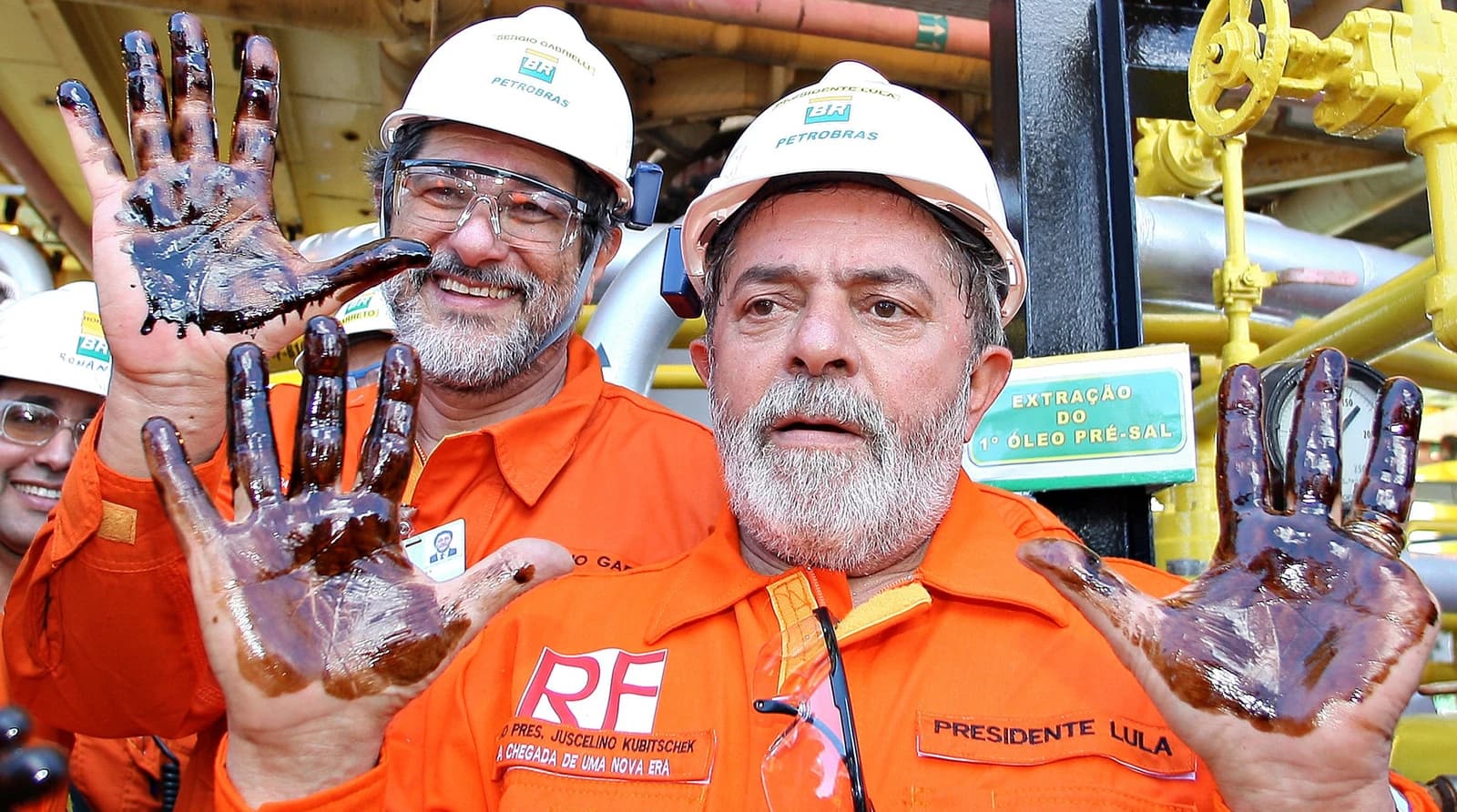
Petrobras’s offshore hunt near Brazil’s Amazon frontier is turning Oiapoque into a test case for whether oil wealth can lift one of the country’s poorest regions without damaging fragile river and coastal ecosystems.
The state-owned producer found hydrocarbons in its first well 175 kilometers off the coast, igniting expectations of jobs, royalties and a building boom in Amapá state while also intensifying resistance from Indigenous communities and traditional fishermen who fear a spill could spread through waterways with no border controls.
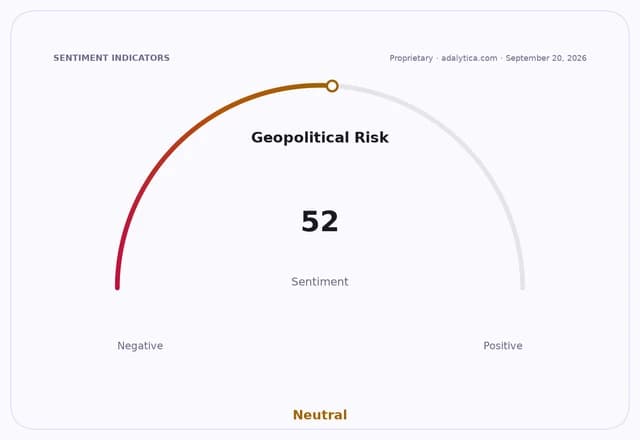
For investors, the project underscores how Petrobras is betting on frontier exploration to replenish reserves and extend its production base, a strategy that can support long-term output but carries high regulatory, environmental and reputational risk. Shares in Petrobras have climbed sharply in recent months, with the stock closing at 20.80 on Sept. 18 after a run that pushed it well above its 50-day moving average, even as its relative strength index stayed elevated at 68.3, a sign the market has already priced in much of the optimism.
The stakes go beyond one coastal well. Petrobras chief Magda Chambriard said production should not begin for six or seven years, but the prospect has already started reshaping Oiapoque, a remote border town of about 28,000 people where local officials say population inflows are accelerating and property speculation is forcing residents toward improvised neighborhoods.
The scale of the economic promise is what makes the gamble politically potent. An industry observatory estimates more than 50,000 jobs could be created in Amapá, while royalties could become a major revenue source for local governments that now rely heavily on federal aid. Mayor Inácio Monteiro Maciel says the city may have to “start from zero” on infrastructure and social policy, highlighting how little capacity exists to absorb a major oil boom.
But the environmental costs could be immediate and irreversible if drilling expands. Indigenous leader Wagner Karipuna and fishermen say any spill would threaten rivers, fishing grounds and local food chains, and Petrobras itself acknowledges offshore exploration is never risk-free even as it says its analysis does not indicate a spill would likely reach the coast.
The broader market backdrop gives the project added significance. Global energy markets remain vulnerable to supply shocks and geopolitics, keeping upstream expansion in focus even as fuel prices have eased. For Petrobras, the Amazon-margin push is both a reserve-replacement play and a political flashpoint as President Luiz Inácio Lula da Silva tries to reconcile resource development with his climate credentials.
The next catalyst is the pace of permitting, appraisal drilling and community opposition. If Petrobras can advance the project, the company could strengthen its long-term reserve outlook and deepen the case for upstream spending; if not, the Amazon frontier may remain more symbol than producer, with the risks falling first on local communities and potentially on Petrobras’s license to operate.
| Entity | Gains | Losses |
|---|---|---|
| Petrobras | ▲Reserve replacement, future output | ▼Environmental backlash |
| Oiapoque officials | ▲Royalties, jobs, investment | ▼Infrastructure strain |
| Local residents/fishermen | ▲Some service demand | ▼Spill and cost-of-living risk |
| Indigenous communities | ▲None | ▼Ecosystem and livelihood pressure |