Philippines Accuses China Coast Guard of Ramming Ship
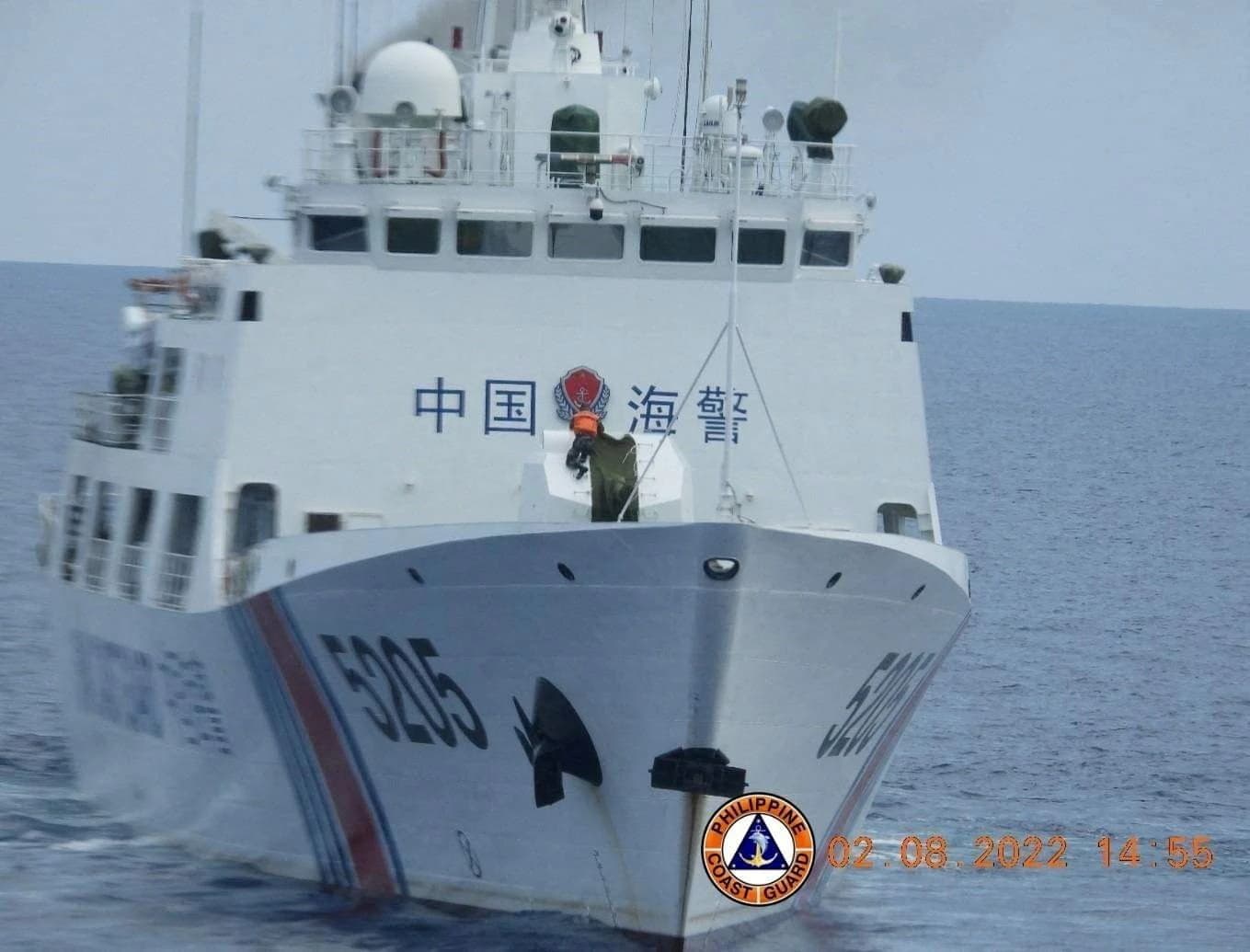
The Philippines accused a China Coast Guard ship of twice ramming a government vessel near the disputed South China Sea, a clash that underscores the risk of a broader maritime confrontation in one of Asia’s most strategically important waterways.
The incident matters economically because the South China Sea carries about $3 trillion in annual trade and sits at the center of shipping lanes used by oil, fuel, manufactured goods and food supplies. Any escalation that disrupts access or raises insurance and security costs can ripple through regional supply chains and commodity markets.
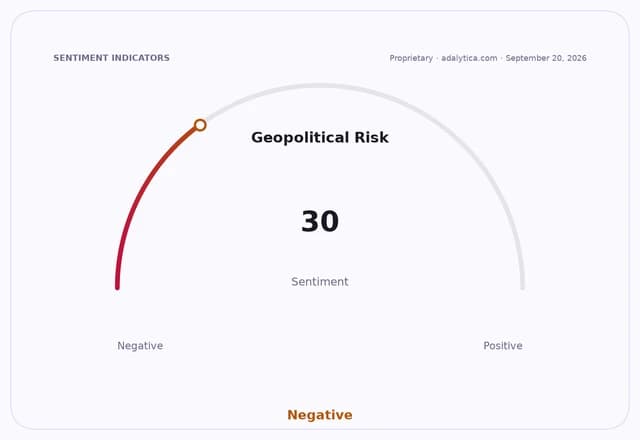
For investors, the immediate impact is not on direct earnings but on risk pricing across Asia. Higher geopolitical tension tends to support defense spending, lift demand for risk hedges and add pressure to transport and shipping names exposed to the route, while also complicating sentiment toward Chinese and Philippine assets.
The episode also keeps attention on China’s efforts to assert maritime control and on the Philippines’ reliance on U.S. security backing. Beijing and Manila have repeatedly clashed over reefs, shoals and resupply missions, and each new collision raises the odds of miscalculation.
Adalytica’s Global Stability Sentiment remains in Fear territory at 30, indicating that the market backdrop is already fragile even before any further escalation. China policy sentiment is Neutral at 48, suggesting investors are not yet pricing a major shift in Beijing’s posture, but they are clearly alert to the risk of a sharper response.
Shipping-linked stocks such as ZIM and GOGL are trading near the upper end of their recent ranges, with ZIM at $30.10 and GOGL at $24.43, so any prolonged disruption in Asian routes could extend volatility in freight and tanker names. The next catalyst is whether either side follows the accusation with a formal diplomatic protest, a coast guard deployment or a de-escalatory statement.
| Entity | Gains | Losses |
|---|---|---|
| Philippines | ▲Diplomatic backing | ▼Maritime security |
| China | ▲Assertive posture | ▼Regional trust |
| Shipping insurers | ▲Higher premiums | ▼Greater claim risk |
| Freight carriers | ▲Route rerouting demand | ▼South China Sea exposure |