Philippines, China Clash at Seoul Defense Forum
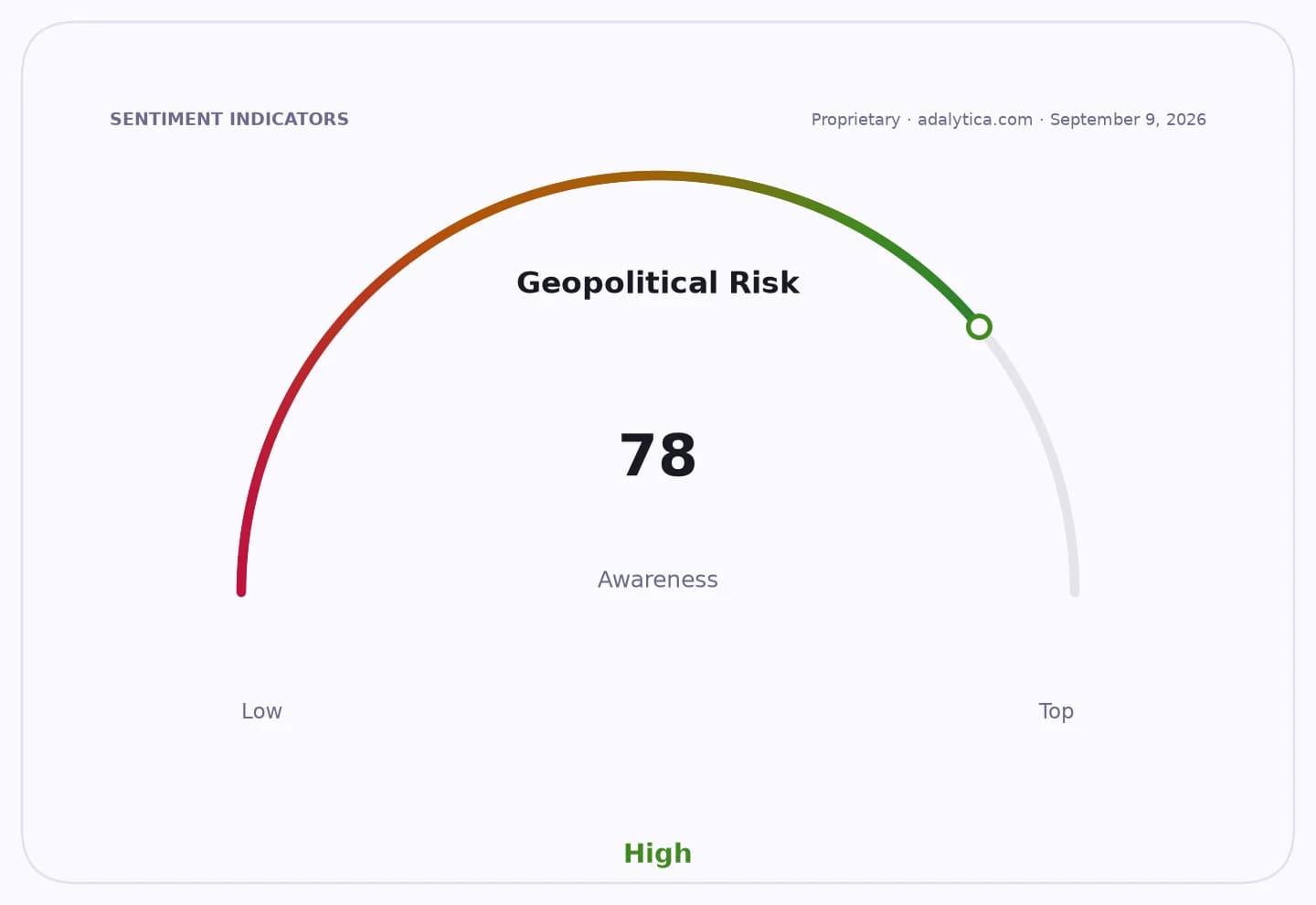
Philippine Defense Secretary Gilberto Teodoro turned a regional security forum in Seoul into a public confrontation with China after an embassy note disputing the 2016 South China Sea arbitration ruling was passed to him on stage, underscoring how little room remains for compromise in the maritime dispute.
The exchange matters because the 2016 Permanent Court of Arbitration decision remains the legal backbone of Manila’s claims in waters inside its 200-nautical-mile exclusive economic zone, while Beijing continues to reject the ruling and enforce its own claims through coast guard and naval presence. That keeps the South China Sea a live geopolitical risk for Southeast Asia, trade routes and defense planning across the region.
Teodoro read the note aloud and mocked Beijing’s position, saying China was effectively arguing that UNCLOS violates international law and that it had lost the case. He called China’s stance “desperate and ineffective” and accused it of “coercion, bullying and aggression,” drawing applause from the audience at the Seoul Defense Dialogue.
According to multiple sources, the note came from the office of China’s defense attaché in Seoul and was handed to event staff before being passed to Teodoro, exposing the dispute in a multilateral setting and raising questions about protocol at the forum. The Philippine and Chinese governments have clashed repeatedly over South China Sea issues at international gatherings, and Manila has increasingly used legal and diplomatic venues to reinforce the tribunal ruling.
For investors, the episode is another reminder that tensions between the Philippines and China are not easing and can flare quickly at public forums as well as at sea. That keeps a geopolitical premium in place for regional defense names, shipping routes and Asia-focused risk assets, while leaving the outlook for diplomatic de-escalation limited ahead of any new bilateral talks or maritime incidents.
| Entity | Gains | Losses |
|---|---|---|
| Philippines | ▲Reinforced legal claim | ▼Higher friction with China |
| China | ▲Defends territorial stance | ▼Public diplomatic setback |
| Regional defense contractors | ▲Elevated security demand | ▼Policy uncertainty |
| Asia shipping lanes | ▲More security focus | ▼Greater disruption risk |