Philippines-China South China Sea Tensions Rise
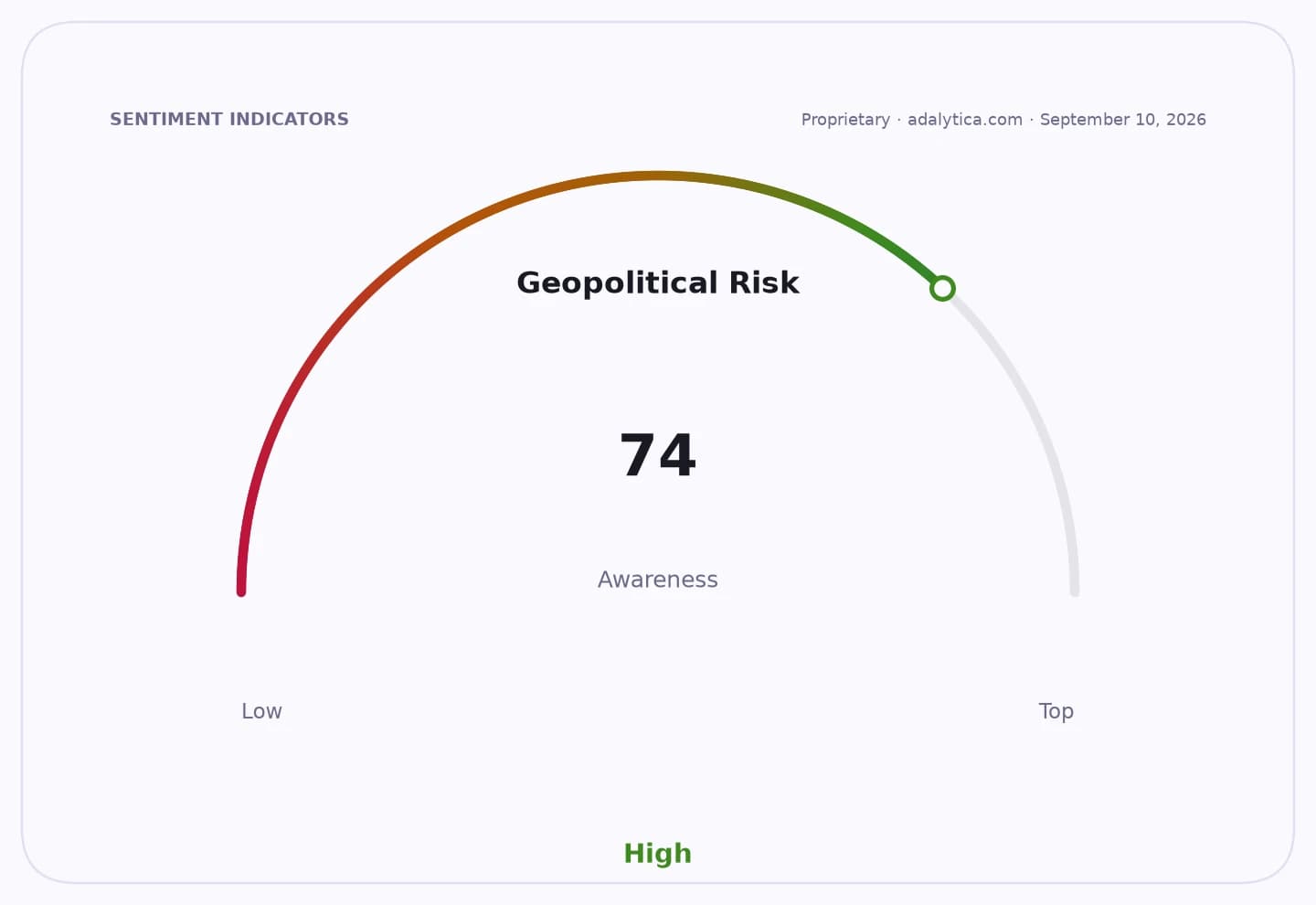
The Philippines is sharpening its stance against China in the South China Sea, a shift that raises the risk of more maritime confrontation, fresh diplomatic retaliation and renewed pressure on regional markets tied to trade and shipping lanes.
Defense Secretary Gilberto Teodoro’s hard-edged response to Beijing underscores how far Manila is willing to go to contest Chinese claims at a time when the waterway remains one of Asia’s most dangerous flashpoints. The dispute matters economically because the South China Sea handles about a third of global maritime trade, and any escalation can ripple through insurance costs, supply chains and regional risk premiums.
For investors, the immediate read-through is not just geopolitical noise. It is a reminder that Philippine assets, Chinese-linked emerging market exposure and broader Asia risk sentiment can all move on headlines that threaten stability in a sea lane critical to energy flows and manufactured goods.
The backdrop is already tense. China and the Philippines have traded sharp statements in recent days, while Adalytica’s US–China Relations Sentiment gauge sits at 100, or “Extreme Greed,” even as its awareness reading shows “Extreme Fear,” suggesting investors are highly focused on the confrontation but still underpricing its broader spillover risk.
Exchange-traded funds tracking China and the Philippines have so far absorbed the news without panic, but the technical picture shows fragility. The iShares MSCI China ETF, FXI, ended most recently at $34.55, below its 50-day moving average of $34.88 and its 200-day average of $36.43, while its RSI fell to 34.1, a level that points to weakening momentum. The iShares MSCI Philippines ETF, EWH, closed at $22.69, near its 50-day and 200-day averages, but volume jumped to 4.9 million shares as traders positioned around the dispute.
The broader emerging-markets complex has held up better, with EEM closing at $68.48, still above both its 50-day average of $65.86 and its 200-day average of $61.61. But the latest readings leave room for a fast reversal if the row over the South China Sea spills into shipping, tourism, investment or military posturing.
The near-term catalyst is whether Manila and Beijing escalate beyond rhetoric into more vessel encounters, sanctions or legal challenges. For investors, the risk is that a local maritime dispute becomes another test of Asia risk appetite just as markets are already sensitive to China, trade and security headlines.
| Entity | Gains | Losses |
|---|---|---|
| Philippines | ▲stronger diplomatic leverage | ▼higher retaliation risk |
| China | ▲none | ▼regional image and stability |
| EWH holders | ▲tactical trading volume | ▼headline volatility |
| FXI holders | ▲none | ▼geopolitical discount |