Philippines Keeps One-China Policy, Expands Taiwan Ties
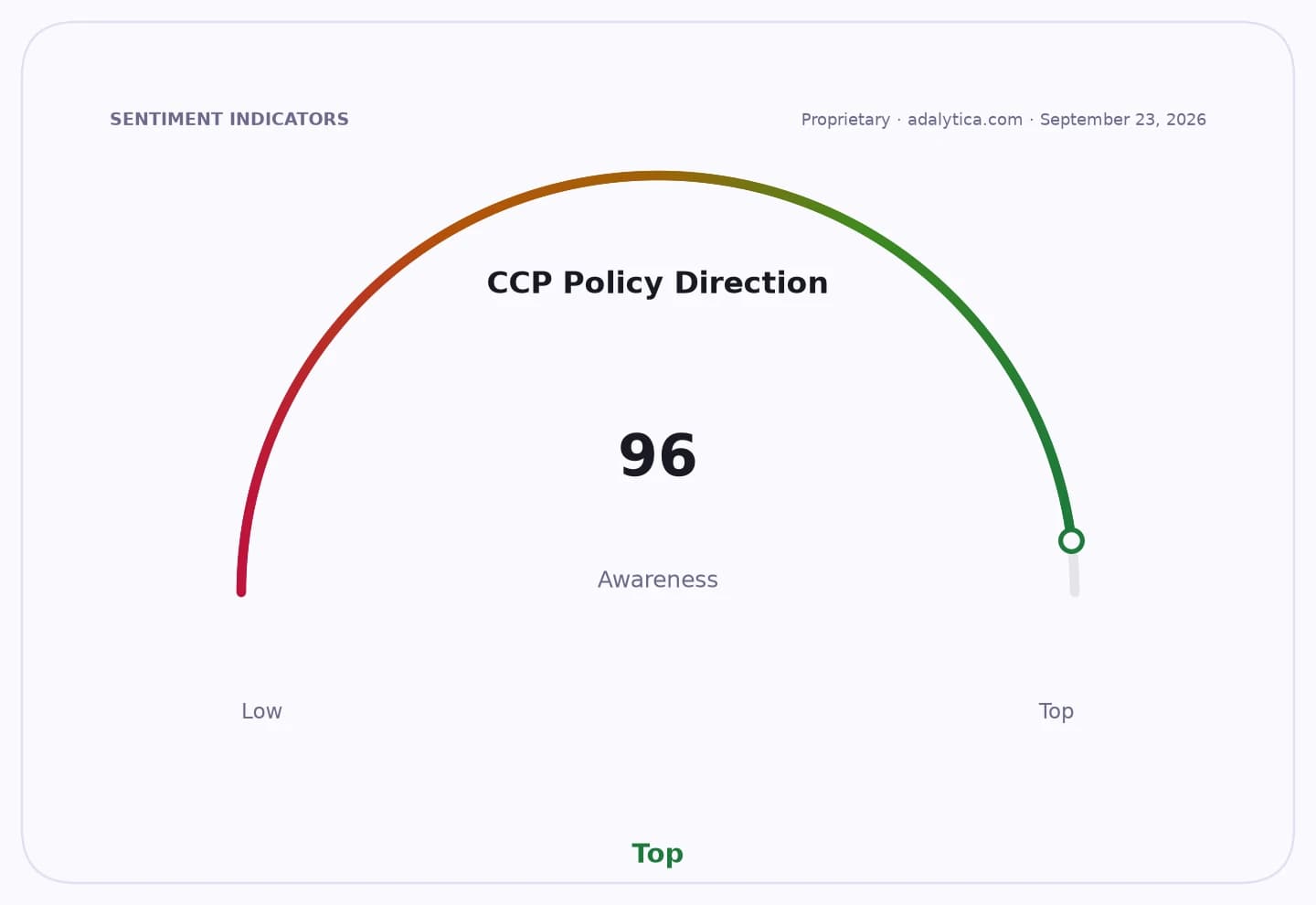
The Philippines is sticking to its “one China” policy, but Manila is also making clear it will not let Beijing dictate how far it can go in building ties with Taiwan. That balance matters because it keeps a major Southeast Asian economy in the middle of the U.S.-China rivalry while preserving room for trade, tourism and supply-chain links with Taiwan, one of Asia’s most important technology hubs.
Manila’s foreign ministry said its one-China policy is “consistent, clear and unchanged,” after Beijing objected to Taiwan’s plan to open a representative office in Cebu. At the same time, the ministry said the policy does not prevent the Philippines from pursuing “economic, cultural and functional cooperation” with Taiwan.
That language is important. It signals that the Philippines is not renouncing its long-standing diplomatic recognition of Beijing, but it is also not retreating from practical engagement with Taipei. For investors, that means the region’s geopolitical risk remains elevated, yet economic links are still being widened rather than shut down.
Taiwan’s foreign minister said last week that work was under way on the Cebu office, which would serve Taiwanese tourists and companies in central Philippines. It would be Taiwan’s second office in the country, after its Manila economic and cultural office in Makati. Taipei has also floated a Taiwan-Philippines economic corridor connected to the Luzon economic corridor, a sign that the relationship is being framed less as a symbolic diplomatic move and more as a supply-chain strategy.
That is where the economic significance lies. The Philippines wants investment, jobs and deeper integration into regional manufacturing and logistics networks. Taiwan wants to diversify supply chains and extend the reach of its companies beyond the island as cross-strait tensions linger. A closer working relationship gives both sides a way to capture those benefits without formally altering diplomatic recognition.
China’s reaction was predictable: Beijing urged Manila to adhere to the one-China principle and avoid steps that could hurt bilateral ties. But Philippine Defense Secretary Gilberto Teodoro said it is Manila, not Beijing, that decides how the policy is implemented. That assertion matters because it underlines a broader theme in Asia: countries want the economic upside of China ties without surrendering strategic autonomy.
For investors, the story is less about an immediate market shock than about the slow hardening of a long-term pattern. The Philippines is trying to keep access to Chinese trade and avoid a full diplomatic rupture, while still deepening links with Taiwan, whose semiconductor and industrial ecosystem remains central to global supply chains. Any move that supports cross-border business flows, tourism or logistics can ultimately be constructive for regional growth, even if it adds periodic political friction.
The market reaction should stay focused on sectors exposed to Taiwan supply chains, Southeast Asian trade routes and regional risk sentiment. Over time, the winners are likely to be companies and economies that can benefit from diversification rather than forced alignment. The losers are those betting on cleaner geopolitical lines than Asia is likely to deliver.
| Entity | Gains | Losses |
|---|---|---|
| Philippines | ▲Trade and investment flexibility | ▼Diplomatic pressure from Beijing |
| Taiwan | ▲New business and logistics access | ▼Limits on formal recognition |
| China | ▲Upholding one-China pressure campaign | ▼Influence in Manila |
| Regional investors | ▲Supply-chain diversification | ▼Higher policy uncertainty |