PKP Intercity Plans PLN 28 Billion Fleet Overhaul
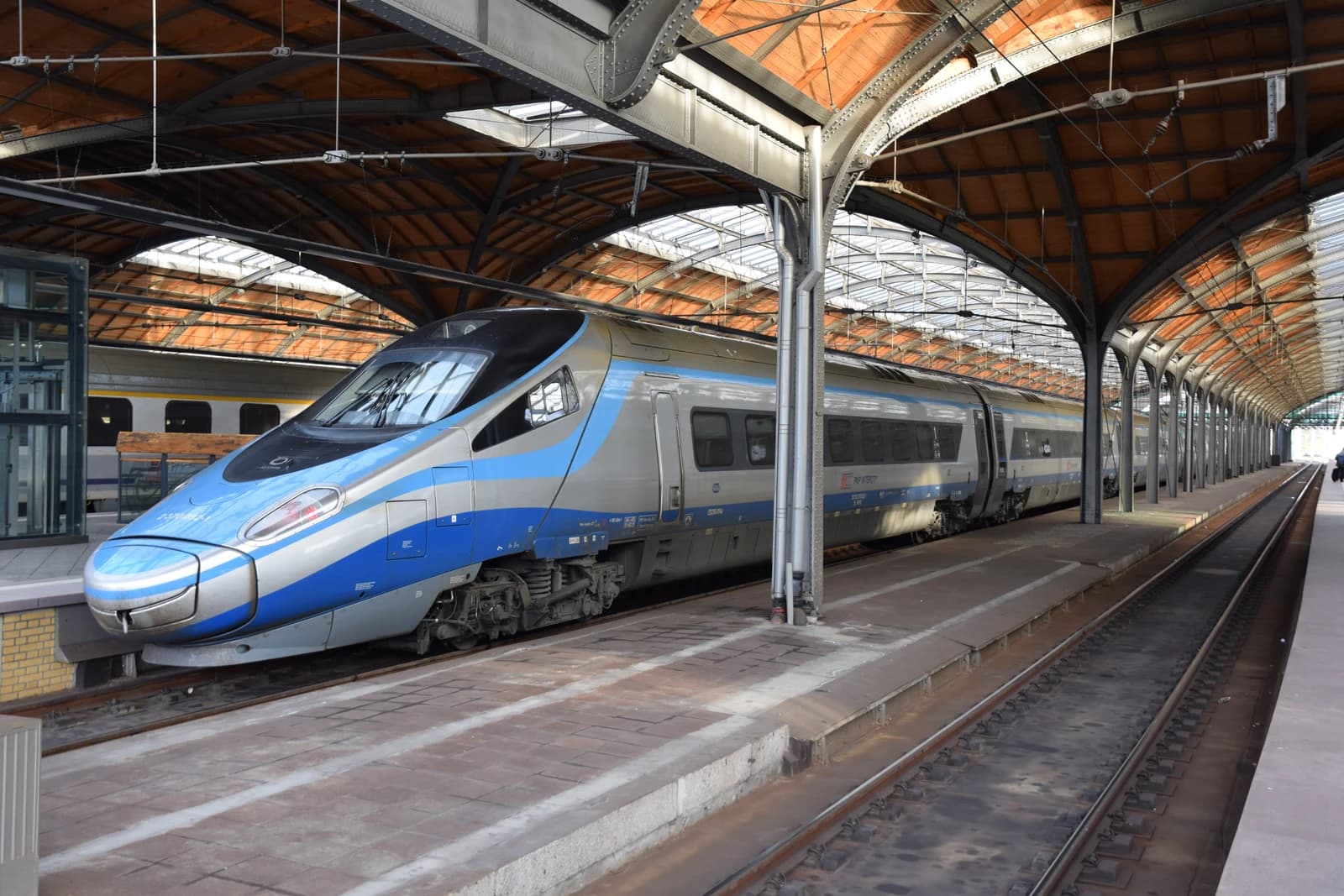
PKP Intercity is moving into its biggest fleet overhaul in years, committing almost PLN 28 billion by 2030 to add high-capacity trains, faster rolling stock and a wider international network as Poland’s state-backed operator prepares for a surge in demand.
The investment matters because it is not just a renewal programme: it is a capacity build-out aimed at changing how much traffic the carrier can carry on domestic and cross-border routes. Chief executive Janusz Malinowski said more than PLN 20 billion of the plan has already been contracted, reducing execution risk and signalling that the company is ready to turn demand growth into a long-term asset base rather than rely on incremental repairs and short-term leasing.
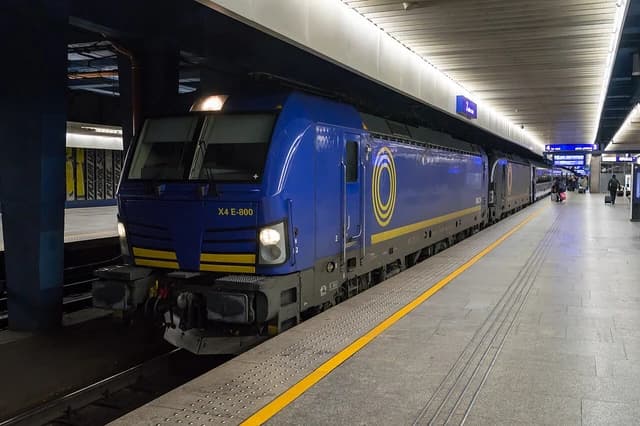
The most immediate impact will come from added seats. PKP Intercity has ordered 42 double-decker trains, with an option for 30 more and maintenance over 30 years, and says the new sets could provide capacity equal to roughly one-third of its current potential. That is economically relevant because passenger volumes are rising sharply: in the first half of 2026, the carrier handled 45% more passengers than in the same period in 2023. For a rail operator, sustained load growth is the key driver of fare revenue, network economics and the case for further investment.
The order book also shows a deliberate shift in the industrial structure of Polish rail procurement. PKP Intercity has contracted 300 wagons, with an option from FPS Cegielski, and 35 hybrid trains from Newag, designed to run on electrified and non-electrified lines. Hybrid stock can help connect smaller cities directly to major urban centres without waiting for full electrification, widening the carrier’s addressable market and supporting regional mobility. Multisystem locomotives capable of 200 km/h are part of the same strategy, allowing the operator to improve intercity frequencies before the full high-speed network is in place.
The most strategically significant piece is the push toward 320 km/h trains, which would put Poland closer to the high-speed standards already used by major European competitors. PKP Intercity plans to begin a competitive dialogue in September with four shortlisted bidders, including a Pesa-Hitachi consortium. The procurement could take about a year, and the timing of deployment will depend on infrastructure delivery, but the direction is clear: the operator wants trains that can support a faster national backbone and eventually reshape route planning around Warsaw, Wrocław, Poznań and the German border.
That is where the investment becomes more than a rail story and starts to matter for investors and the wider economy. Faster, denser and more reliable rail links can pull more travellers away from roads and short-haul flights, lift productivity through better labour mobility, and strengthen demand for domestic rolling stock makers, maintenance providers and systems suppliers. For the state, the project is also a signal that transport modernisation remains a priority despite budget pressure elsewhere.
The upside case is straightforward: if infrastructure catches up, PKP Intercity gets a bigger, faster network with more seats, better utilization and stronger cross-border relevance. The bear case is execution — delays in track upgrades, depot build-out, procurement timelines or financing discipline could leave the operator with expensive assets that arrive before the network is ready to use them efficiently.
For now, the clearest message from Karpacz is that PKP Intercity is betting that Poland’s rail market will keep growing fast enough to justify a near-PLN 28 billion transformation, and that the next competitive battleground will be speed, frequency and reach rather than just basic connectivity.
| Entity | Gains | Losses |
|---|---|---|
| PKP Intercity | ▲Bigger capacity and network reach | ▼Higher execution risk |
| Polish rail passengers | ▲More seats and faster travel | ▼Disruption during rollout |
| Domestic suppliers | ▲Large rolling-stock orders | ▼Pressure to deliver on time |
| Road and short-haul air travel | ▲ | ▼Potential modal-share loss |