Platinum ETFs Face Russia Asset Sale Risk
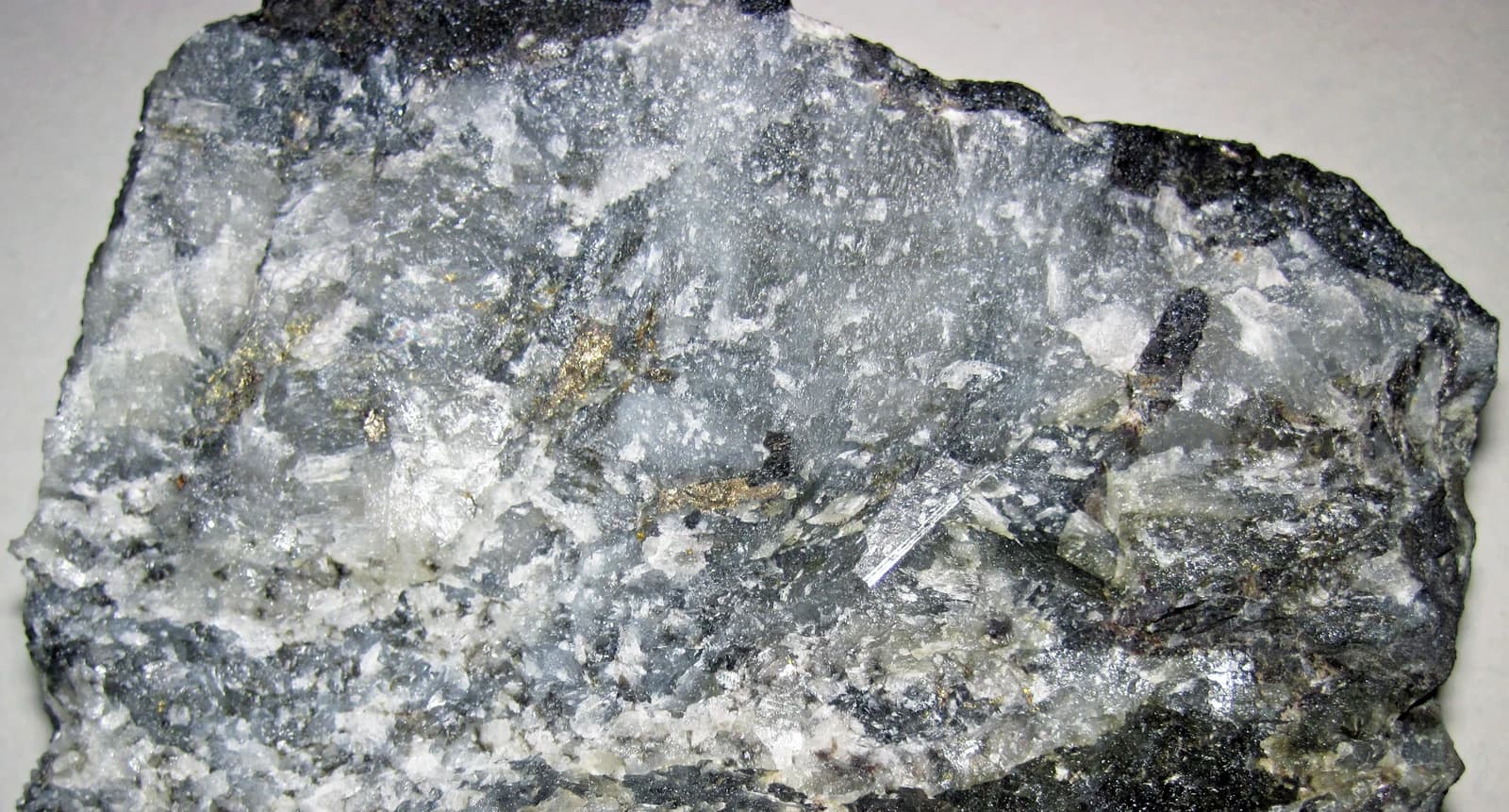
Russia’s grip on platinum-group metals remains the central market risk, with investors now looking past current scarcity toward the prospect that sanctions pressure could eventually force discounted asset sales and reshape supply for years.
That matters because Russia is one of the most important sources of platinum and palladium, and any disposal of Russian-owned mining assets to fund the war in Ukraine could tighten the link between geopolitics and PGM pricing. Stillwater, the U.S. miner best known for its platinum and palladium exposure, is Russian-owned, putting the asset squarely inside that strategic overhang and making it a candidate for a distressed sale if Moscow needs liquidity.

The market is already behaving as if supply is fragile. SPPP, which gives investors exposure to platinum and palladium, has been volatile but resilient, closing at $14.65 on Aug. 26 after earlier trading as high as $21.11 in late January. The fund’s 50-day moving average sits above the latest price, while the 200-day average at $15.60 suggests the fund is still trading below a longer-term trend line. Technical readings are mixed: RSI has cooled to 59 from overheated levels above 90 earlier in the year, and MACD has stayed positive, pointing to underlying support even after a sharp pullback.
The same dynamic is visible in the metal funds themselves. PPLT, the platinum ETF, fell to $16.61 on Aug. 26 from $24.52 in late January, while PALL, the palladium ETF, slipped to $23.99 from an early-year peak above $35. That suggests the market is still digesting a strong supply narrative rather than a clean demand story: investors are paying for geopolitical optionality, but not yet pricing a sustained industrial boom.
A new wild card is Zimbabwe, where Karo Platinum has secured a 25-year special mining lease valued at $240 million, with first production expected in 2027. The project does not offset Russia’s dominance immediately, but it adds a longer-dated source of supply in a market where few large, low-cost projects are moving quickly to production. That makes the medium-term case for platinum less one-way than the bullish thesis implies.
For investors, the setup is straightforward: the bullish case rests on constrained supply, Russian asset pressure and eventual substitution or policy-driven demand for PGMs in emissions-linked applications. The bear case is that new African output, weaker industrial demand and the absence of a near-term supply shock keep prices range-bound, leaving ETF holders exposed to volatility rather than a straight line higher.
For now, the trade is less about current fundamentals than about who controls the assets. If Russia is forced to sell into a weak market, buyers could gain strategic access to scarce platinum reserves at distressed valuations. If sanctions relief, new Zimbabwe production or softer auto demand changes the balance, the upside in platinum and palladium could prove slower and choppier than bulls expect.
| Entity | Gains | Losses |
|---|---|---|
| Russian asset holders | ▲Cash from forced sales | ▼Control of strategic PGMs |
| PGM bulls | ▲Upside from supply stress | ▼Near-term price volatility |
| SPPP holders | ▲Leverage to a squeeze | ▼Exposure to sharp reversals |
| Zimbabwe miners | ▲New long-term investment | ▼Longer lead times before output |