Poland’s air traffic agency is coming under pressure over how it will fund modernization, with the political fallout from the COVID vaccine scandal raising the risk that the operator could run short of money just as Europe’s air-traffic systems need more investment.
Poland Air Traffic Funding Debate Intensifies

The issue matters economically because air traffic control is critical infrastructure: if funding stalls, it can slow upgrades to capacity, safety and digital systems, potentially weighing on flight efficiency and operating costs across Poland’s aviation sector. For airlines, any shortfall in modernization can translate into higher delays, tighter scheduling and weaker service reliability, while for the state it raises the prospect of either absorbing more of the cost or forcing carriers to shoulder it through higher fees.
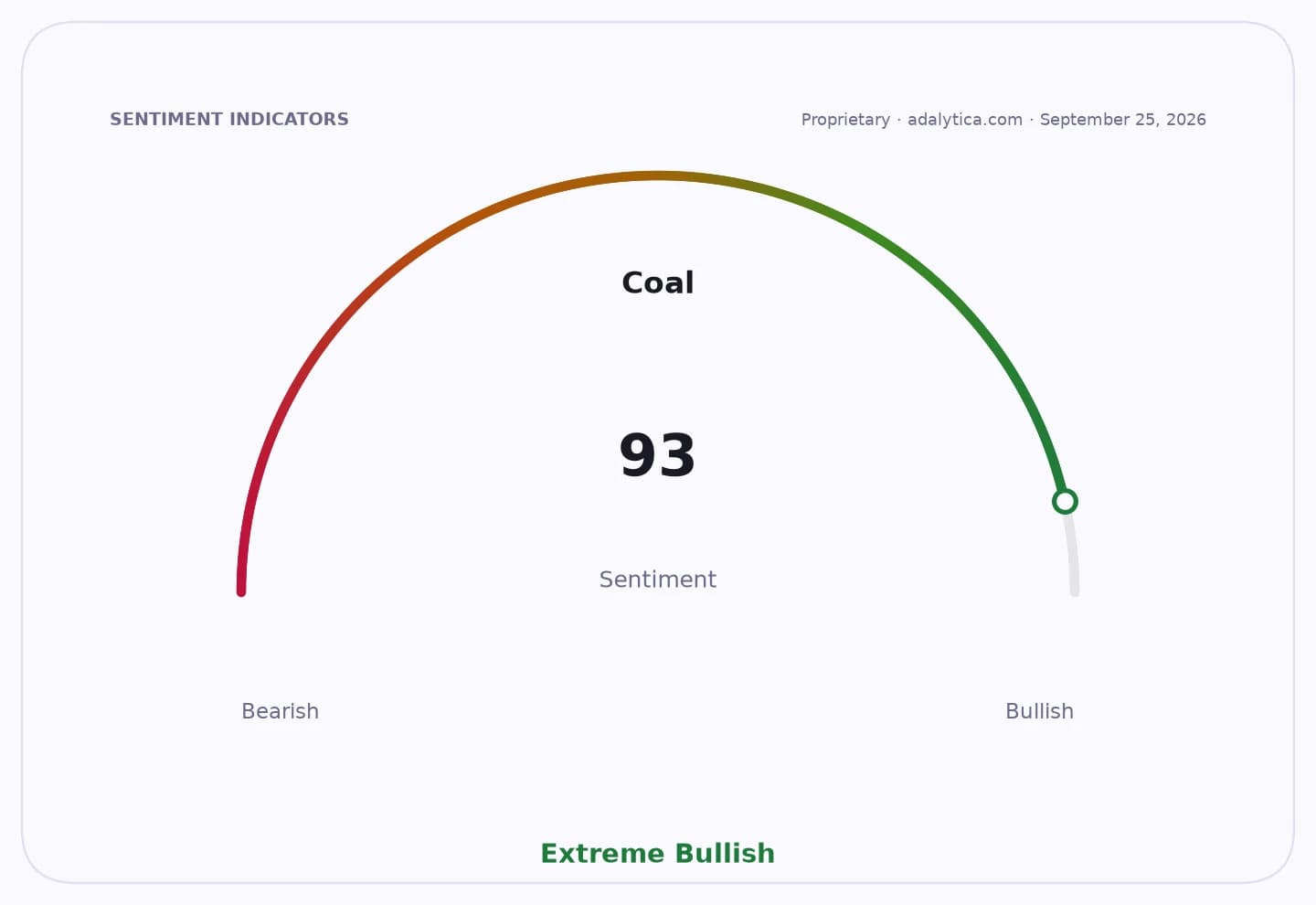
Sentiment IndicatorsⓘProprietary · adalytica.com · July 14, 2026
This is a snapshot — live sentiment, awareness and momentum for 130+ markets update continuously in the dashboard.Open AlphaPulse
The concern echoes Romania’s ROMATSA, where financing and governance pressures have also drawn scrutiny. In Poland, the debate is sharpened by the 5% ticket surcharge currently levied on airlines, a charge critics say is an imperfect way to fund long-term infrastructure because it raises costs for passengers and carriers without guaranteeing a stable investment pool.
An ex-managing director of NAMA has argued for an Aviation Development Fund instead, saying a dedicated vehicle would be a better way to finance air-traffic modernization without burdening taxpayers. That approach would also give investors and operators greater visibility on funding flows, which is important in a sector where capacity planning and capital spending stretch years ahead.
The broader policy backdrop is one of rising sensitivity around public spending and aviation resilience, with governments under pressure to upgrade infrastructure while limiting direct fiscal exposure. For airlines, the key question is whether Poland settles on a predictable, ring-fenced financing model or continues relying on ad hoc charges that can hit demand and complicate cost planning.
Further policy talks are likely to focus on whether the air traffic agency gets a dedicated funding framework before modernization needs intensify, making the next round of government decisions a key catalyst for airlines, airport operators and aviation investors.
| Entity | Gains | Losses |
|---|---|---|
| Air traffic agency | ▲Stable funding model | ▼Financing uncertainty |
| Airlines | ▲Predictable charges | ▼Higher ticket costs |
| Passengers | ▲Better service if upgraded | ▼Extra fees if surcharge stays |
| Government | ▲Political cover via fund | ▼Direct fiscal pressure |