Poland Border Airstrikes Lift Europe Risk Premium
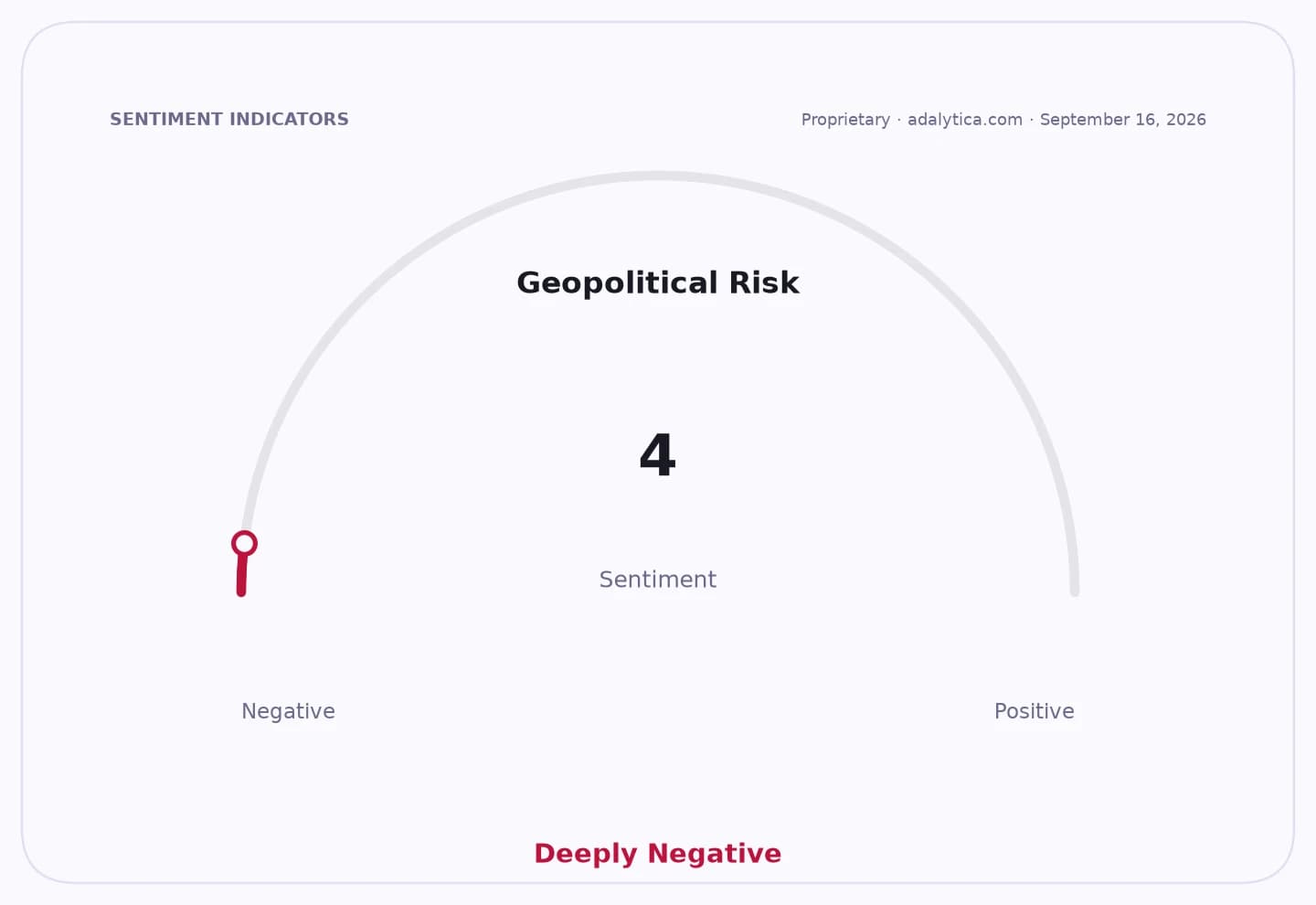
Russian airstrikes near the Ukraine-Poland frontier have jolted markets and governments back onto high alert, with Warsaw warning that Moscow is testing the West’s resolve just two kilometers from the Polish border.
The immediate economic significance is not in direct damage to Poland’s economy, but in the risk premium now being attached to Europe’s eastern flank. A confrontation that stays below the NATO threshold can still lift defense spending, keep energy and shipping costs elevated, and deepen investor caution toward the euro area at a time when growth is already fragile.
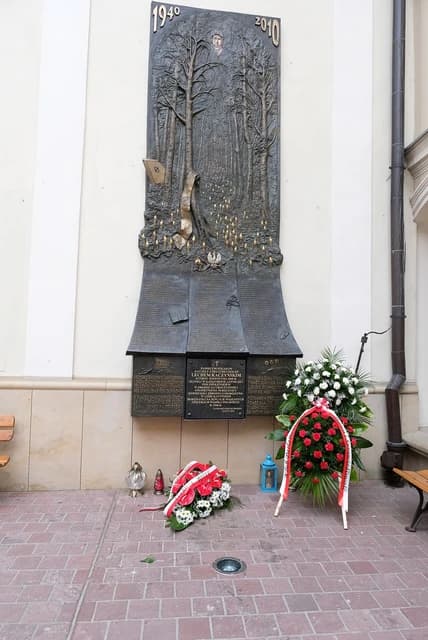
Polish officials said the attacks, including a strike on a train close to the border, were intended to intimidate Europe. The European Union condemned the move, while Ukrainian President Volodymyr Zelensky said Russia was deliberately targeting critical infrastructure near the EU frontier, reinforcing fears that the war is edging closer to NATO territory.
For investors, the bigger issue is tail risk. Each escalation around Poland raises the odds of more sanctions, tighter security measures and fresh pressure on regional assets, even if the baseline case remains no direct NATO-Russia clash. That tends to support defense shares and safe-haven flows while weighing on euro-sensitive stocks and risk appetite more broadly.
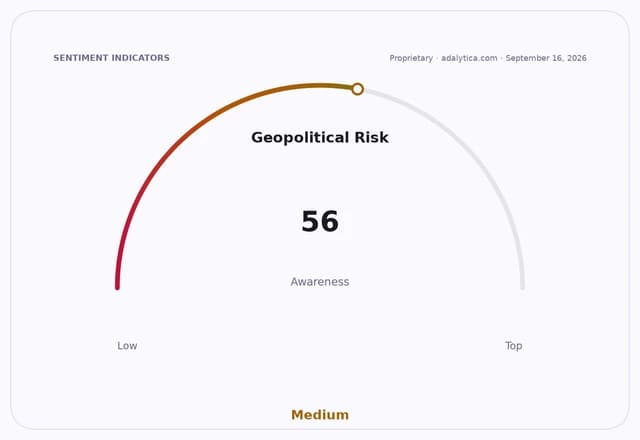
The backdrop is already one of extreme geopolitical stress. Adalytica’s Global Stability Sentiment gauge is in “Extreme Fear” at 4.0, while its euro trade signals also sit in “Extreme Fear,” underscoring how quickly sentiment has deteriorated as the conflict presses closer to EU borders.
European markets have so far held up better than the headlines might suggest, but the pressure points are clear. The iShares MSCI Germany ETF, or EWG, is trading at $42.71, above its 200-day moving average of $41.76 but just below its 50-day average of $42.92, while the iShares MSCI Italy ETF, EWI, closed at $60.91 and remains above both long-term and short-term trend markers, suggesting investors are still differentiating between broad regional risk and a full-blown panic.
The next test is whether Poland and its allies respond with tougher sanctions, more air-defense posture and sharper civil-defense measures, or whether Moscow follows up with another strike close to the border and keeps the threat premium elevated.
| Entity | Gains | Losses |
|---|---|---|
| NATO defense contractors | ▲Higher spending outlook | ▼If tensions ease |
| Poland and Baltic allies | ▲Stronger security backing | ▼Higher border risk |
| Russia | ▲Tactical pressure on Ukraine | ▼More sanctions and isolation |
| Euro-area risk assets | ▲No immediate direct hit | ▼Higher geopolitical discount |