Poland Extends Germany and Lithuania Border Controls
Poland has extended border controls with Germany and Lithuania, a move that underscores how migration, security and free movement remain in tension across the Schengen area.
For investors, the significance is less about the checkpoints themselves than about what they say about Europe’s political backdrop. When governments reintroduce or prolong controls inside the passport-free zone, it is usually a sign that domestic pressure is high and cooperation across the bloc is getting harder. That can weigh on confidence in the region at the margin, especially for businesses that depend on frictionless trucking, labor movement and cross-border trade.
The timing matters because Europe is already wrestling with slower growth, uneven consumer demand and renewed debate over fiscal and border policy. Poland’s decision suggests that migration enforcement is still a live political issue and that security concerns remain powerful enough to justify restraints on one of the continent’s defining economic freedoms.
Markets are unlikely to price this as a major standalone shock, but persistent border friction can add small costs that become meaningful over time. Delays at crossings can disrupt logistics routes, raise transport expenses and complicate supply chains for manufacturers and retailers that operate across Central Europe. It also raises the broader question of whether more EU members follow with their own controls, which would chip away at one of the bloc’s most investor-friendly features.
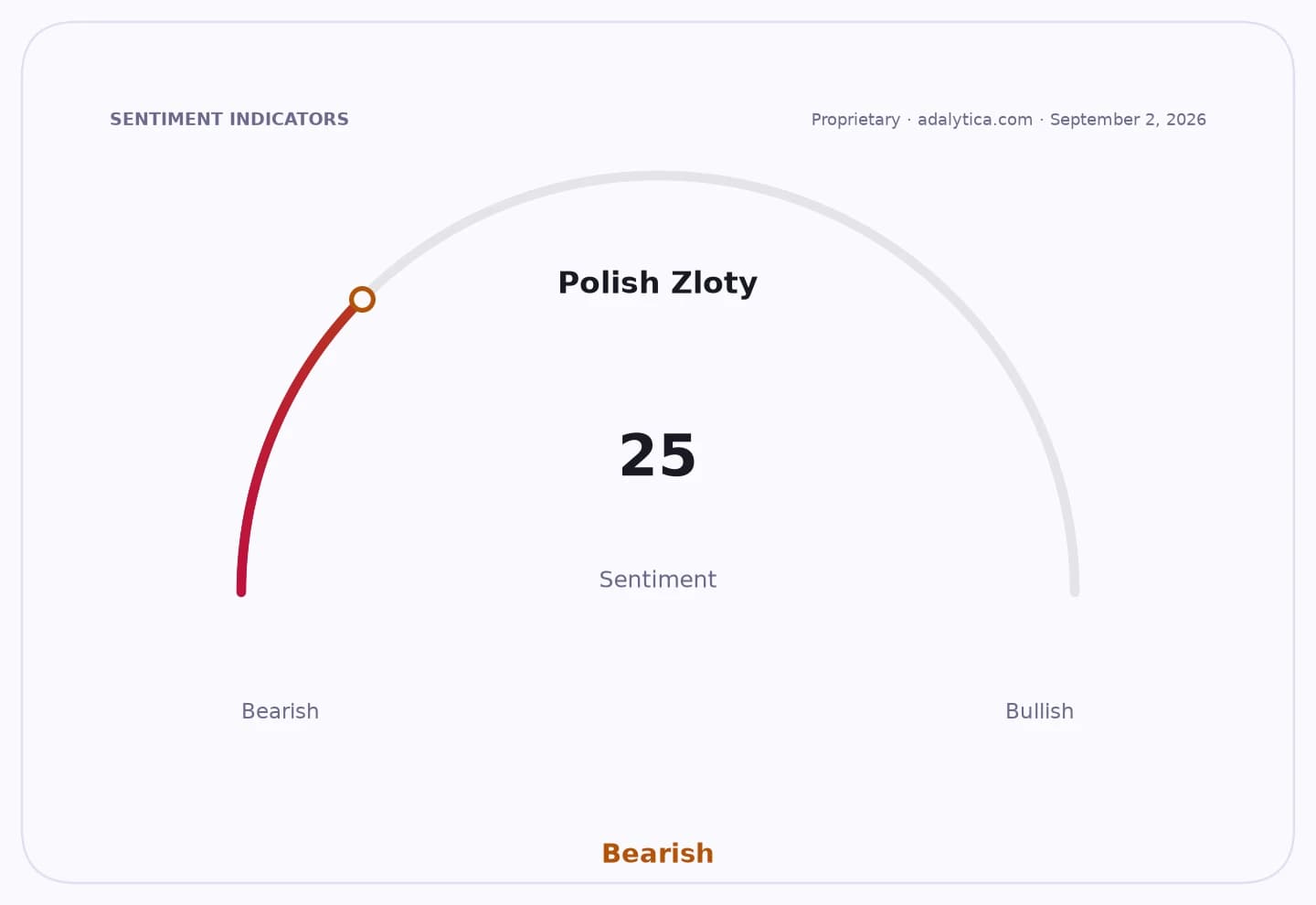
That is why foreign exchange and European sovereign debt watchers should pay attention even if the immediate market reaction is muted. The euro has been trading without a clear conviction signal, while sentiment around Poland’s zloty has slipped sharply in Adalytica’s trade-signal snapshot, reflecting a more cautious tone around the currency. EU fiscal debate is also still unsettled, which means politics can easily spill into asset prices when growth is already fragile.
For long-term investors, the bigger takeaway is that Europe’s integration story still has stop-start moments. Border controls do not automatically change the investment case for the region, but they do remind you that political risk can reassert itself quickly and affect everything from transport stocks to exporters to currency-sensitive multinationals.
In the years ahead, the key question is whether temporary security measures stay temporary or become part of a more permanent normalization of internal controls. If they do, the cost will be felt not just by travelers, but by the businesses and investors who depend on a seamless European market.
| Entity | Gains | Losses |
|---|---|---|
| Poland | ▲Political control | ▼Cross-border commerce |
| Border security forces | ▲More authority | ▼Less open flow |
| Local exporters/importers | ▲Short-term clarity | ▼Higher logistics costs |
| EU single-market ideal | ▲— | ▼Free-movement credibility |