Poland Central Bank Warns Inflation Could Top Target
Poland’s central bank is signaling that the inflation fight is not over, and that matters because any renewed price pressure could keep interest rates higher for longer even after policymakers left borrowing costs unchanged this week.
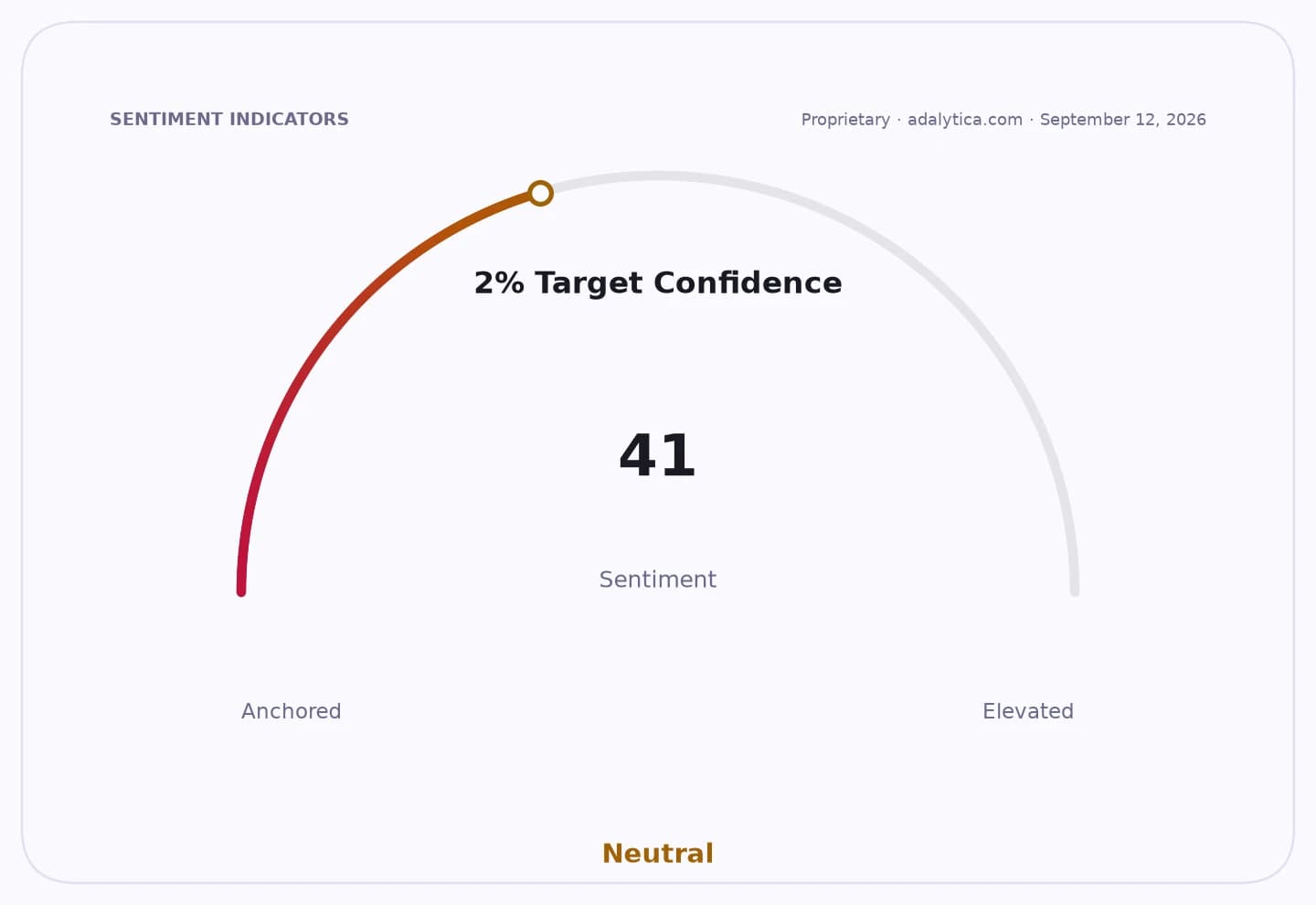
National Bank of Poland President Adam Glapiński said on Thursday there is a risk inflation will exceed the bank’s 2.5% target plus-or-minus 1 percentage point band in the coming months, with August inflation at 3.4% already close to the upper limit of 3.5%. He blamed the recent pickup largely on fuel and energy, calling it an external shock, and said the outlook remains highly uncertain because commodity prices will be the key driver in the next quarters.
That warning arrives at an awkward moment for the Polish economy. GDP grew 3.9% in the second quarter, a pace that supports corporate activity and household incomes, but also adds demand-side pressure that can feed through into prices. At the same time, Glapiński said consumer growth has clearly slowed, suggesting the balance between stronger activity and softer consumption is becoming more fragile. For the central bank, that mix argues against any rush to ease policy.
The RPP kept the benchmark rate at 3.75% after its two-day meeting, and Glapiński’s remarks suggest the bar for cuts remains high if inflation drifts above target again. The market will read that as a confirmation that real rates are likely to stay restrictive longer, which is supportive for the zloty but a headwind for rate-sensitive sectors such as housing, utilities and leveraged domestic borrowers.
Investors should also pay attention to the second-order effects. If energy prices keep driving the inflation print, Polish bonds may remain vulnerable to repricing as traders push back expectations for easing. That helps explain why inflation-protection themes are regaining attention across Europe: the problem is not just Poland’s CPI number, but the risk that imported commodity shocks force central banks to keep policy tight even when growth looks solid.
The message from Warsaw is straightforward: Poland is not in a crisis, but it is back in the zone where inflation can surprise to the upside and shape markets. For investors, that means staying selective on domestic cyclicals, favoring exporters and businesses with pricing power, and respecting the possibility that the next move in rates is still a long way off.
| Entity | Gains | Losses |
|---|---|---|
| NBP / zloty | ▲Credibility, tighter policy bias | ▼Pressure to cut rates |
| Polish exporters | ▲Stronger currency stability | ▼Higher borrowing costs |
| Domestic borrowers | ▲— | ▼Restrictive credit conditions |
| Energy producers | ▲Higher price pass-through | ▼Rate-sensitive consumers |