Poland central bank pressure builds after rate cut
Poland’s central bank is under growing pressure to reverse course after cutting interest rates into an accelerating inflation cycle, a move that is already weakening the zloty and pushing market pricing toward higher borrowing costs over the next year.
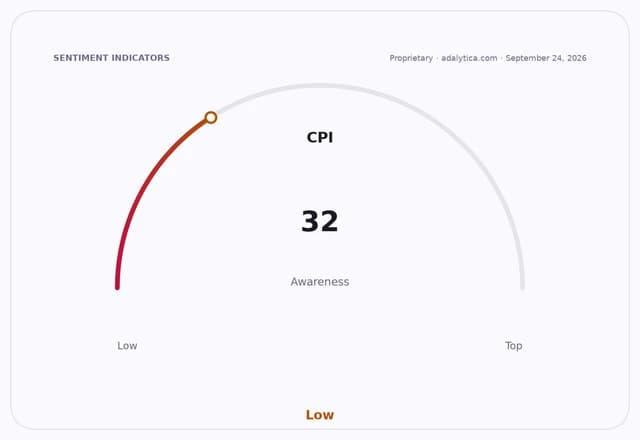
The key issue for investors is not just whether the Monetary Policy Council was too early in March, but whether it is now behind the curve. Inflation in Poland has climbed back from 2.1% in January and February to 3.0% in March, 3.2% in April, 3.0% in July and 3.4% in August, with September expected to print close to 4%. That would put real rates back into negative territory for the first time in nearly three years, undermining the case for further easing and raising the risk that policy will eventually have to move higher rather than lower.

That matters economically because Poland is entering a more inflationary phase at the same time as growth is still firm and fuel-price shocks are feeding through to services and other second-round effects. The March cut, made without an updated inflation forecast and amid a major oil shock, looks increasingly like a policy mistake if price pressures prove sticky. Core inflation momentum has also accelerated to its highest level since mid-2024, according to PKO BP economists, even if much of the rise still traces back to fuel-related categories such as tourism rather than a broad-based surge. The bank’s own framework now looks loose: a Taylor-rule estimate cited in the data points to a reference rate of 5.45%, well above the current setting and even above market pricing.
For bond and currency investors, the signal is blunt. Polish two-year government bond yields are around 4.65%, roughly 100 basis points above the policy rate, while FRA contracts are pricing a move in short-term rates toward 4.50% over the next two to three quarters. That suggests markets do not fully believe the central bank can stay put if inflation stays near 4% or higher. The risk is that real yields on cash and deposits erode further, making local fixed income less attractive unless nominal rates rise. That also helps explain why the zloty has come under pressure: easier policy in a high-inflation environment typically narrows the currency’s carry advantage and weakens confidence in the central bank’s reaction function.
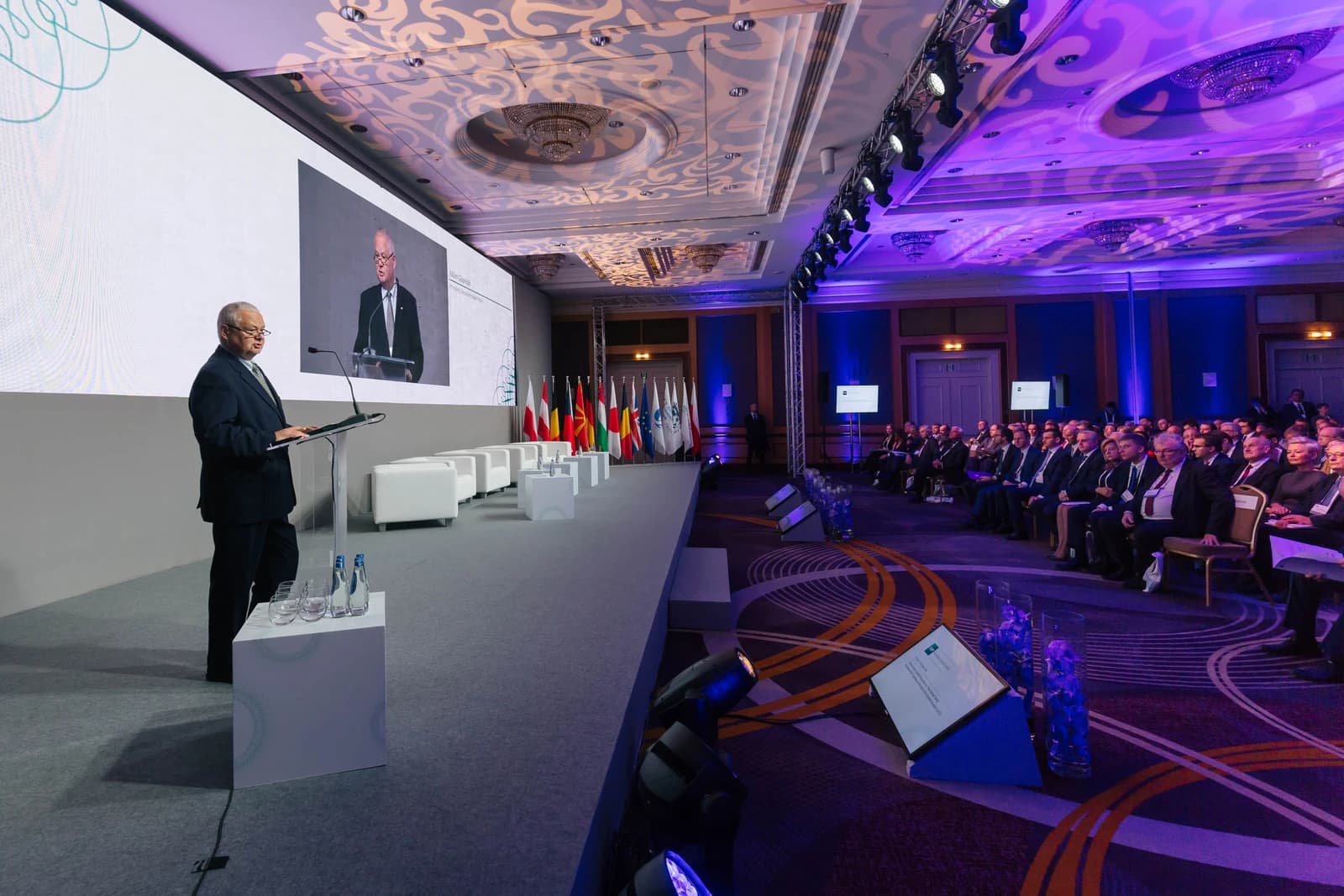
The central bank leadership, however, is signaling the opposite. Governor Adam Glapiński said there would not be any near-term changes in rates, and council member Ireneusz Dąbrowski said the most likely scenario is unchanged policy for one or two quarters, with cuts after early 2027 more likely than hikes. That leaves the council boxed in. Nine of the 10 members backed no change in July, while only Joanna Tyrowicz has continued to push for higher rates. A March cut passed 8-2, meaning any later tightening would amount to an admission that the easing cycle was premature.
The broader narrative is straightforward: Poland’s policy debate has shifted from whether rates are high enough to whether they are now too low. If inflation cools quickly, the market will have overreacted and Polish bonds near 5%-6% yield could offer value. But if price pressures linger toward 5%, then today’s stance risks entrenching negative real rates and forcing a harder adjustment later, with implications for the currency, inflation expectations and duration exposure across Polish assets.
| Entity | Gains | Losses |
|---|---|---|
| Borrowers | ▲Cheaper financing | ▼Future rate shock risk |
| Savers | ▲None if inflation rises | ▼Negative real returns |
| Polish bond bulls | ▲Higher yields if market overprices hikes | ▼Price losses if inflation stays elevated |
| Zloty bears | ▲Easier policy and weak credibility | ▼Potential countertrend if rates rise |