Poland Coal Demand Lifts PGG, Pressures JSW
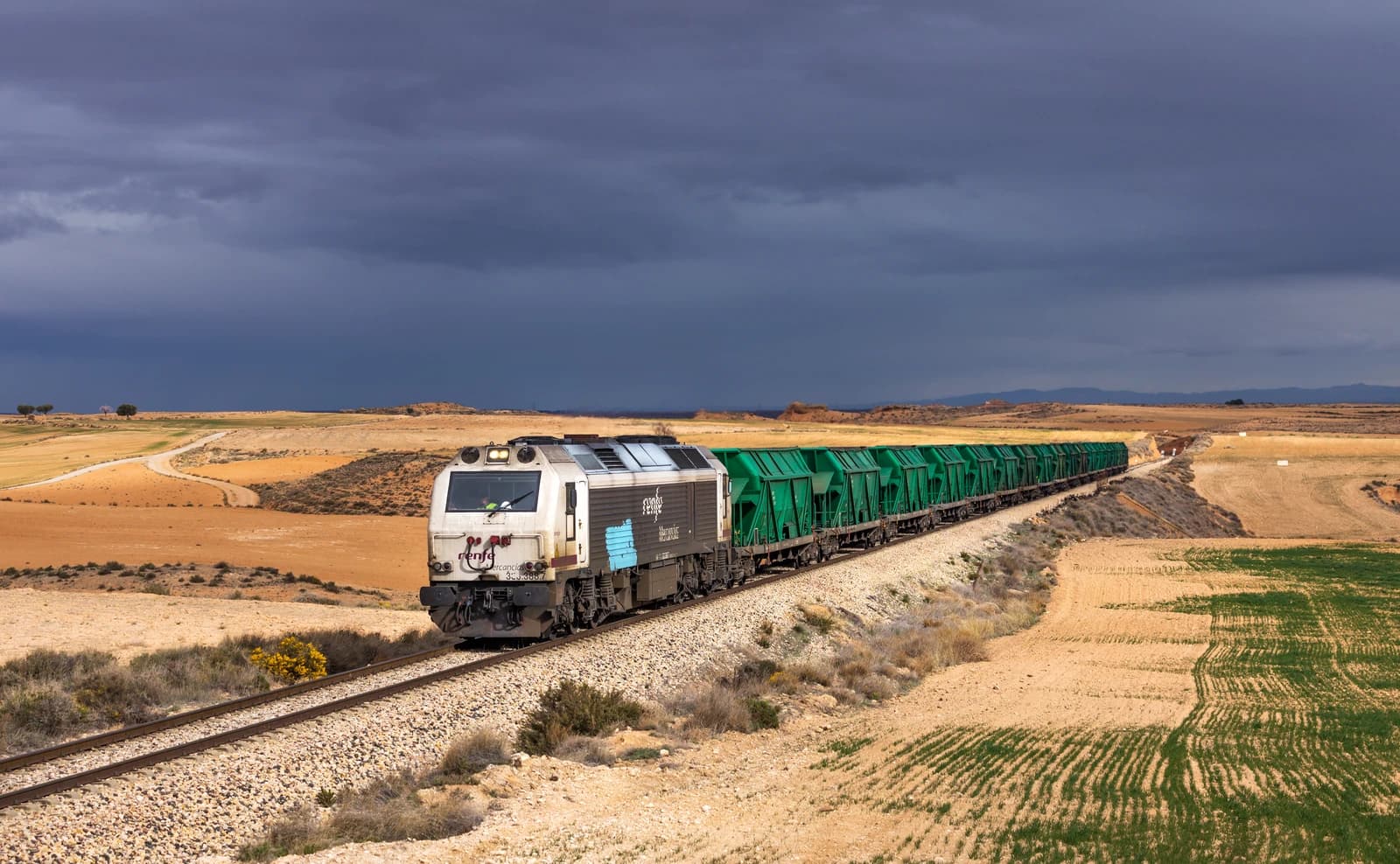
Coal is back in the conversation because power plants need more of it than expected, and that matters for investors far beyond a single season. For Poland’s miners, the surprise demand is improving sales, lifting output and, in some cases, buying time for companies that were supposed to be in a slower decline.
The most important development is that electricity generators are pulling more coal from domestic mines just as the sector was bracing for less. At a mining forum in Katowice, Poland’s top officials and miners said this year’s coal component in the power mix is turning out to be larger than expected. That is not a structural reversal of the energy transition, but it does mean coal remains a stabilizer when power systems are under pressure.
For Polish Coal Group, or PGG, the change is already showing up in the numbers. Chief executive Łukasz Deja said the company will mine more than 1 million tons above plan by year-end, and sell almost 3 million tons more than it expected in December. Stocks that had built to more than 2 million tons at the end of last year are now expected to be close to zero by the end of 2026. In a sector where inventory, cash flow and liquidity can turn fast, that is a meaningful swing.
The bigger economic story is not just higher sales, but a more efficient industry footprint. PGG said more than 5,000 workers will have left by year-end, two mines have been closed and output efficiency has improved 10%, while unit costs have fallen 8%. The company says revenue is up by nearly 1.5 billion zlotys this year. For a business long weighed down by overcapacity, that is exactly the kind of hard restructuring that can turn a chronic loss-maker into something closer to self-funding.
The data backing up that shift is significant. Poland’s Industrial Development Agency said labor productivity in mining, measured as tons per employee, has risen for the first time in years to 301.3 tons in the first half from 283.5 tons a year earlier. That kind of improvement matters because coal is still a scale business: even modest gains in productivity can have an outsized effect on margins, financing needs and the pace at which the state has to intervene.
The trouble spot remains Jastrzebska Spolka Weglowa, or JSW, the country’s biggest coking coal producer and one of its most fragile listed groups. Management says the company is still fighting for liquidity and outside funding, and its restructuring plan was introduced because it faced a risk of losing financial stability by the end of the first quarter of 2026. A state restructuring agency has already extended 850 million zlotys of support, with another 1.066 billion zlotys under discussion. A banker at PKO BP said the lender would not back JSW in its current condition, underlining how narrow the financing window remains.
Still, there is a reason some investors may want to keep JSW on the watchlist. Chief executive Bogusław Oleksy said the coking coal and coke market has improved over the past few weeks and could stay stronger for at least a year. If that holds, it would help cash generation in a company that has been operating week to week. For long-term investors, the question is less whether coal will disappear tomorrow and more whether cyclically better pricing can survive long enough to matter for a heavily restructured balance sheet.
There is also a policy angle that could shape the pace of change. Poland’s energy ministry wants a dedicated coordinator for coal mining and power to align fuel demand, domestic output, imports, restructuring and mine closures. Officials say the current setup is too fragmented across ministries. That kind of governance change matters because coal is no longer just a mining story; it sits at the center of energy security, industrial costs and the country’s transition toward nuclear and renewables.
For investors, the takeaway is straightforward. Coal is not back as a long-term growth theme, but it is proving more resilient than many expected, and that resilience can lift cash flows, reduce inventories and improve pricing power for the strongest operators. The winners are the miners able to cut costs and sell into firmer demand; the losers are the laggards that still need state support and may struggle to finance themselves once the current market window closes.
In other words, this is a reminder that even in a shrinking industry, the cycle can create compelling opportunities for patient investors who focus on balance sheets, discipline and dividend capacity rather than headlines. The coal trade is still risky, but the latest data suggest it is worth watching.
| Entity | Gains | Losses |
|---|---|---|
| PGG | ▲Higher sales, lower costs | ▼Legacy overcapacity |
| JSW | ▲Better coking coal prices | ▼Liquidity pressure |
| Power plants | ▲More fuel security | ▼Higher fuel dependence |
| State budget | ▲More stable supply | ▼Ongoing support costs |