Poland Coal Imports Rise Ahead of Winter Shortage Risk
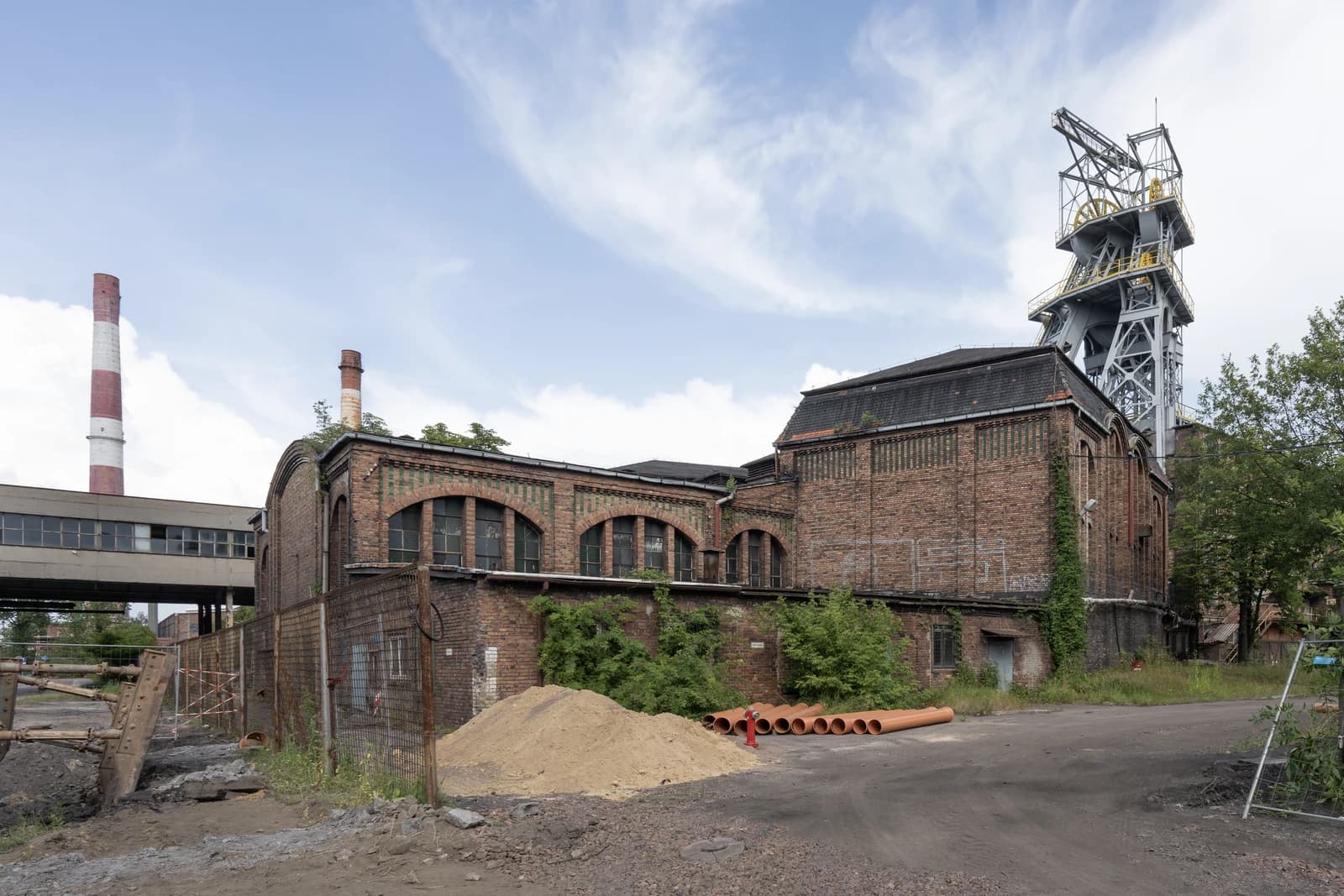
Poland may not have enough coal to get through a severe winter as stronger heating demand, tighter domestic supplies and a sharp rise in imports leave the market exposed to any prolonged cold snap.
The warning matters because coal remains a backstop fuel for Polish district heating and parts of power generation, making supply tightness a direct risk to household heating costs, utility margins and the country’s energy security. Andrzej Gajewski, chief executive of Orlen Termika, said the most critical months will be December and January and that if winter turns frosty, “coal will be lacking.”
The strain has built over time. A cold winter last year lifted coal consumption in the heating sector, and demand stayed elevated after gas prices jumped when tensions in the Middle East pushed up fuel costs. With gas more expensive, the power sector has been leaning back toward coal, increasing pressure on available stockpiles.
That is showing up in trade flows. Importers brought 3.06 million tons of steam coal into Poland in the first half of 2026, up 168% from the same period a year earlier and almost as much as in all of 2024. Kazakhstan supplied more than half of those imports, while about 1 million tons came from Colombia, underscoring how heavily the market is relying on seaborne supply to plug the gap.
The risk is not uniform across the sector. Orlen Termika, which supplies heat to Warsaw, said it has accumulated about 1.5 million tons of coal and expects that to be sufficient through the winter. Larger utilities with owned coal plants may also have more direct access to domestic production. The more vulnerable players are independent municipal heating companies and importers, which depend on spot availability and logistics rather than captive mines.
For investors, the shortage risk cuts both ways. Coal traders, importers and logistics firms may benefit from stronger volumes and firmer prices if weather turns colder, while district heating operators and power producers face margin pressure if fuel costs rise faster than regulated tariffs can adjust. A persistent supply squeeze would also reinforce the case for more imports, at least in the near term, even as Poland tries to reduce its dependence on coal.
The key test is the weather. A mild winter would ease the pressure, but a prolonged freeze in December and January could turn a tight market into a genuine shortage, forcing utilities and local heat providers to compete for limited supply.
| Entity | Gains | Losses |
|---|---|---|
| Coal importers | ▲Higher volumes | ▼Tighter supply risk |
| District heating firms | ▲More supply if mild winter | ▼Higher fuel costs |
| Polish households | ▲Heat security if stocks hold | ▼Price pressure if shortage deepens |
| Domestic coal producers | ▲Stronger demand for local coal | ▼Limited ability to fill gap |