Poland lowers defense grant thresholds
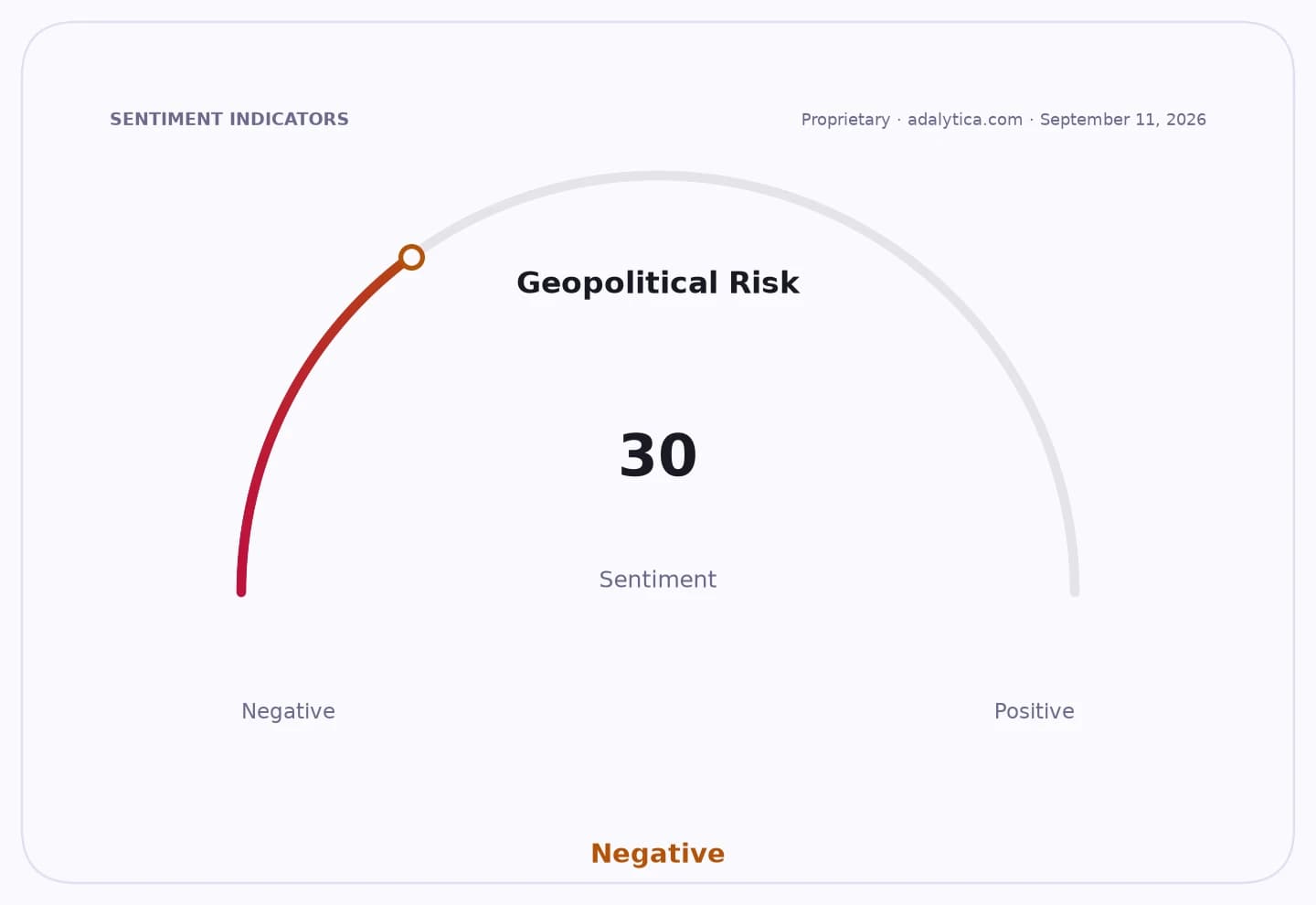
Poland is widening the gate for defense and dual-use investors, with state officials preparing lower grant thresholds for the sector as Ukrainian drone makers and ammunition producers look to build factories in the country.
The shift matters because it turns Poland from a traditional industrial destination into a security-driven manufacturing hub at a time when Europe is racing to rebuild weapons capacity after Russia’s war in Ukraine. For investors, it points to a policy-backed pipeline of projects, larger public support and faster site selection in a sector where demand is being driven by war, rearmament and supply-chain security.
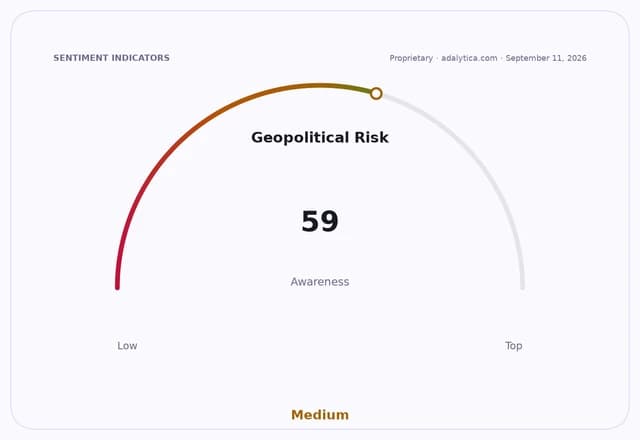
Poland’s investment agency PAIH says it now has six defense and dual-use projects in its portfolio out of 93 active initiatives, underlining how fast the mix has changed. The flagship is Grupa Niewiadów’s 155 mm artillery-shell plant, which carries 508 million zlotys in capital spending and a 90 million zloty government grant.
The Ministry of Development and Technology is preparing a new grant program that will for the first time classify defense as a strategic sector, allowing investors to qualify with lower capital-spending thresholds. That gives the state a more direct role in steering private money into ammunition, drones and related technologies, while helping Poland compete with other European countries trying to capture military-industrial investment.

Ukraine is emerging as a particularly important source of demand. PAIH says a meaningful group of Ukrainian companies wants to produce drones in Poland and supply the Polish military, with the agency supporting them through its offices in Kyiv and Lviv.
That has market implications beyond Poland. Defense groups with exposure to European production capacity, local suppliers and cross-border drone manufacturing stand to benefit from a broader rearmament cycle. Lockheed Martin, RTX and Northrop Grumman have all highlighted geopolitical tensions in Europe and the Middle East in recent filings as a backdrop to sustained demand, even as shares in the sector have turned volatile in recent sessions.
At the same time, the policy backdrop is becoming more supportive for site selection, permitting and public aid, particularly for investors willing to place facilities away from major urban centers. PAIH says defense companies often prefer remote locations, which can make Poland’s lower-cost regions more attractive than established metropolitan industrial hubs.
The bigger story is that Poland is formalizing what was already happening on the ground: defense is becoming a core investment theme, not a niche. If the new grant rules are approved and more Ukrainian and European manufacturers move forward, Poland could become one of the main Central European nodes for drones, ammunition and dual-use production over the next year.
| Entity | Gains | Losses |
|---|---|---|
| Polish state and PAIH | ▲More strategic investment | ▼Less focus on legacy sectors |
| Defense investors | ▲Lower grant thresholds | ▼Higher policy scrutiny |
| Ukrainian drone makers | ▲Faster EU production base | ▼Need to localize operations |
| European arms rivals | ▲Broader supply chain | ▼Tougher competition for projects |