Poland adds electronic barrier on Ukraine border
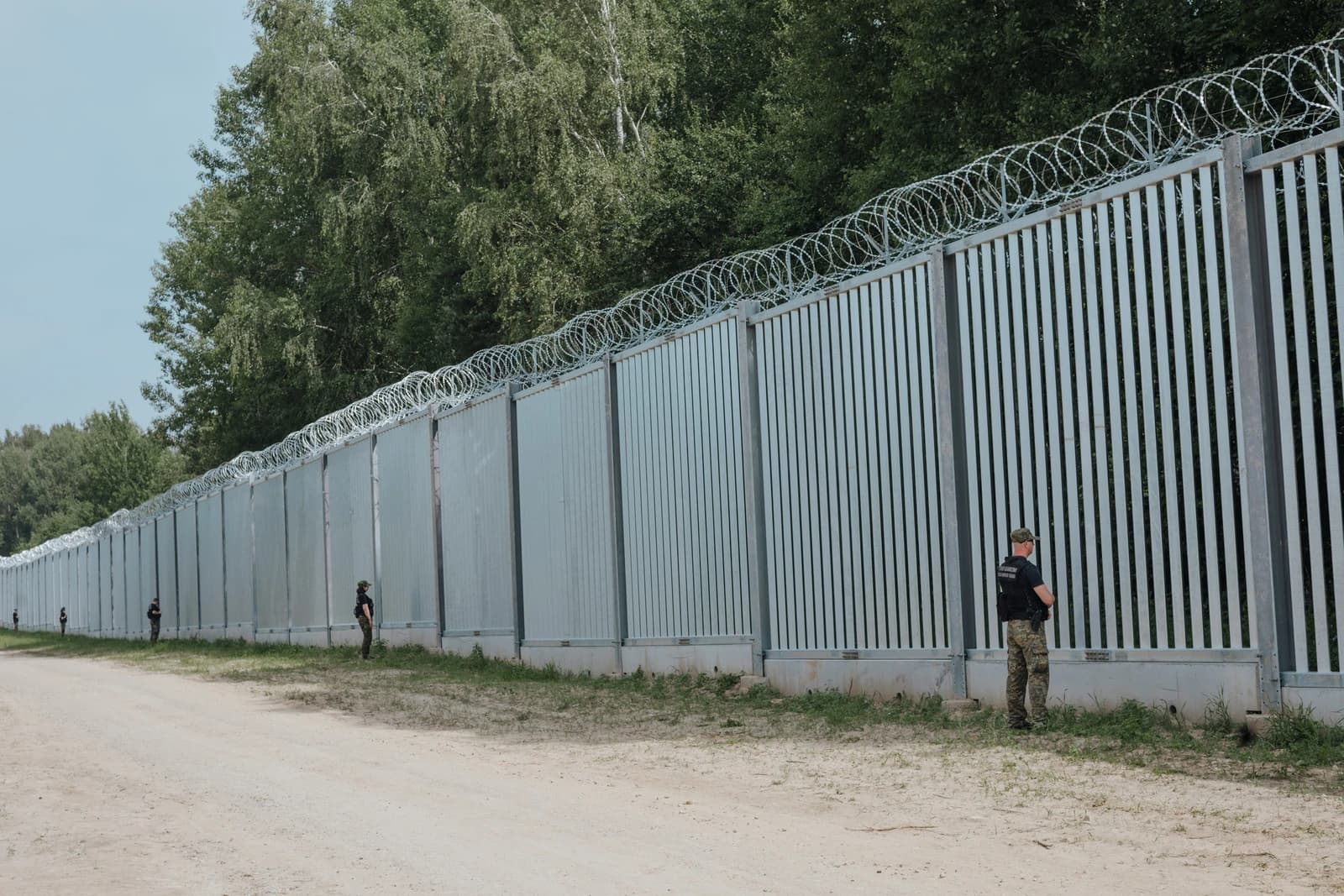
Poland is moving to seal more than 100 kilometers of its border with Ukraine with an electronic surveillance barrier, a step that underlines how Russia’s war is turning the country’s eastern frontier into a long-term defense priority and a steady source of contracts for security suppliers.
The project is not just about border control. It is a signal that Warsaw is preparing for a more persistent security environment in which drones, infiltration routes and supply-chain disruption matter as much as tanks and trenches. The new system will add monitoring and motion detectors to existing physical barriers across 69 kilometers in the Nadbużanski sector and another 43 kilometers in the Bieszczady sector, according to Polish border officials. That makes the eastern border a layered defense line rather than a simple checkpoint regime.
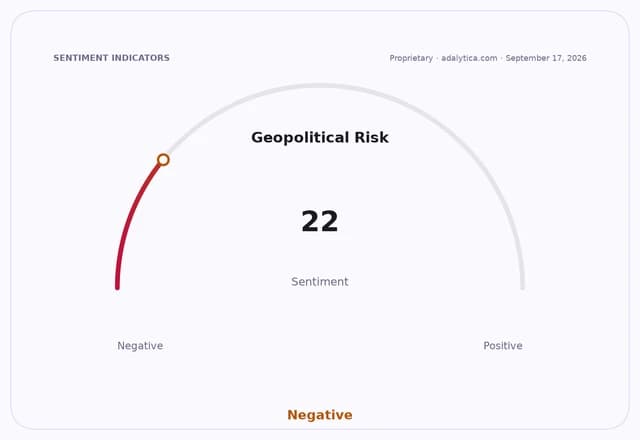
For investors, the bigger story is that Poland is accelerating a broader militarization of infrastructure along its frontiers. Officials said the country also plans to extend surveillance towers and optoelectronic systems on the border with Russia, while Belarus will get drone-detection equipment. That points to sustained spending on sensors, communications, armored vehicles and counter-drone technology — exactly the kind of capex-heavy procurement that benefits defense contractors, industrial suppliers and European security technology firms.
The financing also matters. The European Union is footing the bill for the border investments, which means the projects are tied to a wider Brussels security push rather than a one-off national response. In practical terms, that helps de-risk funding and increases the odds that similar deployments spread across the bloc’s eastern flank. The market underestimates how quickly border security has become a recurring European budget line item, not a temporary wartime exception.
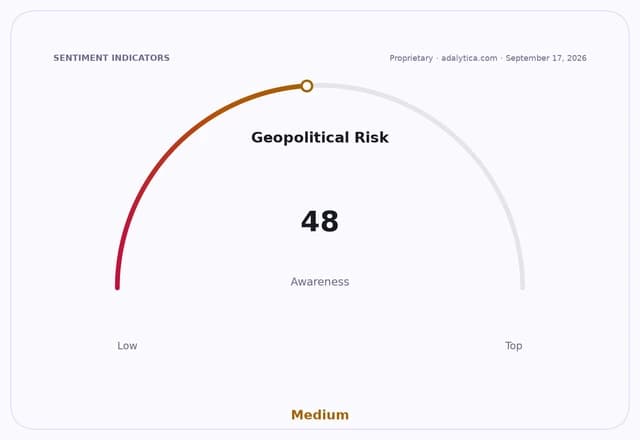
The timing is equally important. Warsaw has already tightened security at border crossings after Russian attacks in western Ukraine, and a Russian drone strike on a civilian train near the Polish border prompted an emergency response from Prime Minister Donald Tusk. That sequence shows why Poland is acting now: the frontier with Ukraine is no longer just a logistics corridor for aid, but a live security exposure for a NATO frontline state.
There is also a second-order trade angle. Poland’s border hardening points to more demand for EU-based surveillance, defense electronics and vehicle makers, while the same tension is a headwind for cross-border commerce and logistics. Recent market signals from the region reflect that split. Poland-focused exposure has held up better than broader risk gauges, while euro-area trade sentiment remains fragile, consistent with a market that sees defense spending rising even as regional confidence stays under pressure.
The clearest investment takeaway is that the eastern flank of Europe remains an asymmetric defense opportunity. I believe the winners are not only the obvious weapons makers, but the companies selling sensors, drones, perimeter systems, software, and protected mobility — the picks-and-shovels of a continent that is learning to finance deterrence at scale. Watch for more EU-backed border and air-defense procurement, because this is where geopolitics turns into recurring revenue.
| Entity | Gains | Losses |
|---|---|---|
| EU defense contractors | ▲More border-security orders | ▼Dependence on procurement timing |
| Polish border service | ▲Better surveillance capability | ▼Higher operating complexity |
| Ukraine-Poland trade corridor | ▲Faster security upgrades | ▼Slower cross-border flow |
| Russia/Belarus pressure tools | ▲Less room for disruption | ▼Reduced infiltration options |