Poland’s European Legion Proposal and Defense Spending
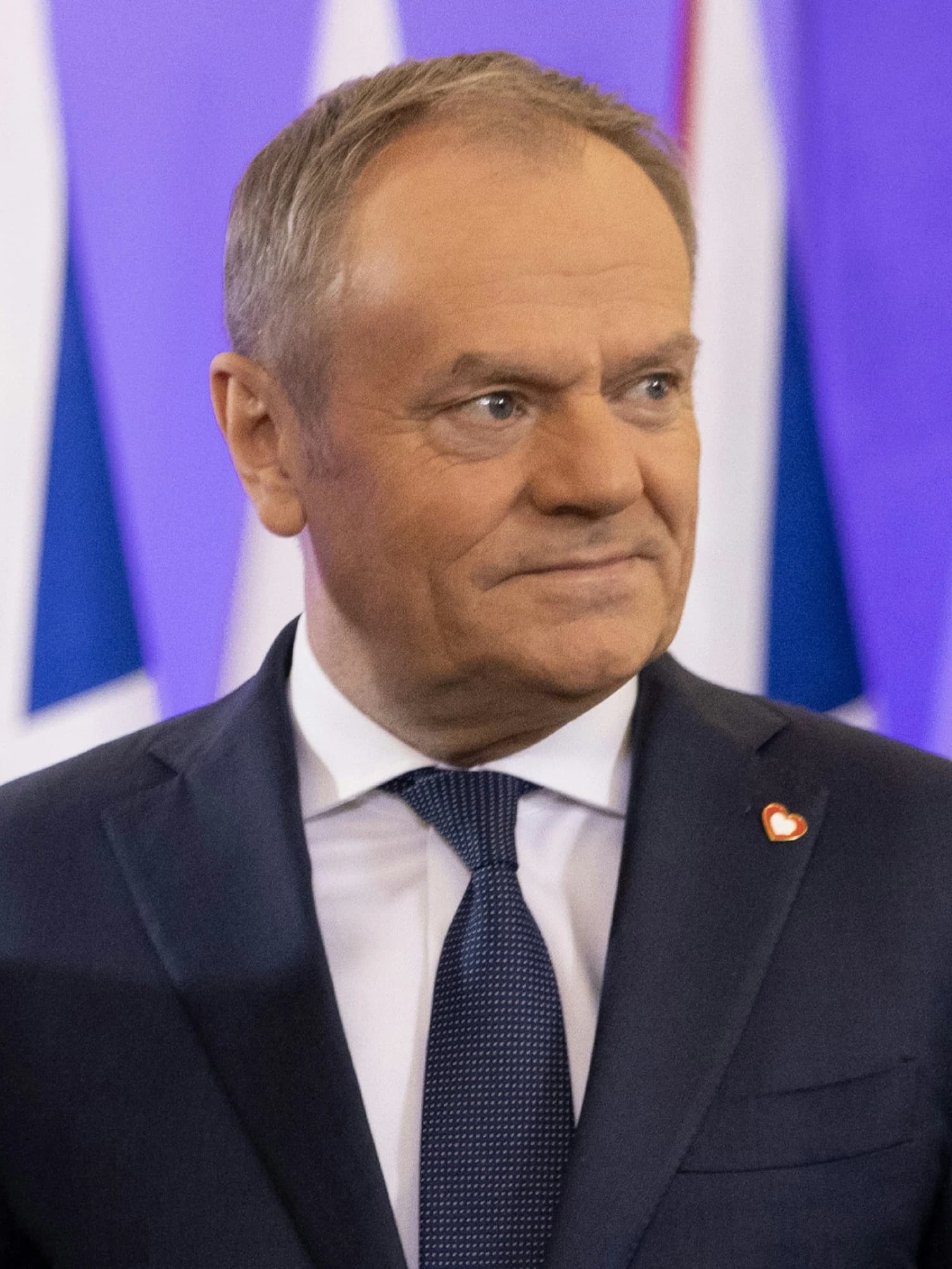
Poland’s suggestion that Europe create a “European Legion” alongside NATO points to a bigger shift in the continent’s security thinking: governments are no longer treating defense spending as a temporary response to crisis, but as a structural priority that could reshape budgets, alliances and military procurement for years.
For investors, that matters because security policy is becoming an economic policy. A more militarized Europe means sustained demand for defense contractors, ammunition makers, communications systems and border-security technology, while also supporting longer-run industrial spending across the euro area. It also reinforces the case for European fiscal flexibility, even as governments face pressure to protect growth, rein in deficits and keep financing costs under control.
The proposal lands at a time when Europe’s defense posture is already under strain from the war in Ukraine and uncertainty over how much the U.S. will continue to shoulder. That makes the “European Legion” idea less about rhetoric and more about the same underlying problem: how to build credible military capacity fast enough to deter Russia without relying entirely on Washington. If that debate gains traction, it could accelerate joint procurement, deeper cooperation among EU members and a larger role for Poland as a front-line security power.
Adalytica’s data show how quickly attention around this kind of defense-and-sovereignty narrative can move markets and politics. Sentiment around Poland’s Civic Platform has dropped to 21, firmly in fear territory, while awareness remains extremely high at 93, suggesting the issue is dominating discussion even as confidence fades. The euro, meanwhile, is flashing extreme greed at 94 on Adalytica’s Euro Trade Signals gauge, a reminder that investors are already positioning around the bloc’s broader resilience and policy backdrop.
That combination tells a familiar story for long-term investors: geopolitical shocks often create noise, but they also expose durable winners. Europe’s defense buildout is unlikely to be a one-quarter trade. It looks more like a multi-year spending cycle that could benefit companies with scale, manufacturing capacity and political access, while pressuring firms and governments that remain too dependent on outdated defense assumptions.
The real question is not whether Europe can afford to spend more on security. It is whether it can afford not to. If the “European Legion” idea becomes part of the policy mainstream, investors should expect more defense capital expenditure, more cross-border coordination and a stronger case for the region’s industrial suppliers. Worth watching for anyone building a portfolio with a 3- to 10-year horizon.
| Entity | Gains | Losses |
|---|---|---|
| European defense contractors | ▲More orders | ▼Slower spending if plan stalls |
| NATO/U.S. burden-sharing | ▲Less pressure on Washington | ▼Stronger EU autonomy talk |
| Poland and eastern flank states | ▲Bigger security role | ▼Higher fiscal strain |
| Euro-area budget hawks | ▲Long-term deterrence | ▼Near-term deficit pressure |