Poland Plans Higher Taxes on Lump-Sum Earners
Poland is moving to narrow the tax breaks enjoyed by people paid through lump-sum arrangements, a shift that could raise the effective burden on higher earners and small business owners while helping Warsaw protect revenue as it funds a bigger state role in the economy.
That matters because the change goes after a popular income structure used by contractors, professionals and some entrepreneurs to keep taxes lower than under standard payroll rules. If the government raises the rate above a 300,000-euro revenue threshold, it would be another sign that Poland is leaning harder on wealthier taxpayers and larger businesses to bankroll spending, even as it keeps broader personal tax relief in place.
For investors, the biggest question is not just the headline tax rate. It is whether Poland is redesigning its fiscal system in a way that shifts costs toward domestically oriented service firms, banks and high-income households while preserving support for consumption and defense-related investment. That mix can be constructive for the broader economy if it leaves lower earners with more disposable income, but it can also weigh on margins for firms that depend on Poland’s growing class of independent professionals.
The move also fits a wider policy pattern. Poland has been trying to balance growth-friendly measures with the need to finance defense spending and maintain budget flexibility, and that has increasingly meant asking more from companies and higher-income taxpayers. The banking sector is already under legal scrutiny, with the Supreme Administrative Court sending the Polish banking tax to the EU’s top court, underscoring how much of the fiscal debate now revolves around who should pay and how much.
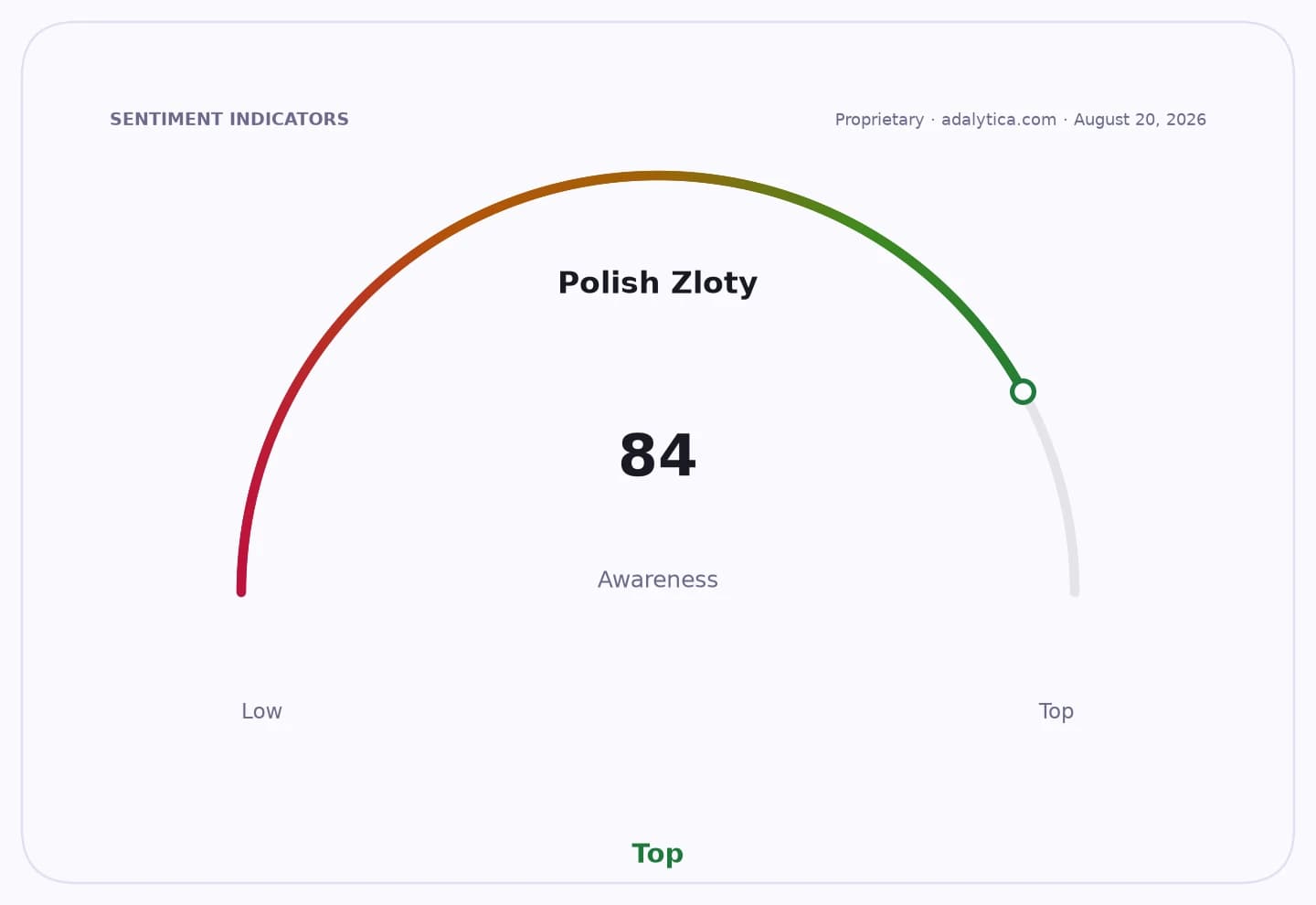
Market signals around the zloty suggest investors are watching the policy mix but not yet pricing in panic. The currency’s trade signals show strong awareness and neutral sentiment, while FX volatility remains in a fear zone but far below its recent spikes, implying this is more of a repricing story than a crisis. In other words, Poland’s tax tightening may matter more for stock selection and after-tax earnings than for the immediate macro backdrop.
For long-term investors, the key takeaway is simple: Poland is still trying to grow, but it wants growth with a bigger contribution from those best able to pay. That can support state finances and strategic spending, yet it raises the bar for companies exposed to local tax policy and for investors who rely on the country’s entrepreneur-friendly reputation. Worth watching, especially if you own Polish banks, domestic services or high-income consumer-facing businesses.
| Entity | Gains | Losses |
|---|---|---|
| Polish state finances | ▲More revenue | ▼Less budget strain |
| High earners/contractors | ▲Lower certainty | ▼Higher tax burden |
| Banks and large firms | ▲Policy clarity | ▼Higher effective taxes |
| Polish consumers | ▲Lower tax relief risk | ▼Slower income gains |