Poland coal transition shifts to imported coal
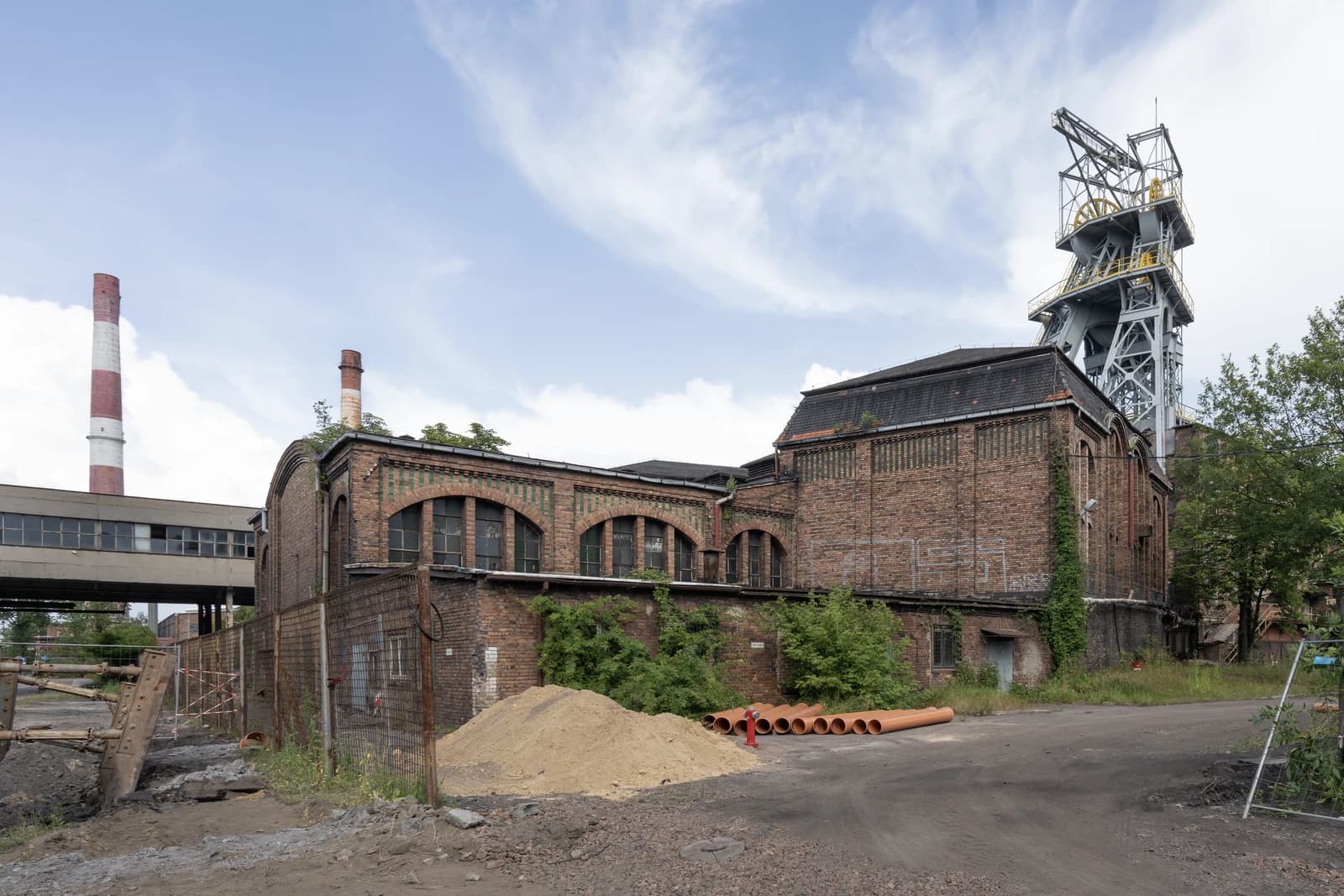
Poland’s coal transition is increasingly looking less like a clean exit from the fuel and more like a shift from domestic coal to imported coal, a change that could leave Europe’s biggest coal-dependent economy exposed to supply squeezes and higher power costs.
That is the central warning from former deputy economy minister Jerzy Markowski, who argues that the country is reducing mining capacity faster than it is cutting demand or building reliable replacement generation. His argument matters because Poland still relies heavily on coal for power, heat and industrial energy, even as state policy and climate goals push mines toward closure.
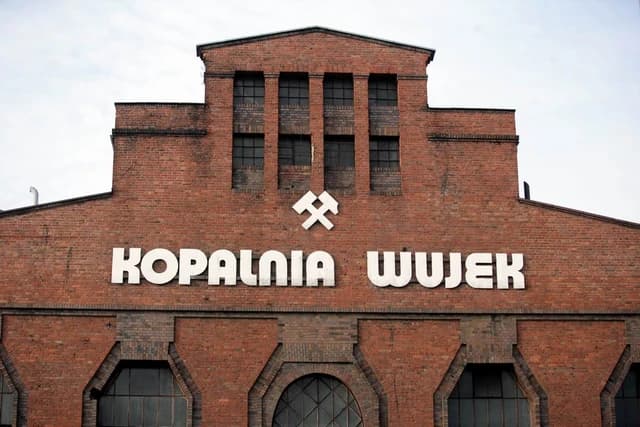
The economic problem is not simply whether coal consumption is falling, but whether the decline in domestic output is being matched by new baseload capacity. Markowski says the country has moved from Russian coal before the full-scale war in Ukraine to Colombian coal now, while Polish coal is pushed out of the market. In other words, the energy balance may be changing less than the politics around it suggest.
For investors, that raises two different but related risks. First, power system tightness can keep wholesale electricity prices elevated if imports become a structural stopgap rather than a temporary bridge. Second, a slower-than-expected replacement of coal with gas, nuclear and renewables could keep regulatory uncertainty high for utilities, miners and industrial users alike. Coal producers with export access may benefit from replacement demand, while domestic mining assets remain under pressure from policy-led contraction.
The timing is awkward for Poland’s broader industrial base. When domestic coal output shrinks faster than non-coal capacity expands, the country becomes more dependent on external supply chains for a fuel that still underpins system stability. That can make energy security more, not less, fragile in the near term, especially during periods of strong demand or volatile global commodity prices.
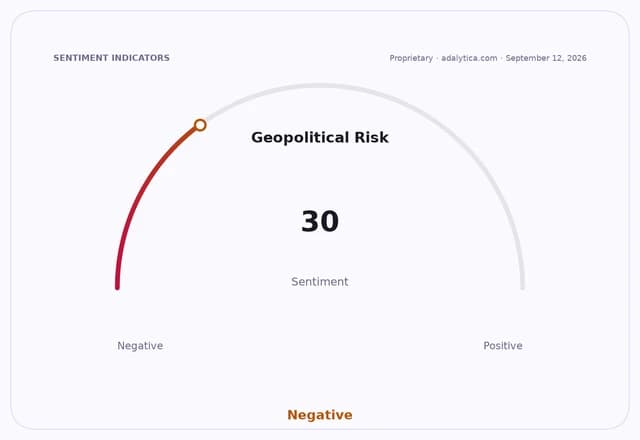
The market backdrop reinforces the concern. WTI crude has climbed back to about $97 a barrel in the latest readings, while a Reuters-style risk gauge for global stability has fallen into “Fear,” underscoring a broader environment of commodity and geopolitical volatility. In such conditions, relying on imported fuel can amplify cost shocks rather than absorb them.
Among coal-linked equities, the message is mixed. Peabody Energy’s shares have been relatively firm, with the stock recently trading around $28.21, above its 50-day moving average but still slightly below the 200-day average, suggesting investors see value in export exposure but are not pricing in a straight-line recovery. The stock’s RSI around 53 points to neither an overbought nor oversold setup, leaving room for policy headlines and coal price moves to drive the next leg.
Markowski’s broader point is that Poland is not debating the end of coal in the abstract; it is debating the sequencing of replacement capacity, mine closures and fuel imports. If new low-carbon generation arrives too slowly, the country may end up paying for the transition twice — once through the cost of shutting mines, and again through imported fuel and strained grids.
That makes the next stage of Poland’s energy policy crucial. Investors will be watching whether Warsaw accelerates nuclear, offshore wind, gas backup and grid investment fast enough to prevent imported coal from becoming a permanent feature of the system.
| Entity | Gains | Losses |
|---|---|---|
| Imported coal suppliers | ▲Higher demand | ▼Domestic miners |
| Polish utilities | ▲Near-term fuel availability | ▼Cost stability |
| Domestic coal miners | ▲Policy support for exit costs | ▼Production volumes |
| Industrial power users | ▲System continuity if imports fill gap | ▼Lower margins if power prices rise |