Poland residence-card delays slow labor supply
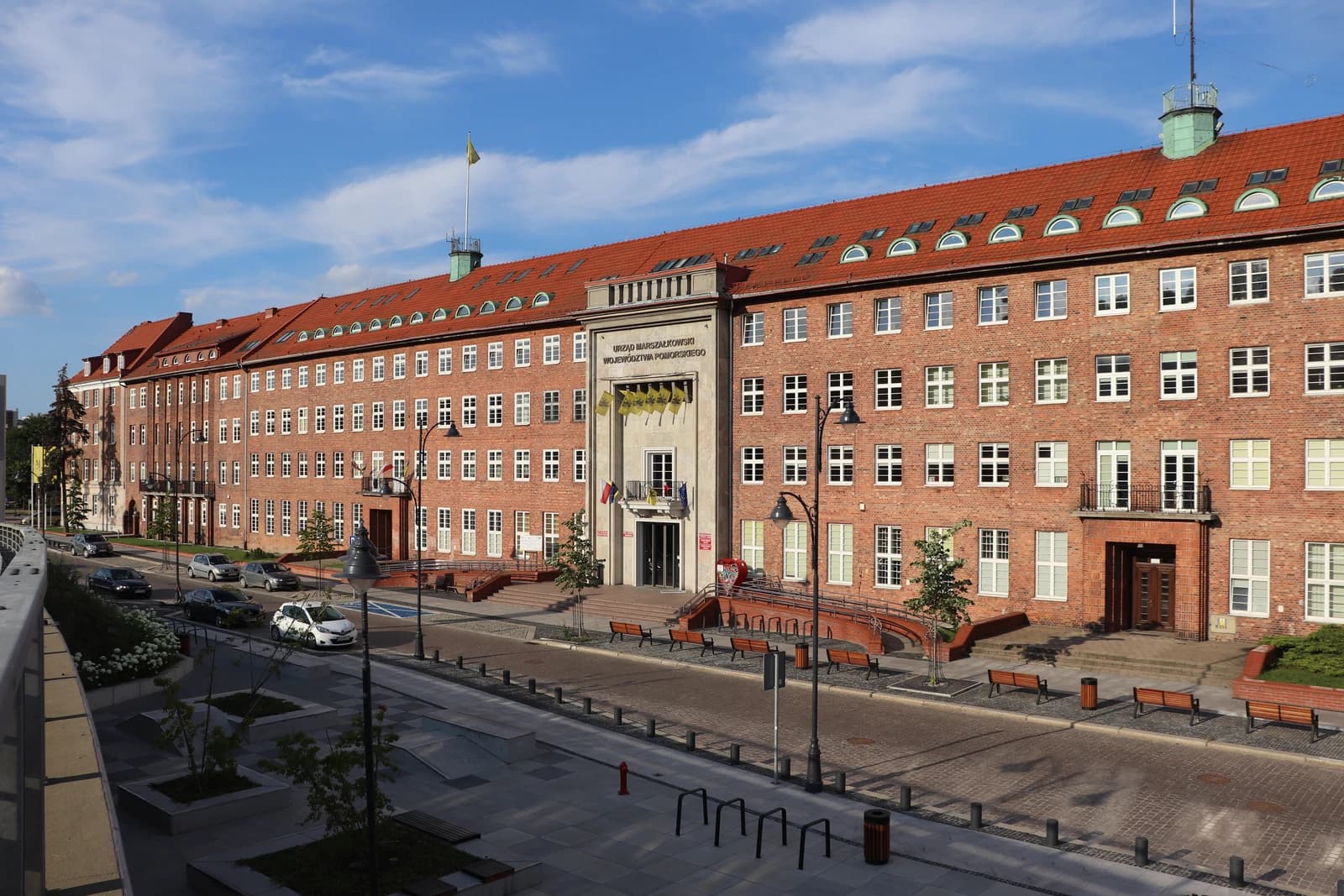
Foreigners protesting in Gdansk over Poland’s slow residence-card processing are spotlighting a deeper economic problem: Europe’s migration and labor flows are growing faster than the state machinery needed to absorb them. If applicants are waiting 26 to 28 months for a residence card, the issue is no longer administrative inconvenience — it is a brake on labor supply, consumer spending, housing demand and business formation in one of the region’s fastest-moving labor markets.
That matters because residence permits are the gateway to formal work, bank accounts, leases and longer-term investment. A backlog of nearly two years leaves workers stranded in legal limbo and makes it harder for employers to plan staffing, especially in sectors that depend on foreign labor such as logistics, manufacturing, construction and services. For Poland, where demographics are already tightening the workforce, slow processing risks turning a migration advantage into an economic inefficiency.
The timing is especially sensitive. Europe has seen residency issuance climb to record levels, underscoring how important cross-border mobility has become to the continent’s growth model. But the surge in applications is colliding with underpowered bureaucracy, creating a gap between policy intent and execution. That gap can ripple into real estate, retail and wage dynamics as migrants delay household formation, postpone purchases and remain less embedded in the formal economy.
For investors, the takeaway is that migration is becoming an investable infrastructure theme, and not just a political one. The winners are likely to be companies and sectors that help governments and employers handle the flow — digital identity, document processing, staffing platforms, compliance software, rental housing and financial services that serve newcomers. The losers are businesses exposed to labor shortages, delayed consumer conversion and sluggish permitting systems that slow economic throughput.
Adalytica’s Global Stability Sentiment gauge has slid into fear territory, reflecting how quickly political and administrative friction can feed into broader risk perception. The market may still be underestimating how much value is lost when a country’s labor pipeline is blocked by paperwork. If Poland speeds approvals, it could unlock a bigger pool of workers and capital. If it does not, the bottleneck becomes a structural tax on growth — and a warning for other European economies facing the same strain.
For now, the most actionable read is clear: own the picks-and-shovels of migration infrastructure and be cautious on businesses that depend on frictionless labor inflows until Poland and its peers prove they can clear the backlog.
| Entity | Gains | Losses |
|---|---|---|
| Digital ID and compliance firms | ▲More demand for automation | ▼Manual processing remains dominant |
| Foreign workers in Poland | ▲Faster legalization if reforms come | ▼Long delays and uncertainty |
| Employers needing labor | ▲Better staffing if permits speed up | ▼Labor shortages persist |
| Bureaucratic systems | ▲Pressure to modernize | ▼Credibility and efficiency suffer |