Poland plans satellite network after Starlink friction
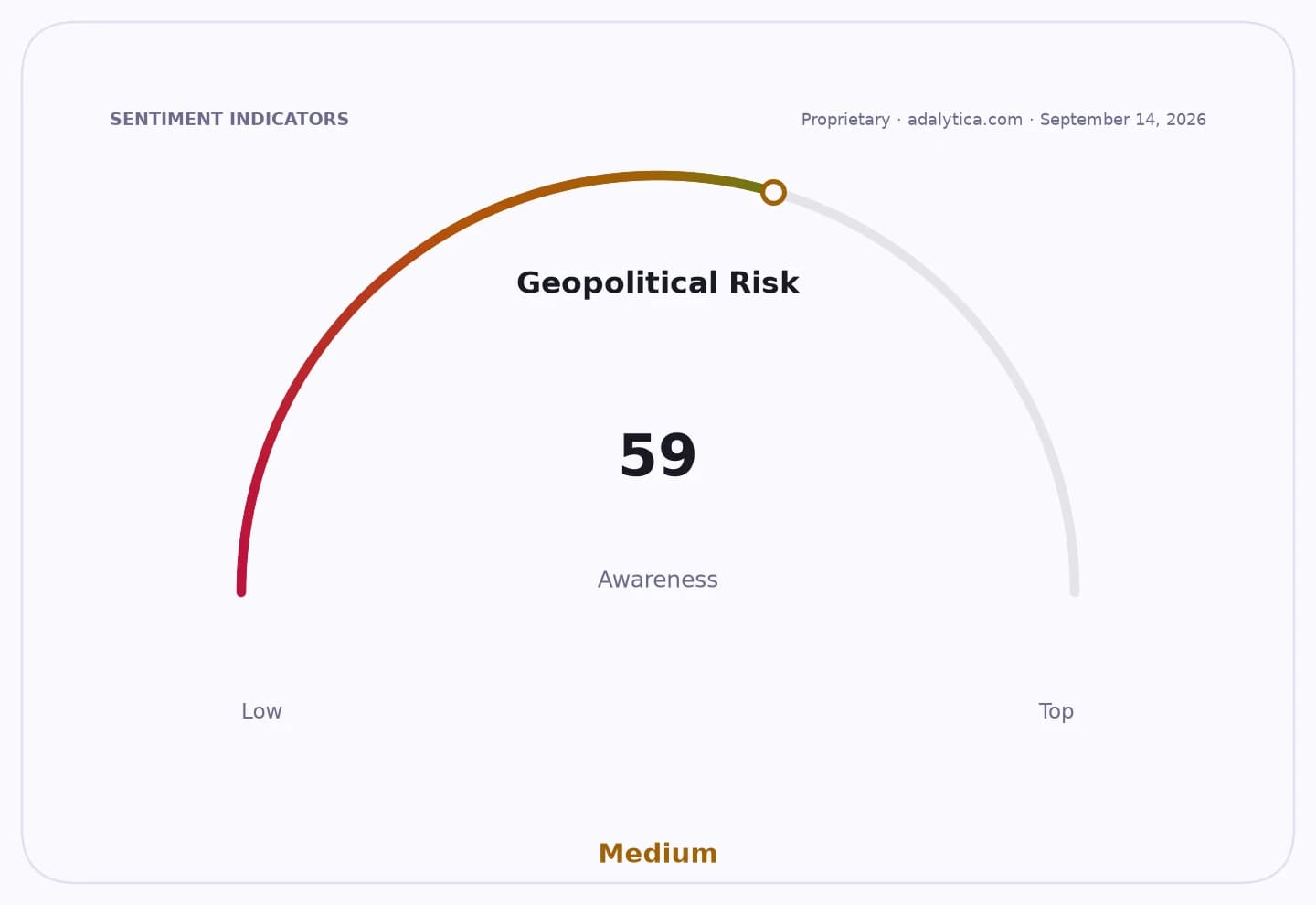
Poland’s push to build an independent satellite communications network matters less as a technology announcement than as a strategic break with dependence on a single foreign provider at a time when Ukraine’s war has made resilient connectivity a military necessity.
Prime Minister Donald Tusk said the government wants a “Polish Starlink” and that the process has already begun, framing satellite communications as a national security issue that should not hinge on “the whim of one person.” That is a direct political response to growing friction with SpaceX, after Starlink’s terms were altered for Polish customers and Warsaw threatened to reconsider funding for terminals used in Ukraine.
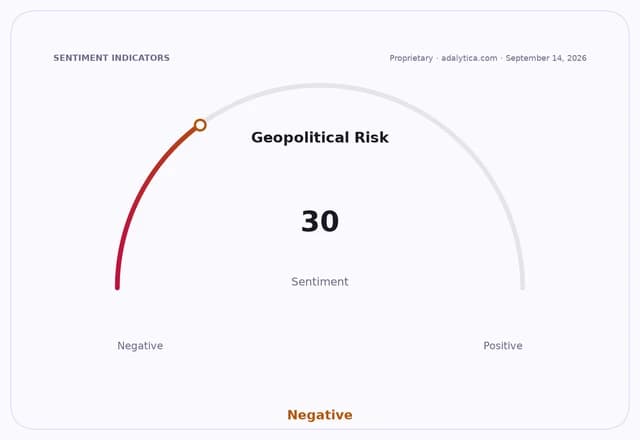
The economics are bigger than the rhetoric. Europe is learning that space infrastructure is not just an abstract sovereignty project; it is an operational backbone for defense, emergency response, mapping and secure communications. If governments conclude that commercial satellite constellations can be restricted, repriced or disrupted by private owners, they will pour more money into domestic and allied systems, lifting demand for satellites, launch services, ground stations, encrypted networks and battlefield communications.
For investors, that makes the story far more interesting than the immediate headline suggests. The market has already rewarded names tied to satellite connectivity, but the real opportunity may sit with the infrastructure layer rather than any single consumer-facing network. Globalstar, whose shares have been volatile but remain supported by a 50-day average above the 200-day average, sits in the orbit of this theme as investors look for non-SpaceX alternatives in mission-critical communications. Defense primes and space suppliers could also benefit as Europe shifts from buying capacity to owning it.
Tusk’s comments also point to a broader European reordering. If Poland can’t rely comfortably on a U.S. private company for strategic connectivity, other NATO and EU governments will ask the same question. That raises the odds of more public spending on sovereign space assets and multinational procurement, especially as Europe seeks to harden its security architecture against geopolitical shocks and private-sector concentration risk.
There is a catch: Poland is not actually announcing a full Starlink competitor yet. The immediate plan is for nine Earth-observation satellites by the end of 2026, which is a long way from a low-Earth-orbit broadband constellation. Still, the direction is clear. The market should treat this as an early-stage signal that sovereign satellite infrastructure is moving from concept to budget line — and that the companies selling the picks-and-shovels of orbital security may be the best long-term winners.
| Entity | Gains | Losses |
|---|---|---|
| Poland | ▲Strategic autonomy | ▼Reliance on SpaceX |
| European defense space suppliers | ▲New procurement demand | ▼Status quo budgets |
| SpaceX / Starlink | ▲Little from sovereign push | ▼Possible European customer losses |
| Globalstar and peers | ▲Alternative-provider interest | ▼If sovereign systems bypass private networks |