Poland Tourism Growth Attracts More European Visitors
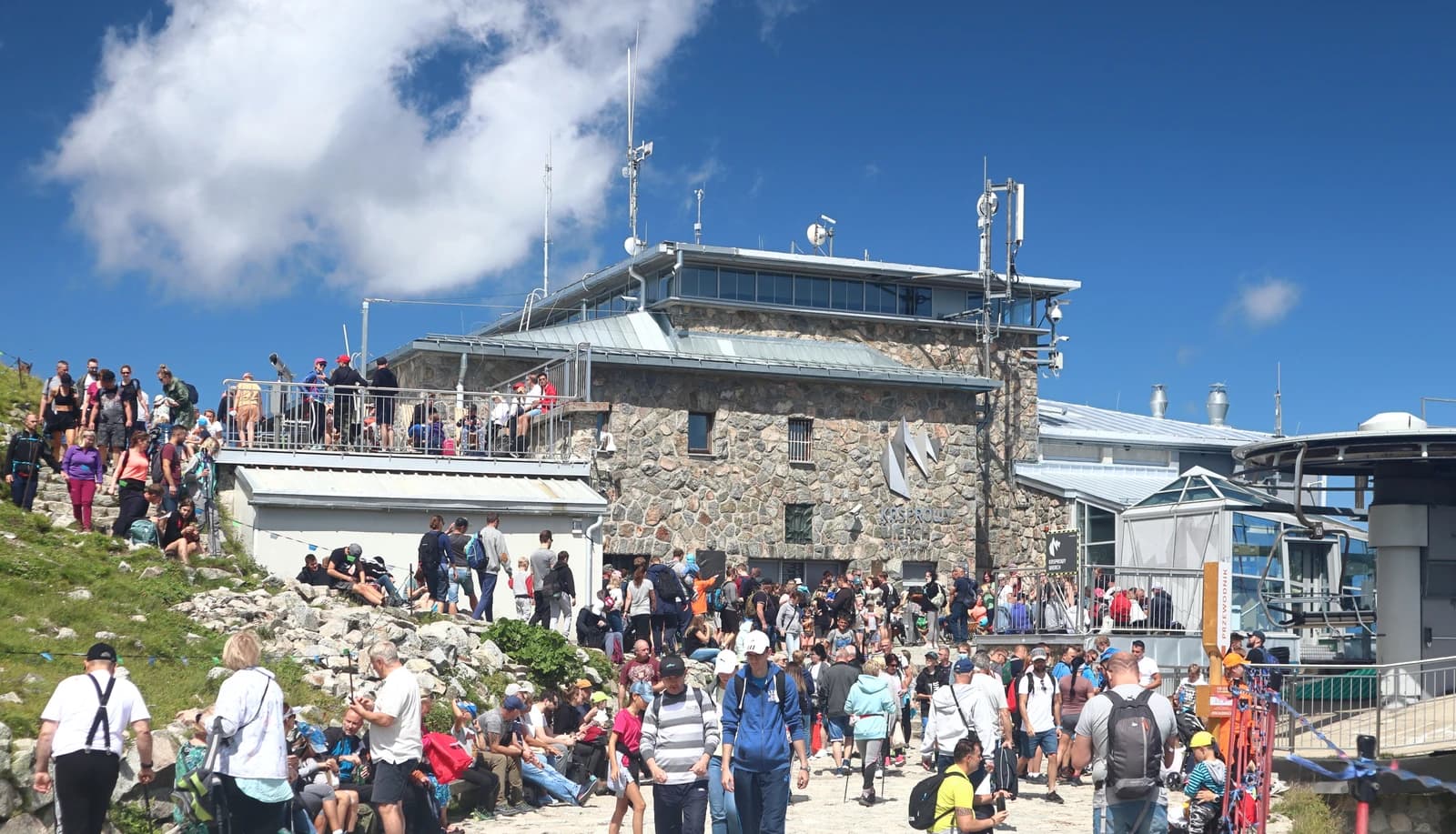
Poland is turning its economic rise into a tourism advantage, with stronger growth, better infrastructure and a more modern image helping make it one of Europe’s fastest-rising destinations.
What was once sold mainly as a stop for Krakow, Warsaw or Auschwitz is increasingly a broader travel story. Poland’s expanding economy has helped reshape how travelers see the country, while city-break demand across Europe and a push into wellness and partnership-driven tourism are adding momentum to the sector.
For investors, the shift matters because tourism spending feeds directly into hotels, transport, restaurants and retail, while also supporting local currencies and broader consumer activity. A destination that can attract more foreign visitors while sustaining domestic travel typically gets a longer runway for growth than a one-season hotspot.
That is especially relevant in Central and Eastern Europe, where tourism has been gaining share as travelers look for lower-cost alternatives to Western Europe’s pricier capitals. Poland has already overtaken Portugal in tourism growth, according to the market context, underscoring how quickly it is moving up the regional travel hierarchy.
The backdrop is also favorable for companies with exposure to European travel demand, from online booking platforms to vacation ownership and airline operators. Booking.com, Airbnb and travel groups such as Travel + Leisure all depend on destinations that can keep supply and demand balanced as travelers branch beyond traditional Western hubs.
Adalytica’s Euro trade signals show extreme fear in the zloty, but that has not dimmed Poland’s tourism appeal, suggesting the country is drawing visitors for its value, scale and improving brand rather than for currency strength alone. The broader story is one of a transitional economy using rising incomes, better connectivity and a cleaner international image to capture a bigger slice of Europe’s travel market.
That keeps Poland’s tourism sector in focus heading into the next booking cycle, with investors watching whether the country can convert its current popularity into sustained arrivals, higher per-visitor spending and stronger gains for travel-related businesses.
| Entity | Gains | Losses |
|---|---|---|
| Poland tourism sector | ▲More arrivals and spending | ▼Legacy “stopover” image |
| Hotels, airlines, travel platforms | ▲Higher demand | ▼Price pressure if capacity lags |
| Central Europe destinations | ▲Spillover interest | ▼Western Europe city breaks |
| Consumers/travelers | ▲More value options | ▼Higher prices if popularity rises |