Poland tourism boost lifts travel demand
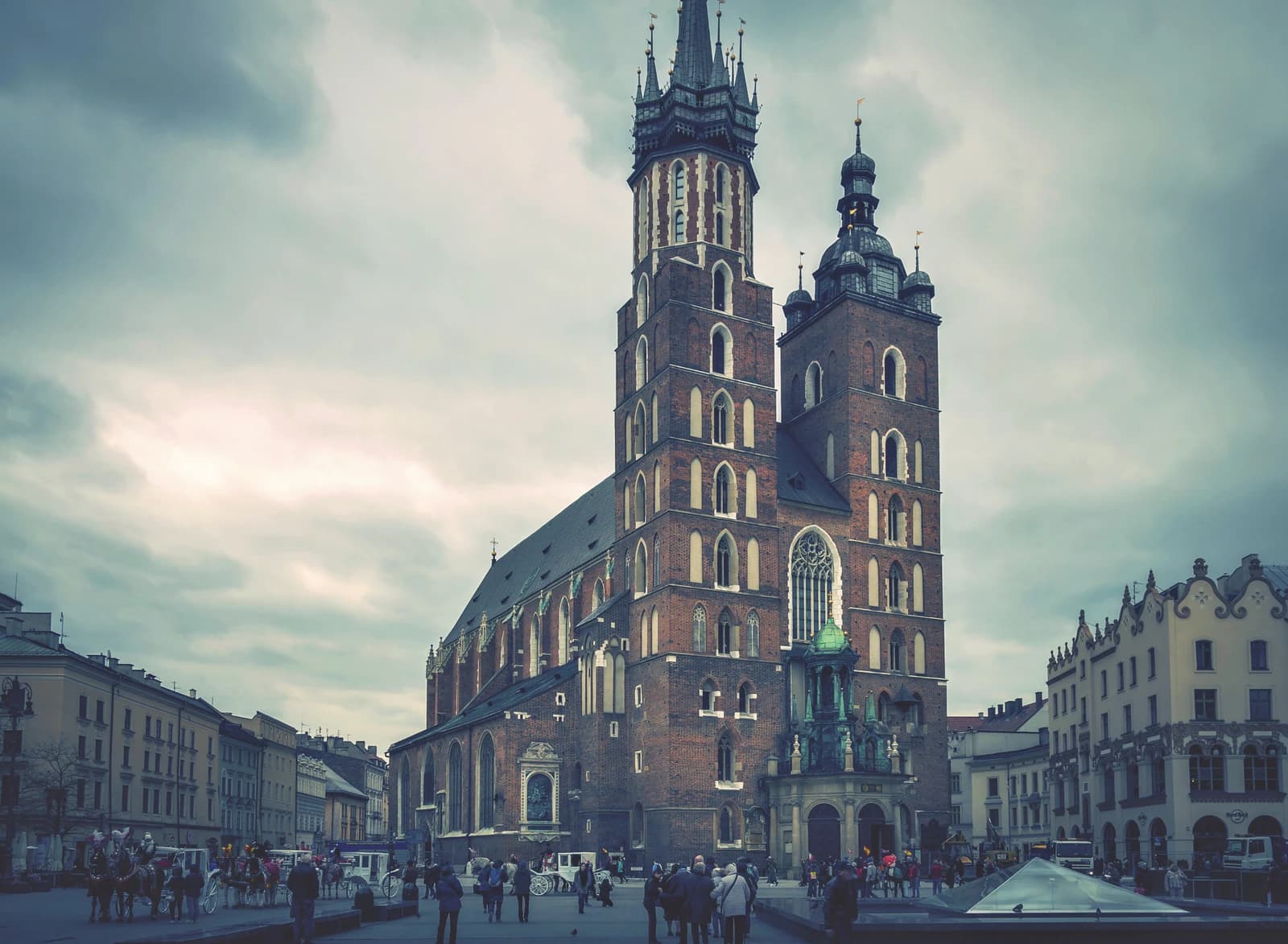
Poland’s rise as one of Europe’s hottest travel destinations is becoming an economic story, not just a tourism one, and that matters for investors watching where discretionary spending and capital are flowing next.
The country has moved from a post-communist transition case to a place that now combines faster growth, modern infrastructure and a stronger international profile — a mix that is drawing travelers beyond the usual stops in Western Europe. That shift is important because tourism follows confidence: when a country is seen as safe, accessible and upwardly mobile, it captures a larger share of Europe’s leisure budgets, city-break demand and longer-stay travel.
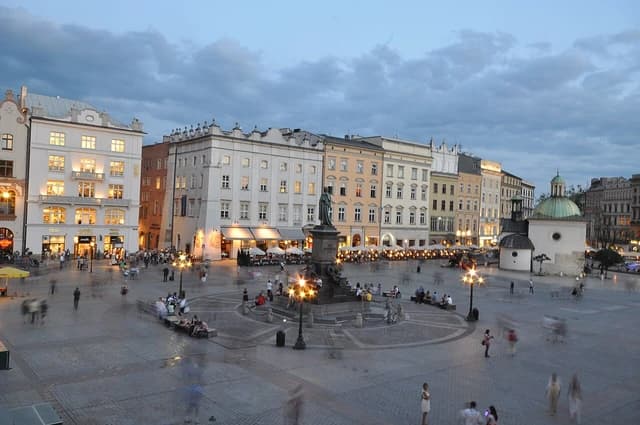
For investors, the prize is not just Poland’s hotels or attractions. It is the knock-on effect across airlines, online travel platforms, hotel chains, payment rails and local consumer spending. Poland’s appeal gives Booking Holdings, Travel + Leisure and airline operators more room to monetize intra-European travel, especially as travelers look for value relative to pricier Western European capitals. It also reinforces a broader thesis that Central and Eastern Europe are no longer peripheral to the continent’s travel map; they are becoming the map.
That matters because the tourism trade is highly sensitive to perceptions of safety, infrastructure and economic momentum. Poland has managed to rebrand itself as a destination that offers all three. In practical terms, that can mean higher occupancy, stronger seasonal demand, and better pricing power for travel operators that can route demand into the region. Booking’s latest filing showed merchant revenues up 15% in the second quarter, while its Europe pricing remained firm, underscoring that regional travel demand is still carrying real commercial weight. Travel + Leisure, meanwhile, continues to lean on its travel and membership businesses as consumers spend on experiences rather than goods.
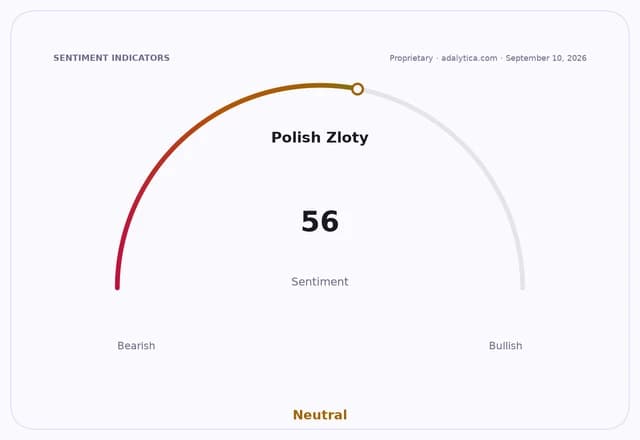
The market is still underestimating the second-order beneficiaries. A tourism upgrade does not just help hotels in Krakow or Warsaw; it can support the broader Polish economy through jobs, retail spending, transport and service exports. It also strengthens the case for the zloty over time, as a more diversified, more visible economy tends to attract more foreign capital and more stable inflows. Adalytica’s Polish zloty trade signals currently show neutral sentiment, suggesting the currency is not yet fully pricing in the durability of the country’s improving profile.
The investment takeaway is straightforward: Poland’s tourism boom is another sign that the region’s growth story is deepening, not peaking. I believe the best way to play it is through the picks-and-shovels of travel demand — global booking platforms, European carriers and hospitality operators with exposure to Central Europe — before the market fully recognizes that Poland has become one of Europe’s most investable leisure destinations.
| Entity | Gains | Losses |
|---|---|---|
| Poland | ▲Tourism inflows, brand upgrade | ▼Perception as a low-cost transition economy |
| Booking Holdings | ▲More European room nights, pricing power | ▼Lower-growth legacy travel markets |
| Travel + Leisure | ▲Higher travel demand, membership monetization | ▼Consumers delaying discretionary trips |
| Western European destinations | ▲— | ▼Share of city-break and leisure demand |