Poland Ukraine Protection Registrations Fall
The number of Ukrainians in Poland under temporary protection has dropped by more than 107,500 since the spring, and the biggest driver appears to be a legal change that has made it harder for some arrivals to qualify in the first place.
Polish government data show 974,500 people were registered under temporary protection in April 2026, falling to 868,000 by early September, an 11% decline. While rising hostility toward Ukrainians has become a louder political theme in Poland, the evidence in the data and in refugee accounts points first to bureaucracy: changes in March and again in September have forced people to more explicitly declare their intention to seek protection at the border and to verify identity with valid travel documents.
That matters economically because Poland has been the main labor-market landing zone for millions of Ukrainians since Russia’s 2022 invasion. A sustained fall in protected-status Ukrainians can reshape the country’s labor supply, consumer demand and public finances, even if many of those leaving are not exiting the country entirely. Some are moving onto other residency permits, and some may be returning after reentering with proper passports, but the drop in temporary-protection registrations still signals a thinner pool of immediately available workers and a more complicated administrative environment for employers.
The March rule requires Ukrainians to state clearly to border guards that they are entering Poland to seek temporary protection. If they do not, entry can be logged as a normal visa-free visit, making them ineligible to apply later under that status. A separate rule that took effect in September affected refugees who had originally entered without a valid passport and were asked to confirm their identities with one by Aug. 31 or lose legal residence attached to temporary protection on Sept. 1.
Immigration experts and Ukrainian community groups say the fall in the registry is therefore not simply a story of refugees being driven out by social tension. Bohdan Kontsur of Ukrainian House in Warsaw said many affected people did not realize the border procedure had changed, while Polish border authorities confirmed that a declaration at entry is now required. Kontsur said tens of thousands were affected by the document-verification rule, later softened with a six-month grace period.
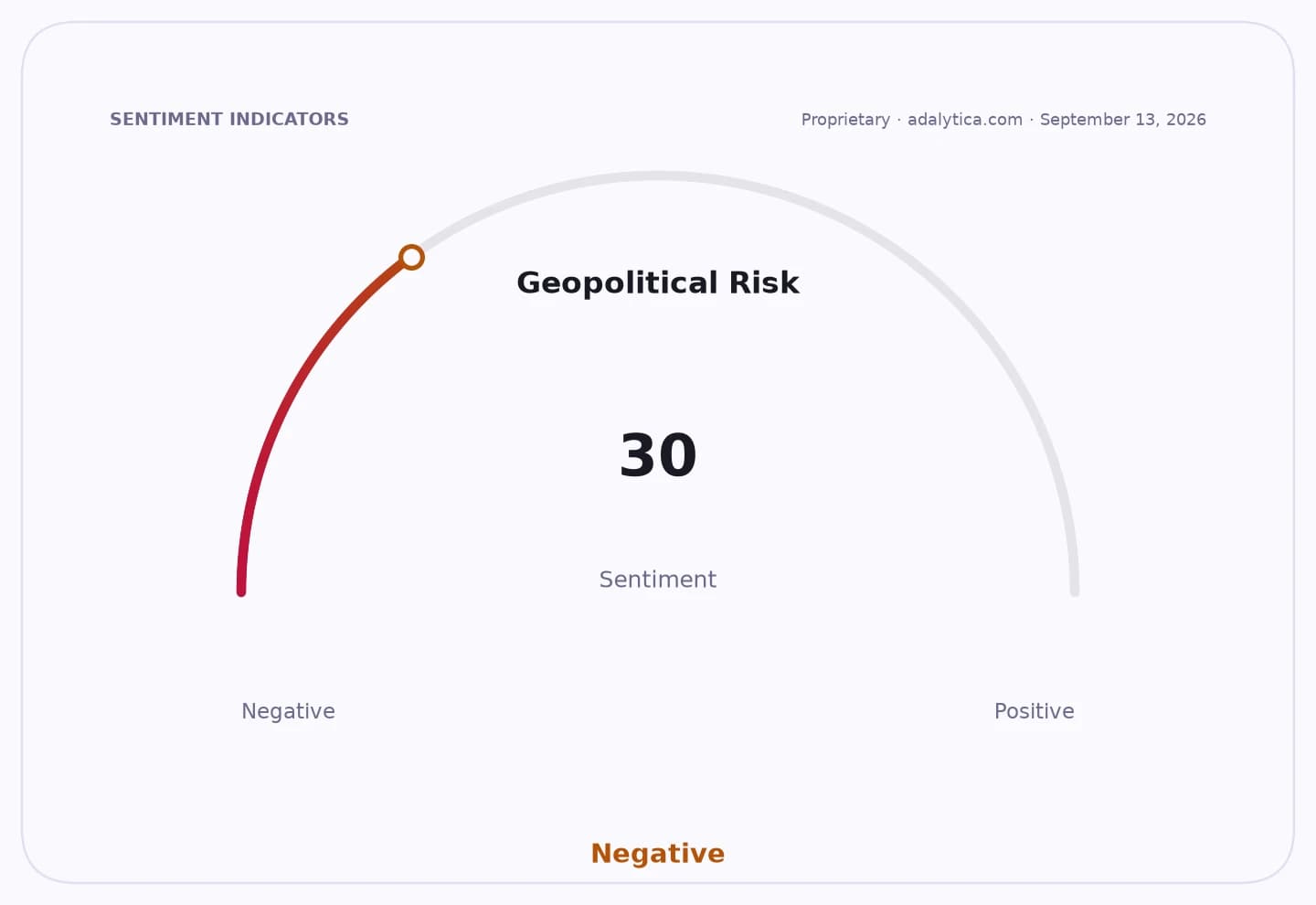
The political backdrop is still important. Polish polling shows support for accepting Ukrainians has dropped sharply since 2022, and anti-Ukrainian rhetoric has intensified in the run-up to the 2025 presidential election. That creates a second-order risk for investors: even if the immediate decline is bureaucratic, the policy changes reflect a less welcoming environment that could slow longer-term migration, complicate hiring in sectors reliant on Ukrainian workers and pressure businesses that have built operations around cross-border labor mobility.
For markets, the issue is less about an immediate macro shock than about the persistence of a key post-invasion labor source for Poland and the wider Central European economy. If the decline in temporary protection continues, employers in logistics, construction, agriculture and services may face tighter labor conditions, while policymakers could come under pressure to balance domestic political sentiment against the economic need for foreign workers.
| Entity | Gains | Losses |
|---|---|---|
| Polish border authorities | ▲stricter compliance | ▼administrative complexity |
| Ukrainian refugees in Poland | ▲clearer rules for some | ▼loss of temporary status |
| Polish employers | ▲more certainty on residency rules | ▼tighter labor supply |
| Anti-immigration politicians | ▲stronger political message | ▼economic backlash risks |