Poland labor market and EPOL after Ukrainian inflow
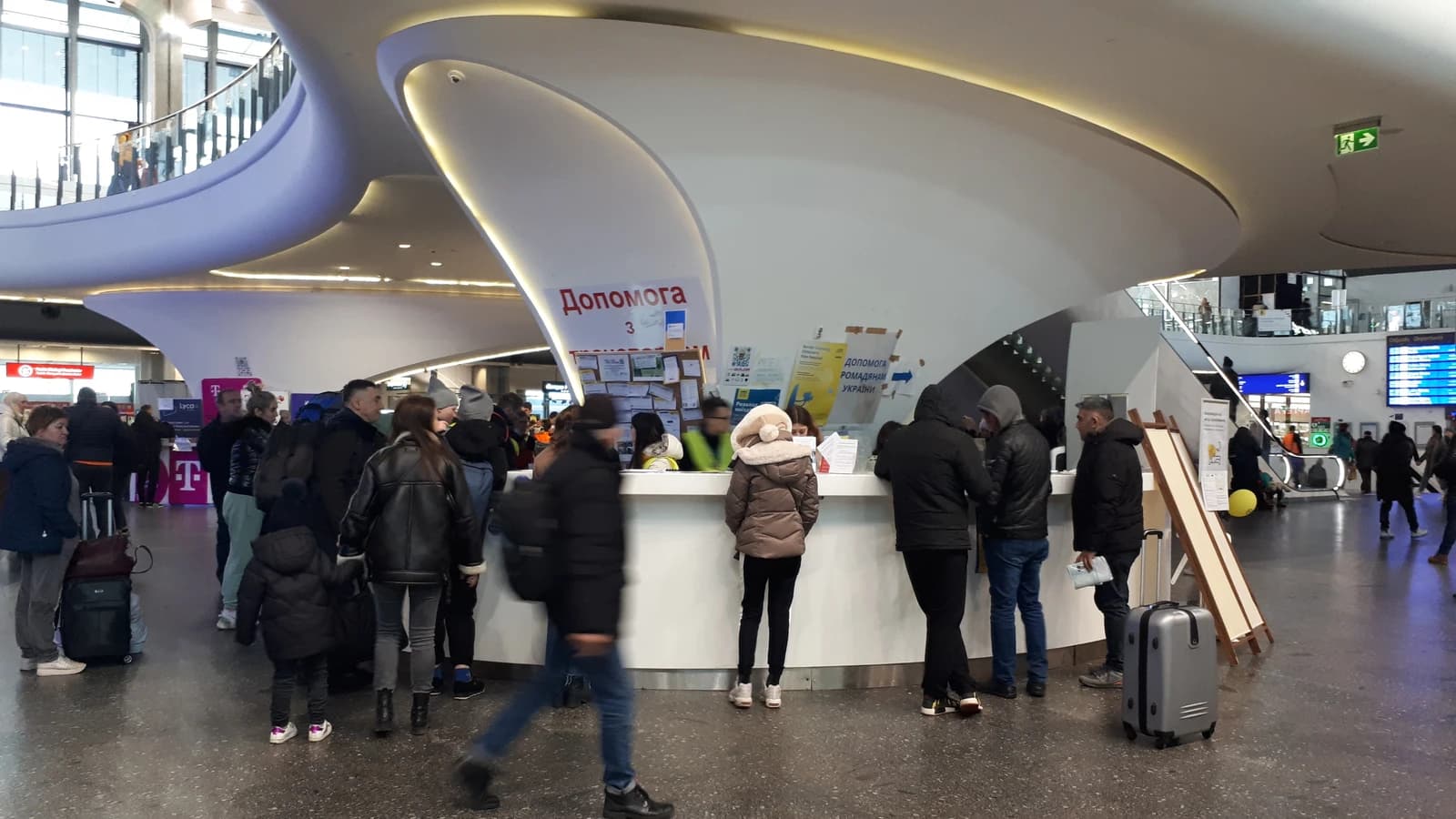
Poland’s role as the main refuge for Ukrainians displaced by the war has become an economic and political factor in its own right, with more than 950,000 Ukrainian citizens holding temporary protection in the country and the migrant presence increasingly feeding through into labor supply, consumption and public policy.
That matters because Poland is no longer just absorbing a humanitarian burden from the conflict next door. It is also relying on Ukrainian workers to support a tight labor market, while cities, landlords and local services absorb the strain of a population shock that has helped buffer growth but raised costs in housing, schools and public administration.

The broader backdrop in Europe is one of tightening borders and more politically charged migration management. EU governments are coordinating more closely on border security after renewed pressure on the bloc’s eastern and southern frontiers, from Belarus-linked crossings in the Baltics to tensions around Ceuta. Against that setting, Poland’s experience stands out: unlike illegal migration surges, the Ukrainian influx is largely legal and temporary, but it is still large enough to shape domestic politics and the balance of the economy.
The labor-market impact is the clearest channel. Poland’s unemployment rate is forecast at just 4.09% in August, near historically low levels, while job openings remain elevated by international standards. That combination means Ukrainian workers can ease shortages in construction, logistics, manufacturing, retail and services. In economic terms, the inflow has helped Poland sustain output without generating the kind of wage bottlenecks that would otherwise appear in a labor-tight economy.
For investors, that supports the case for sectors tied to consumption and domestic activity. Retailers, developers, logistics groups and employers with large blue-collar workforces gain from a deeper labor pool and stronger household demand. The flip side is pressure on housing, utilities and local infrastructure, which can keep rental inflation and service costs elevated. That is a concern for policymakers even if it is not yet a market shock.
The Polish economy is also being watched through the lens of exchange-traded funds and regional exposure. The iShares MSCI Poland ETF, EPOL, has rallied sharply to $43.96, well above its 50-day and 200-day moving averages, while RSI readings above 79 point to a technically stretched move after a strong run. The rally reflects improving sentiment toward Polish assets, but it also leaves the market more sensitive to any sign that migration, fiscal costs or border-security politics start to dent growth or consumer confidence.
There is a longer-term policy question as well. Temporary protection is, by definition, temporary. If the war drags on and more Ukrainians settle deeper into the Polish economy, Warsaw may face pressure to convert ad hoc support into a more durable integration model for work permits, schooling and housing. If returns to Ukraine eventually accelerate, the reverse problem emerges: labor shortages could reappear quickly in sectors that have come to depend on migrant workers.
For now, Poland’s more than 950,000 Ukrainians under temporary protection are best understood as a stabilizer with costs. They help fill jobs and sustain demand, but they also bind Poland more tightly to the trajectory of the war and to the EU’s wider debate over migration, security and burden-sharing.
| Entity | Gains | Losses |
|---|---|---|
| Polish employers | ▲Larger labor pool | ▼Wage bargaining power |
| Ukrainian households in Poland | ▲Safety and legal status | ▼Uncertain long-term settlement |
| Polish retailers and landlords | ▲More customers and tenants | ▼Higher service and housing strain |
| Polish public services | ▲More tax-supported activity | ▼Added budget and capacity pressure |