Poland wage growth slows in August
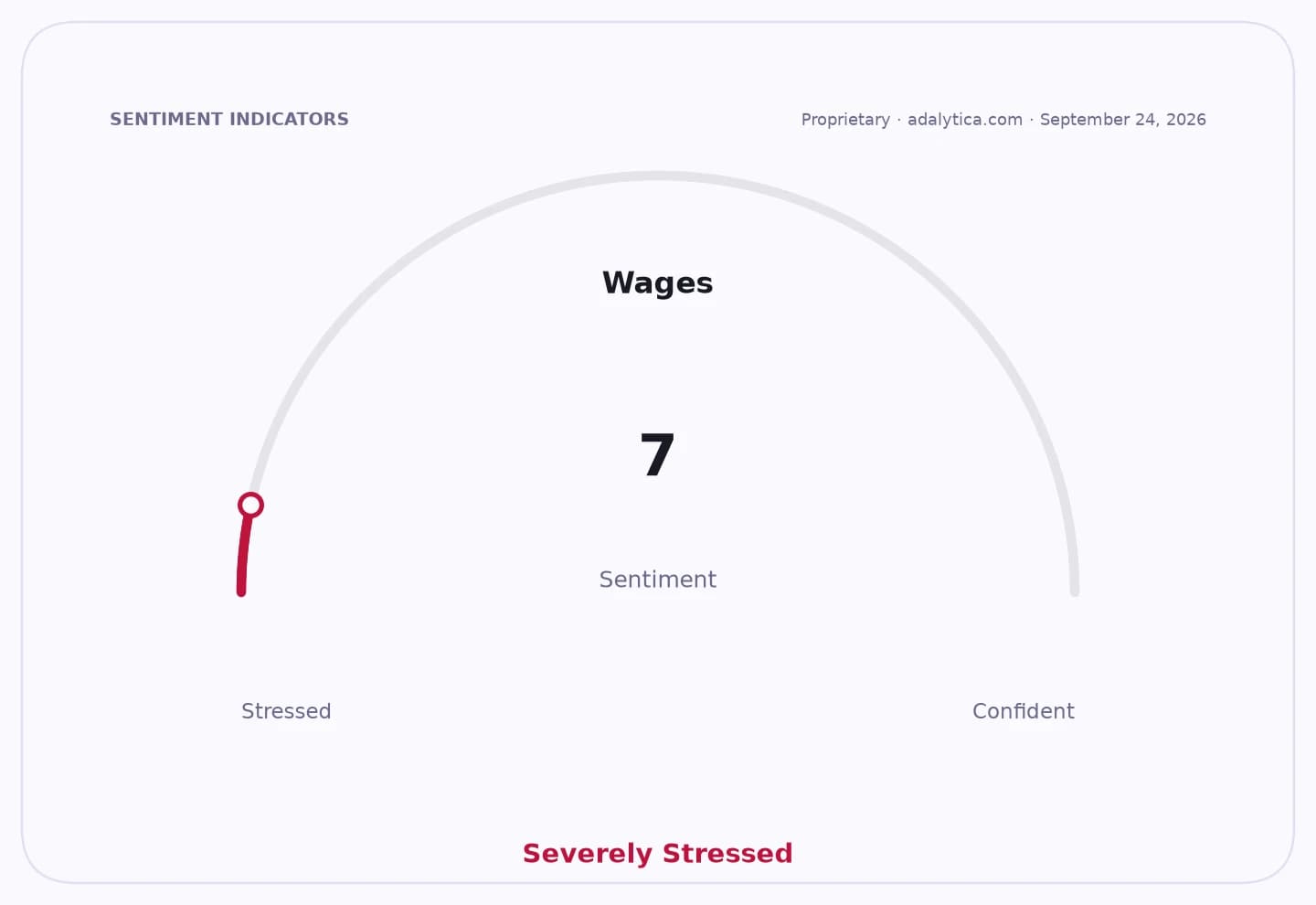
Poland’s wage growth slowed more than expected in August, reinforcing signs that the labor market is losing momentum and giving the central bank more room to keep cutting interest rates.
Average pay rose 5.6% from a year earlier, according to the latest labor data, below the market forecast and down from the pace seen earlier in the year. That matters because wages have been one of the main domestic drivers of inflation in Poland, and a softer reading reduces the risk that pay growth keeps services prices sticky even as overall inflation cools.
For policymakers at the National Bank of Poland, the data support the case that price pressures are becoming less entrenched. If wage gains continue to decelerate, the central bank can argue that inflation expectations are less likely to re-accelerate through a wage-price spiral, making additional monetary easing easier to justify. The market will read the report as another sign that the tight policy cycle is starting to bite.
The broader macro picture is one of a labor market that is still expanding but no longer running hot. Employment held close to stable levels, suggesting the slowdown is not yet a collapse in hiring, but rather a gradual normalization after the post-pandemic surge in pay. That combination is usually disinflationary: slower wages without a sharp rise in unemployment tends to cool consumer demand while avoiding a deeper downturn.
For investors, the immediate implications are for Polish bonds, the zloty and domestically focused equities. Softer wage growth typically supports fixed income by reinforcing the case for lower rates, while it can weigh on currency strength if it leads traders to price a more dovish policy path. Consumer-facing companies may also see margin relief if wage costs moderate, though weaker household income growth can eventually curb spending.
The key question now is whether August marks a one-off slowdown or the start of a more durable trend. If upcoming labor data confirm that wage growth is settling closer to levels consistent with the inflation target, the NBP will have a clearer runway to ease further. If not, wage persistence could keep policy restrictive for longer than markets expect.
| Entity | Gains | Losses |
|---|---|---|
| Polish central bank | ▲More room to cut rates | ▼Less urgency to support growth |
| Polish bondholders | ▲Lower-yield expectations | ▼— |
| Polish consumers | ▲Lower inflation risk | ▼Slower pay gains |
| Domestic employers | ▲Easier wage-cost pressure | ▼Weaker spending demand |