Poland zloty weakens as Fed and ECB bets shift
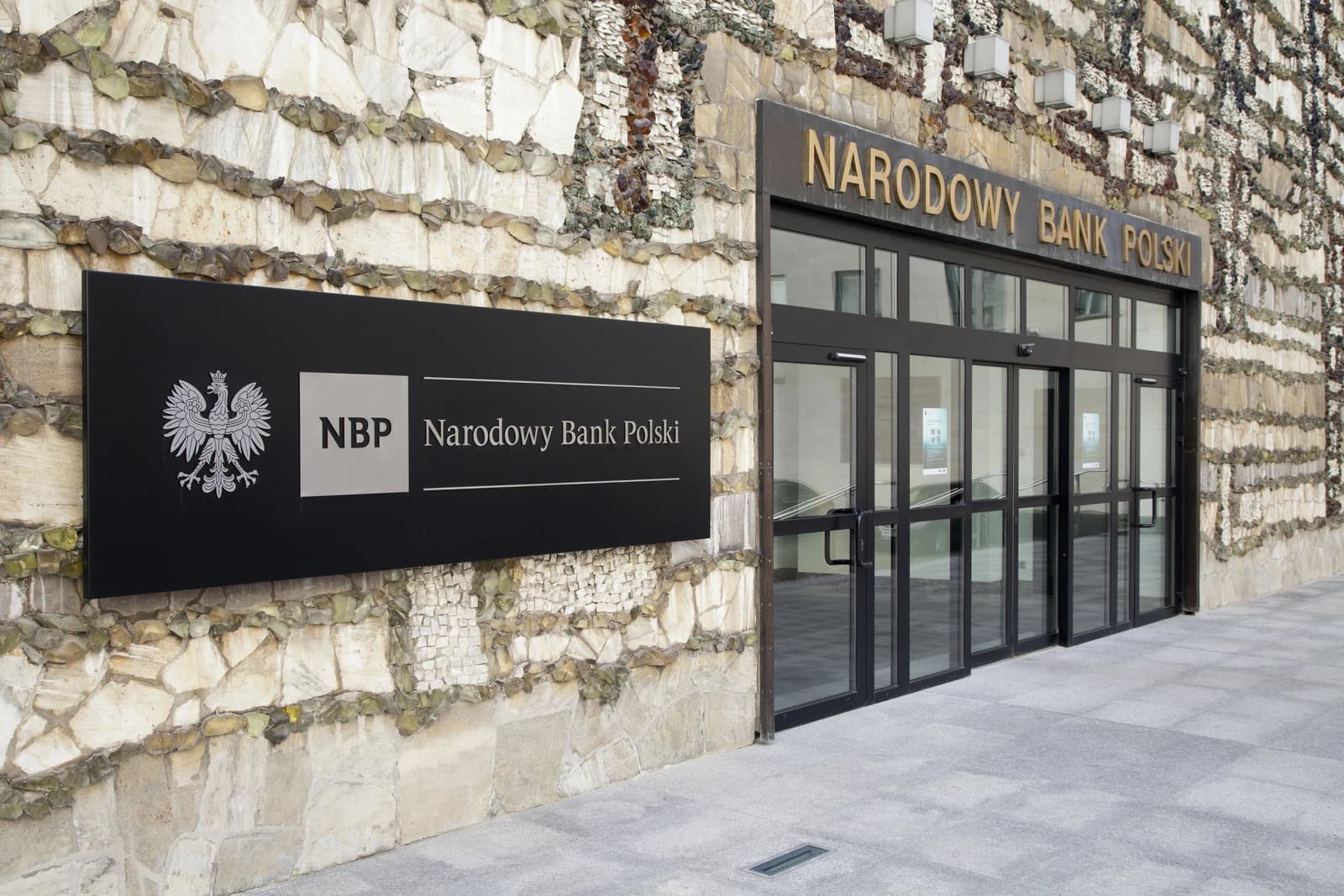
The zloty was weaker on Tuesday, with the National Bank of Poland setting the dollar at 3.7167 zloty, the euro at 4.3155, and the Swiss franc at 4.5788, a move that matters because a softer currency filters quickly into import costs, corporate hedging needs and household borrowing burdens.
The key story is not just that the Polish currency is cheaper today, but that it is doing so against a backdrop of shifting expectations for global central banks. The dollar’s climb back above 3.71 zloty reflects a market that is still willing to buy the greenback even as traders curb bets on another aggressive move by the Federal Reserve on Sept. 16. That suggests the dollar is being supported less by immediate rate differentials and more by residual safe-haven demand and a view that US policy will stay restrictive for longer.
For Poland, that is economically relevant because a weaker zloty can keep imported inflation sticky even if domestic price pressures are easing. Energy, consumer goods and industrial inputs priced in foreign currency become more expensive, while companies with unhedged dollar liabilities or euro-denominated costs face higher margins pressure. Exporters, by contrast, gain some relief, especially those selling into the euro area and billing in foreign currency.
The euro’s steadiness around 4.31 zloty points to a different but related market narrative: investors appear to be positioning for the European Central Bank’s September rate increase to be the last in this cycle. If that view hardens, it limits the euro’s upside even when the currency is not under acute selling pressure. For Polish markets, the euro matters more than any other foreign currency because it is the benchmark for trade, corporate financing and household comparisons.
The franc, meanwhile, remains important for a more specific reason: it is the currency most closely watched by Polish mortgage borrowers with Swiss-franc-linked loans. At 4.5788 zloty, the franc is still elevated enough to keep debt servicing sensitive to exchange-rate swings, even though it has fallen more than 1.35% since the end of August and has slipped back into a broad 4.50-4.58 range. That is a welcome development for borrowers, but it also underlines how quickly relief can reverse if global risk sentiment sours.
Technical indicators point to a market that is stable but not yet convincingly stronger for the zloty. On the euro-zloty pair, the 50-day moving average sits near 4.31, with the price hovering close to that level and RSI readings around neutral territory, suggesting consolidation rather than a trend breakout. The dollar-zloty pair is similarly close to its 50-day average, while the franc remains trapped in a sideways band. Adalytica’s US dollar trade signals show sentiment in “Greed” territory, a reminder that positioning still favors the dollar even after recent gains.
For investors, the immediate implication is that currency risk remains a live input for Polish assets. A firmer zloty would help local bonds and domestic consumers, but today’s fixings point to a market that is still vulnerable to external rate expectations, geopolitical stress and shifts in global risk appetite. The next catalyst is likely to be central bank guidance, especially from the Fed and ECB, which will determine whether the zloty’s recent softness is a pause or the start of a larger repricing.
| Entity | Gains | Losses |
|---|---|---|
| Polish exporters | ▲Higher foreign-currency revenues | ▼Higher imported input costs |
| Polish importers | ▲None | ▼More expensive purchases |
| Swiss-franc borrowers | ▲Slight debt relief | ▼Still exposed to FX swings |
| Dollar holders | ▲Stronger buying power in PLN terms | ▼Polish consumers and local buyers |