Polish zloty, bonds eyed ahead of Fed decision
The Polish zloty is stuck in a holding pattern ahead of the Federal Reserve’s decision, while longer-dated government bond yields remain pinned to one thing investors know can move fast and hurt: oil.
That is the real market story here. For investors, the Fed matters because it sets the tone for the dollar, global risk appetite and Treasury yields. But in Poland, the more immediate brake on any meaningful rally in bonds is the energy backdrop. As long as oil stays elevated and tensions in the Middle East remain unresolved, the long end of the Polish yield curve is unlikely to fall much, even if the Fed sounds less hawkish than markets fear.
Economists at BGK said they do not expect the FOMC meeting to have a strong impact on the domestic currency. Their base case is a relatively dovish message from the Fed — either no rate hike or a gentle tightening signal, including a flat dot plot. In that scenario, they see EUR/PLN easing only slightly toward 4.33. Strategists at PKO BP were a bit more specific, saying a lack of clearly hawkish rhetoric could trim expectations for further Fed hikes and push EUR/PLN and USD/PLN below 4.34 and 3.74, respectively.
For investors in Polish fixed income, that is welcome but not enough. The finance ministry is set to auction 7 billion to 10 billion zlotys of bonds, 2 billion less at the top end than in its monthly plan. A solid result could calm the secondary market, especially if demand is strong and investors do not ask for much extra compensation for the weaker global backdrop.
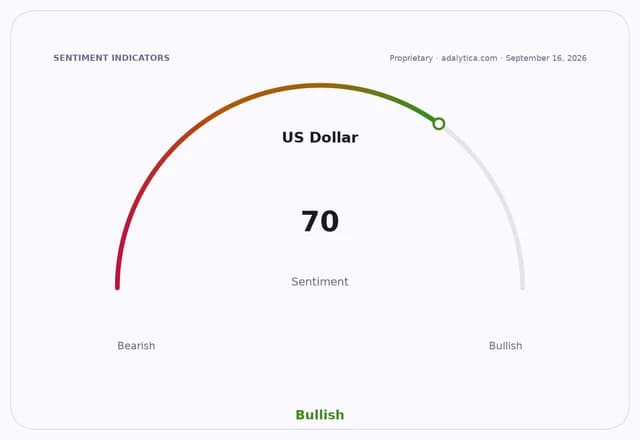
Still, the bigger challenge is that the market has already moved to price a much steeper Fed path. Investors now assign roughly a 90% probability to a 25-basis-point hike in September and about 70 basis points of additional tightening by October 2027. If the Fed pushes back against that view, Treasuries could catch a bid and global fixed income sentiment would improve. But even then, PKO BP cautioned, a lasting recovery in bonds depends on a clear drop in oil prices and de-escalation in the Middle East — and there are no convincing signs of that yet.
BGK said a fall in the yield on Poland’s 10-year government bonds toward 6.00% would require a strong signal from core markets first. For now, those benchmark markets are, in its words, “hostage” to energy prices. The bank sees scope for the long end to drift to 6.30%-6.35%, but deeper declines in yields look limited for the time being.
That leaves investors with a fairly straightforward takeaway: the Fed could provide short-term relief for the zloty and Treasuries, but oil is still the variable that will decide whether Polish bonds can stage a more durable rally. For long-term investors, that argues for patience, diversification and a focus on assets with real cash flow rather than trying to call every move in rates. The opportunity is there if energy markets cool — but until they do, this remains a market to watch, not chase.
| Entity | Gains | Losses |
|---|---|---|
| Polish bond buyers | ▲Slightly cheaper yields | ▼Limited upside if oil stays high |
| Polish government debt sellers | ▲Strong auction demand | ▼Higher borrowing costs if demand weakens |
| Zloty bulls | ▲Softer Fed tone | ▼Oil-driven inflation pressure |
| Treasury bulls | ▲Dovish Fed relief | ▼Middle East risk and sticky energy prices |