Political instability pressures sovereign yields

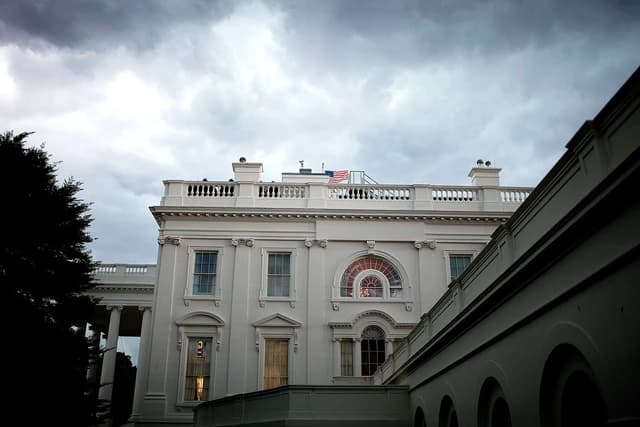
The White House is signaling confidence that Burnham’s cabinet will not survive long, a view that underscores how quickly the government’s latest reshuffle is colliding with a widening dispute over spending cuts and fiscal control.
That matters because cabinet instability is now feeding directly into policy risk. A ministerial shake-up can buy time, but it does not resolve the core tension: pressure to trim spending while keeping the coalition intact. If the cabinet fractures, it could slow budget execution, delay promised reforms and weaken investor confidence in the government’s ability to deliver a coherent fiscal plan.
Markets are already sensitive to that backdrop. The 10-year government bond yield has climbed to 4.67%, up from 4.6% on July 20 and 4.63% a day later, with the latest forecast pointing to 4.688%. Rising yields suggest investors are demanding more compensation for holding sovereign debt at a time when political durability is in question.
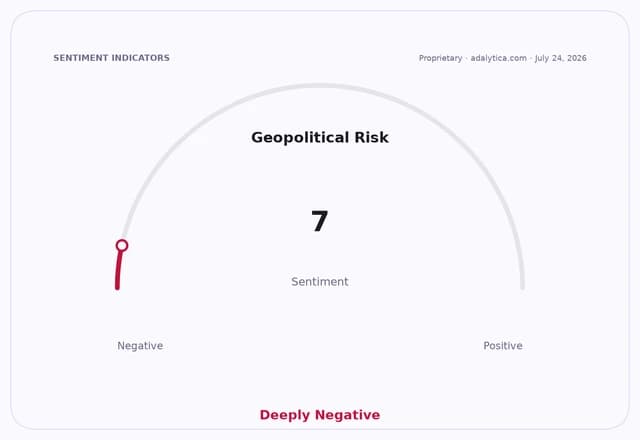
At the same time, Adalytica’s Global Stability Sentiment gauge shows “Extreme Fear” at 7, even as awareness remains “Extreme Greed” at 86. The split implies markets are watching the crisis closely but have not yet fully priced a prolonged breakdown, leaving room for sharp moves if resignations accelerate or fiscal talks stall.
The immediate catalyst is the cabinet’s recent approval of a reshuffle meant to improve government efficiency, alongside efforts to bolster support for returnees and ratify key pacts. But the more important issue is whether those steps can survive the next round of internal pressure over cuts, appointments and the federal government’s formation.
For investors, the risk is not just political churn but policy drift: a weaker cabinet can mean slower decision-making, higher borrowing costs and more volatility across local rates and the currency. The next test is whether the government can hold together long enough to turn the reshuffle into a stable fiscal agenda rather than another prelude to collapse.
| Entity | Gains | Losses |
|---|---|---|
| White House | ▲Leverage over Burnham | ▼If cabinet collapses |
| Bondholders | ▲Higher yield compensation | ▼Price volatility |
| Reform supporters | ▲Faster reshuffle action | ▼Policy delays |
| Burnham’s cabinet | ▲Short-term breathing room | ▼Long-term stability |