Portugal Inflation Eases to 2.1% in February
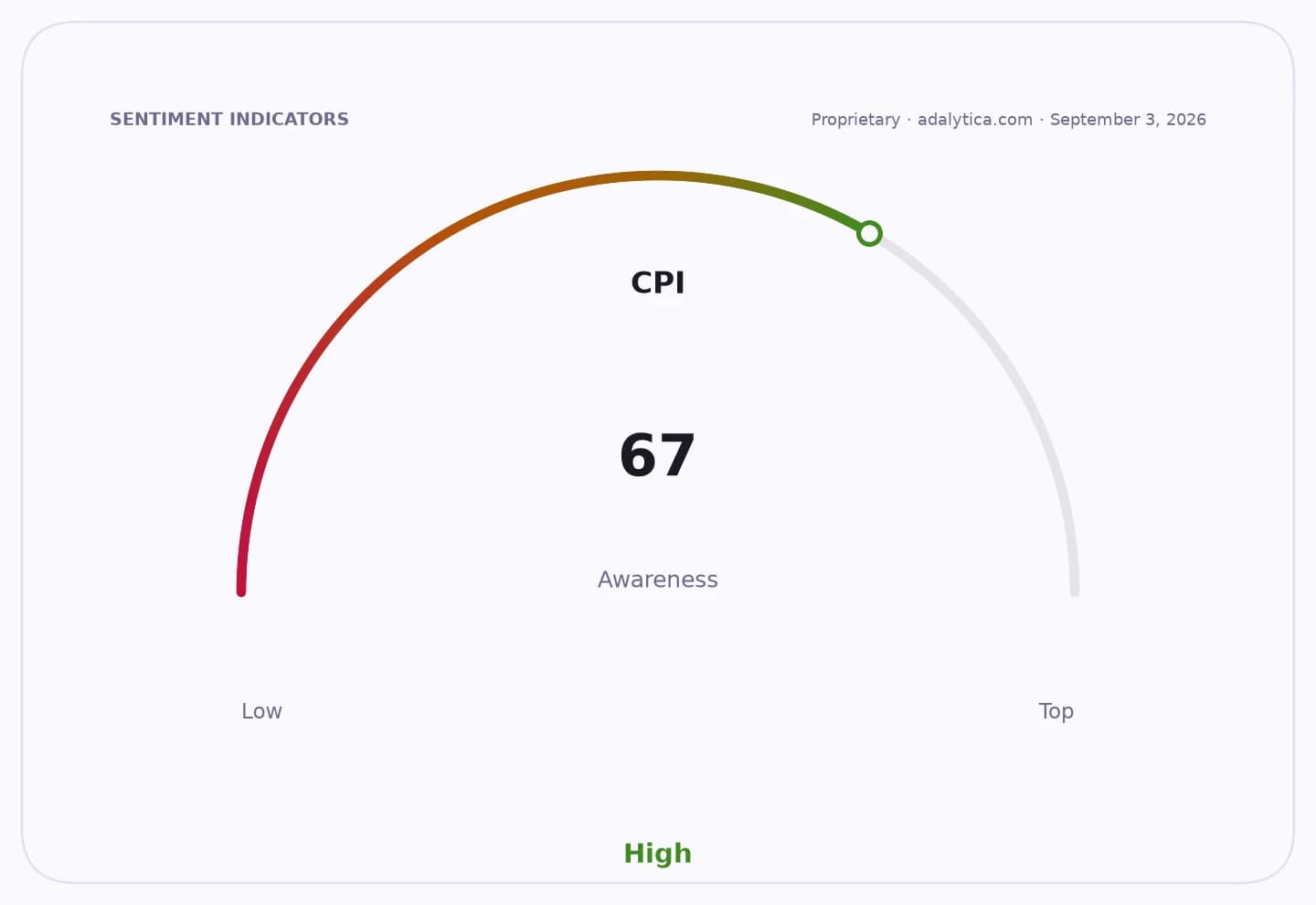
Portugal’s inflation eased to 2.1% in February, a reminder that price pressures are still cooling overall even as energy costs start to bite again.
That matters because inflation near the European Central Bank’s 2% target gives policymakers more room to keep rates on hold after a sharp tightening cycle, but it also shows the path back to stable prices is not perfectly smooth. The National Statistics Institute said the consumer price index rose 2.1% from a year earlier, down 0.2 percentage points from January. On a monthly basis, prices increased just 0.1%, after being flat in January.
The bigger story for investors is that the underlying picture also softened. Core inflation, which strips out food and energy, slowed to 2.2% from 2.4% in January. That is the sort of reading that helps convince central bankers that inflation is moving in the right direction, even if some volatile categories are still noisy.
At the same time, the details were mixed. Energy inflation jumped to 4.3% from 0.2% the month before, while prices for unprocessed food fell sharply to 0.8% from 3.1%, partly because of a base effect from last year’s jump. In other words, Portugal is not seeing a fresh inflation surge across the board; it is seeing a few components move around inside a broader disinflation trend.
That combination matters economically because it supports household purchasing power and gives businesses a more predictable backdrop for wages, pricing and investment. It also matters for bonds and rate-sensitive assets across Europe. A steadier inflation path generally supports expectations that the ECB can avoid another round of aggressive hikes, which tends to be constructive for longer-duration assets and for sectors that depend on cheaper capital.
For investors in Portuguese names, the takeaway is less about a single monthly print and more about the direction of travel. Lower inflation tends to help consumer spending over time, while also easing pressure on financing costs for companies and the sovereign. The risk, of course, is that energy volatility can interrupt that progress quickly, and February’s stronger energy reading is a reminder that inflation won’t fall in a straight line.
Portugal’s 12-month average inflation estimate also dropped to 3.3% from 3.8%, and the harmonized euro-area measure eased to 2.3% from 2.5%. Final February data are due on March 12, but the message is already clear: Portugal is moving closer to price stability, and that is the sort of macro backdrop long-term investors should want to see. It is worth keeping on the watchlist.
| Entity | Gains | Losses |
|---|---|---|
| Consumers | ▲More purchasing power | ▼Less urgency to cut spending |
| ECB policymakers | ▲Easier inflation backdrop | ▼Less room for surprise hikes |
| Borrowers | ▲Better rate outlook | ▼Energy-price volatility |
| Energy sellers | ▲Higher pricing power | ▼Broad disinflation trend |