Portugal mortgage lending rises on new borrowing
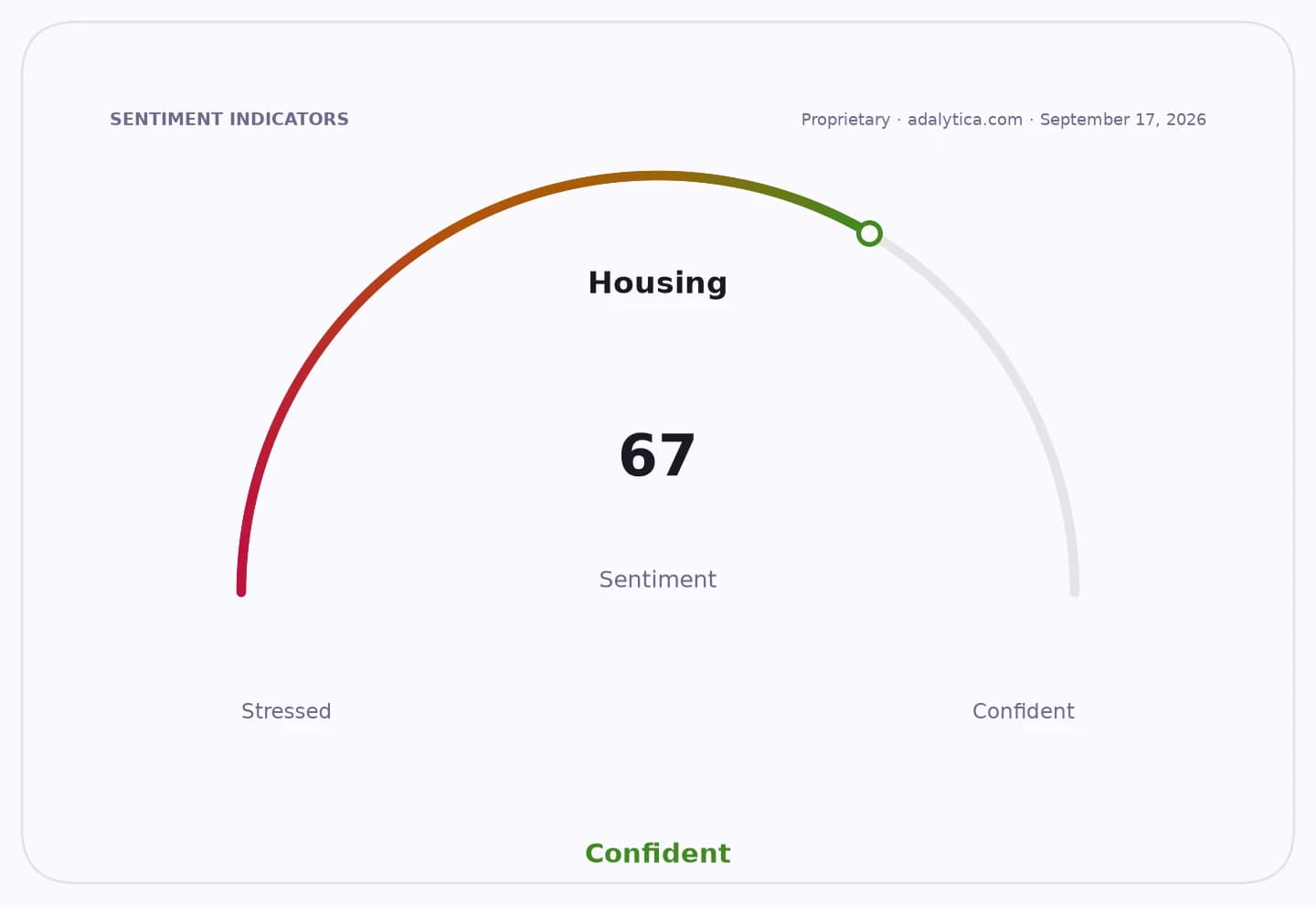
Portugal’s housing credit market accelerated in July to its strongest level of 2026, but the bigger story for lenders and investors is that refinancing is being displaced by genuinely new borrowing, a sign that demand for home purchases remains resilient even as rates stay elevated.
New mortgage contracts reached 2.836 billion euros in July, the highest monthly total this year, while regular lending excluding renegotiations climbed to 2.342 billion euros, above 2 billion euros for a fifth straight month, according to Simplefy. At the same time, renegotiations dropped to 17.43% of activity, the lowest share on record, marking a structural shift away from rate repricing and toward fresh housing acquisition.
That matters economically because it suggests the mortgage market is being driven less by households trying to lower existing payments and more by ongoing demand for property purchases. In a higher-rate environment, that is a strong signal for residential real estate activity, household formation and bank loan growth. It also indicates that the housing market remains supported by supply-demand imbalances and rising valuations rather than by temporary refinancing waves.
The mix of contracts underscores that resilience. Mista-rate loans accounted for 85.88% of new agreements, a record high, as borrowers continued to choose products that offer an initial period of more predictable payments before rates reset. Variable-rate loans fell to historic lows and fixed-rate mortgages remained marginal, showing that Portuguese households still prefer some protection from rate volatility without locking in full fixed pricing.
The average rate on new mortgages rose to 2.95%, but that has not derailed demand. Instead, lenders appear to be competing for purchase-linked business while borrowers adapt to a market where the European Central Bank’s policy rate remains at 2.40% and six-month Euribor is around 2.56%. The implication for banks is that origination volumes may stay firm even if spreads tighten and the repricing cycle becomes less important.
The housing backdrop is also supportive. Bank appraisals reached a record 2,240 euros per square meter in July, up about 15.2% from a year earlier, with apartments at 2,627 euros and houses at 1,606 euros. Stronger valuations tend to reinforce collateral quality and can sustain lending appetite, though they also raise affordability concerns and may deepen pressure on first-time buyers.
Simplefy said its broker network continued to gain share, with market penetration rising to 12.93% in July, another high. That points to a continued shift in distribution toward intermediated lending, which may help lenders scale volumes but also heightens the importance of broker oversight after recent scrutiny of mortgage-related refinancing practices.
For investors, the key question is whether this represents durable demand or a late-cycle housing stretch fueled by still-favorable employment and confidence. Portugal’s economy is holding up, with GDP growth at 2.5%, unemployment at 5.3% and consumer confidence at its best since early 2026, which argues for near-term support. The bear case is that higher borrowing costs and stretched prices eventually bite, slowing transaction volumes and pressuring affordability.
For now, the data point to a mortgage market that is expanding on the back of genuine housing demand, not just refinancing churn. That is constructive for Portuguese lenders, mortgage brokers and housing-linked assets, but it also suggests the market is leaning more heavily on income growth and confidence to keep the cycle going.
| Entity | Gains | Losses |
|---|---|---|
| Portuguese banks | ▲Higher origination volumes | ▼Less refinancing fee income |
| Mortgage brokers | ▲Greater market share | ▼Scrutiny on broker practices |
| Homebuyers | ▲More credit access | ▼Higher borrowing costs |
| Existing borrowers seeking renegotiation | ▲— | ▼Record-low refinancing share |