Portugal Shares Rise as Brent Holds Near $95

Portuguese shares opened higher as Brent crude held near $95 a barrel, with investors pricing in a greater risk of supply disruption after fresh U.S.-Iran attacks rattled energy markets and lifted oil-linked equities.
The move matters because oil at these levels acts as both a tax on consumers and a windfall for producers, shifting expectations for inflation, central banks and corporate earnings. For import-dependent European economies such as Portugal, a sustained spike in crude can quickly feed into fuel costs, transport margins and broader price pressures, while energy exporters and integrated oil groups benefit from higher realized prices.
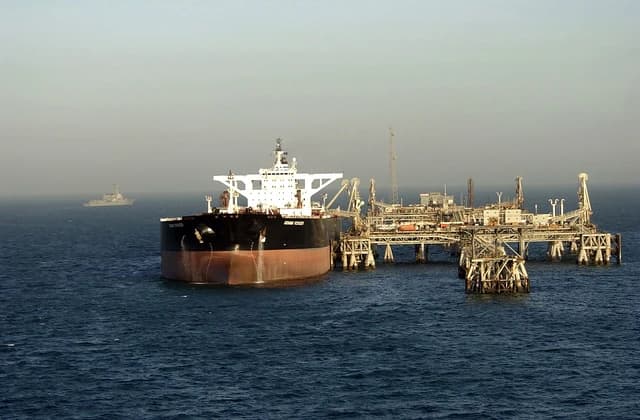
Brent futures traded around $94.4 a barrel on the latest session, after touching $94.65, extending a run that has kept the benchmark well above its 50-day moving average of $85.3 and 200-day average of $83.5. U.S. crude was just under $90 a barrel. The technical backdrop suggests the rally is not just a short-lived headline move: Brent’s RSI reading of 66.8 points to firm momentum, while price remains near the upper end of its recent Bollinger Band range.
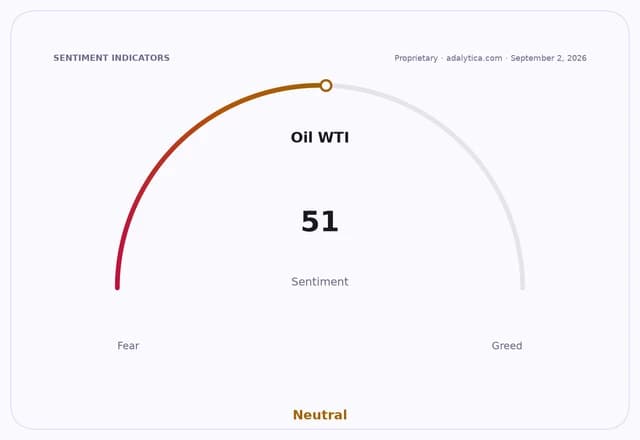
The geopolitical premium has also shown up in market sentiment. Adalytica’s Global Stability Sentiment slipped to 44, its neutral zone, after a sharp seven-day decline, while its oil trade signal showed extreme awareness at 92, reflecting how quickly traders have re-priced Middle East risk. That matters because any escalation that affects shipping routes or regional production would tighten an already sensitive market.
The broader macro backdrop is less forgiving for risk assets. The U.S. 10-year Treasury yield has climbed to 4.75%, underscoring a market still wrestling with sticky financing costs even as oil rises. That combination can pressure equity valuations: higher energy costs can squeeze consumers, while elevated yields make defensive cash flows more attractive and raise the discount rate on growth stocks.
For investors, the immediate winners are crude producers, refiners and oil-service names, along with markets exposed to energy exports. Losers are airlines, industrials, retailers and other fuel-intensive sectors, especially in economies where imported energy feeds quickly into margins and inflation. If the U.S.-Iran standoff eases, Brent could give back part of the risk premium; if attacks continue or widen, the market will likely test how much demand destruction the world economy can absorb before the rally runs into macro resistance.
| Entity | Gains | Losses |
|---|---|---|
| Oil producers | ▲Higher realized prices | ▼None immediately |
| Refiners / airlines | ▲None | ▼Higher input costs |
| Portuguese equities with energy exposure | ▲Index support | ▼Broader consumer-linked stocks |
| Consumers / importers | ▲None | ▼Fuel and inflation pressure |