Portugal tourism faces year-end margin pressure
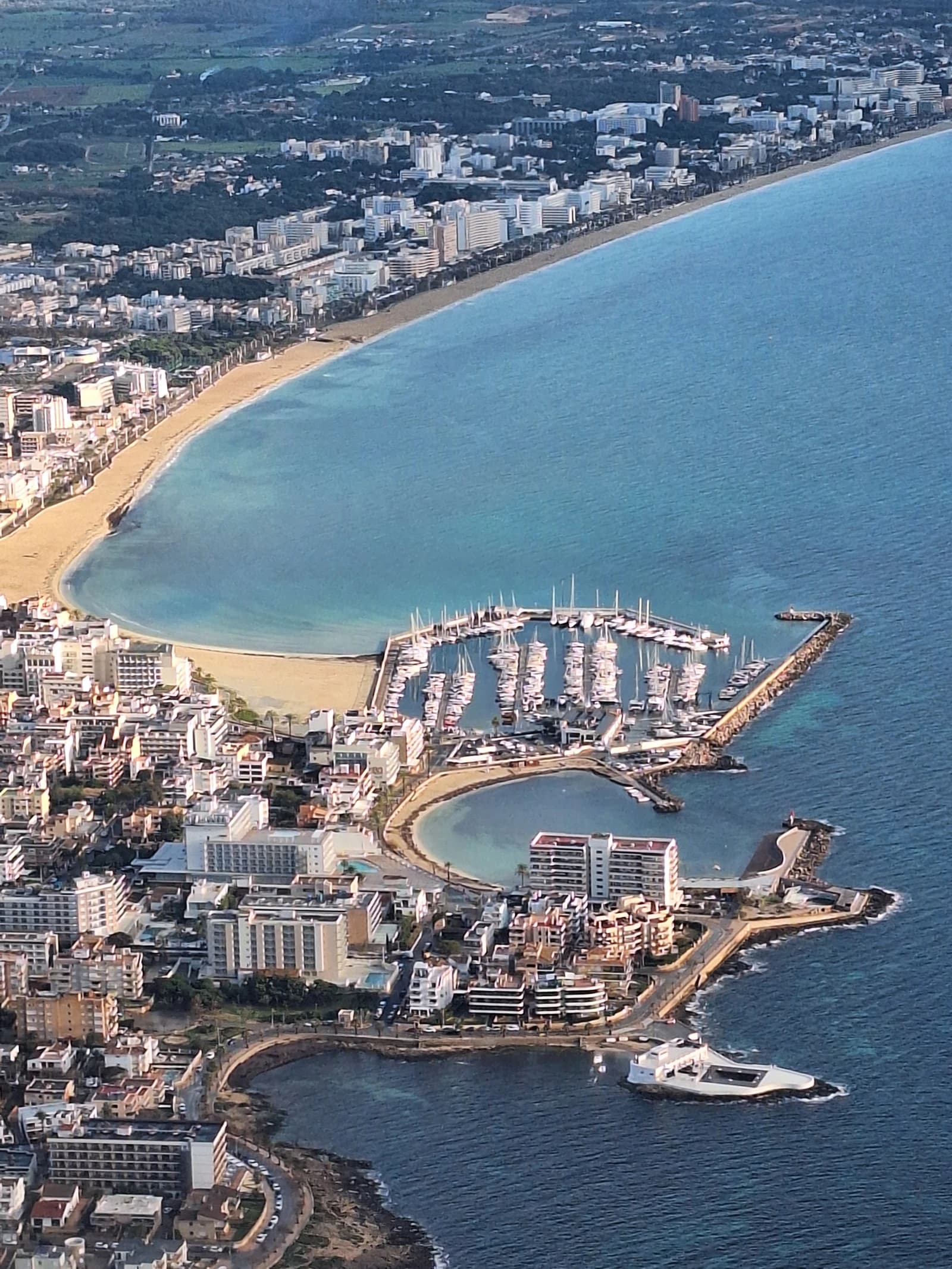
Portugal’s economy is facing a tougher year-end than the headline strength of tourism suggests, as higher energy costs, weaker global travel growth and uneven spending are starting to hit hotels, hospitality and commerce.
That matters because Portugal is one of Europe’s most tourism-dependent economies, and when travel demand slows, the drag quickly spreads from airlines and hotels to restaurants, retailers and small businesses that rely on visitor spending. The risk is not a collapse in activity but a widening gap between full properties in some destinations and declining margins across the broader service economy.
The backdrop is becoming less forgiving. The UN has cut its forecast for international tourist arrivals growth in 2026 to just 1% to 2%, citing geopolitical tensions in the Middle East and rising travel costs. For countries like Portugal, that creates a problem not just of lower volume, but of weaker pricing power just as operating expenses remain elevated. Energy is one of the biggest pressure points, and it feeds directly into transport, heating, food services and accommodation costs.
That is why investors should pay attention even if beach resorts still look busy. Tourism stocks and consumer-facing businesses can mask margin stress until the off-season exposes it. In Spain’s Alicante region, hotels have reported full occupancy, yet industry losses of as much as 30% have been flagged in tourism, hospitality and commerce, a reminder that volume alone does not guarantee profit. Portugal faces a similar risk profile: resilient top-line activity, but fragile economics underneath.
The market implication is straightforward. The beneficiaries are the operators with pricing power, energy efficiency and diversified revenue streams. The losers are the businesses tied to discretionary travel and thin margins, where every increase in utility bills, financing costs or airfare bites harder. For investors, that argues for favoring infrastructure, energy efficiency, payment systems and selected high-quality consumer names over the lowest-cost hospitality plays.
The broader narrative is that Europe’s tourism rebound is entering a more selective phase. Demand is no longer the only variable; cost discipline, sustainability and regional positioning are becoming just as important. For Portugal, that means policymakers and businesses will need to protect competitiveness if they want tourism to keep carrying the economy rather than merely keeping it afloat.
| Entity | Gains | Losses |
|---|---|---|
| Energy-efficient hotel operators | ▲Lower operating costs | ▼Less efficient rivals |
| Tourism-heavy Portuguese regions | ▲Visitor flow resilience | ▼Margin pressure |
| Consumers/travelers | ▲More choice on pricing | ▼Higher travel costs |
| Hotels, hospitality, commerce | ▲Some occupancy support | ▼Higher energy and input costs |