Portugal Wage Talks Could Lift Minimum Pay Again
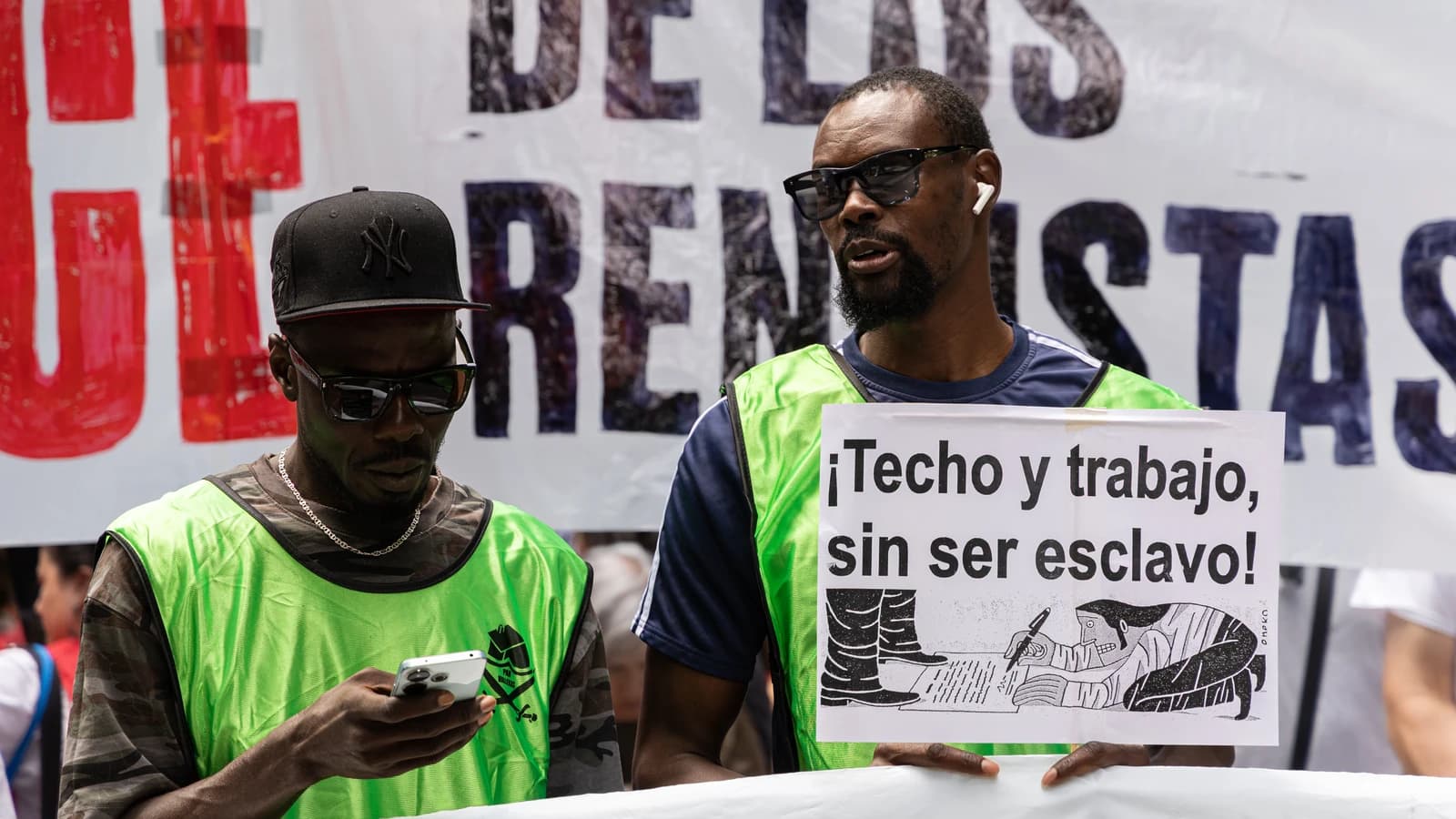
Portugal’s 970-euro minimum wage is likely to become the floor, not the finish line, as the government, unions and employers reopen talks that will shape labor costs, consumer demand and corporate margins into 2027.
That matters because wage-setting in Portugal is not just a social contract issue; it is a macro variable. A higher minimum wage feeds directly into household income at the lower end of the pay scale, supporting consumption, but it also raises the cost base for retailers, restaurants, logistics firms and other labor-intensive businesses already operating on thin margins. The debate now is whether productivity and investment can keep pace with pay, or whether companies absorb the squeeze through lower margins, pricing power or slower hiring.
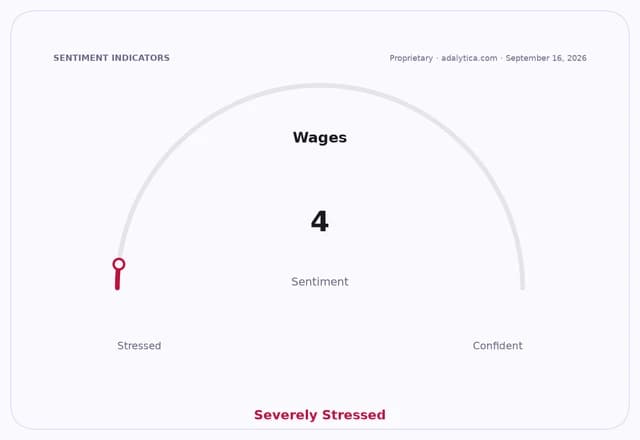
The current deal, signed in October 2024 by the government, the UGT and four business confederations, calls for the minimum wage to rise from 920 euros to 970 euros in 2027 and to 1,020 euros in 2028. The government says it will honor that agreement unless a new deal is reached. But unions are pressing for more. The UGT has said there is room for a move to 1,000 euros next year, while the CGTP is demanding 1,100 euros in 2027 and broader wage increases of at least 15%, or 150 euros, for other workers.
Employers are resisting. The main business confederation says productivity gains have not been strong enough to justify going beyond 970 euros, while commerce and services groups warn that a sharper rise in the floor without matching gains across the wage structure could compress pay differentials and add pressure to staffing costs. For investors, that is the key fault line: if wage growth outruns productivity, the winners are households and consumer-facing sectors with pricing power, while the losers are low-margin employers that cannot pass costs on.
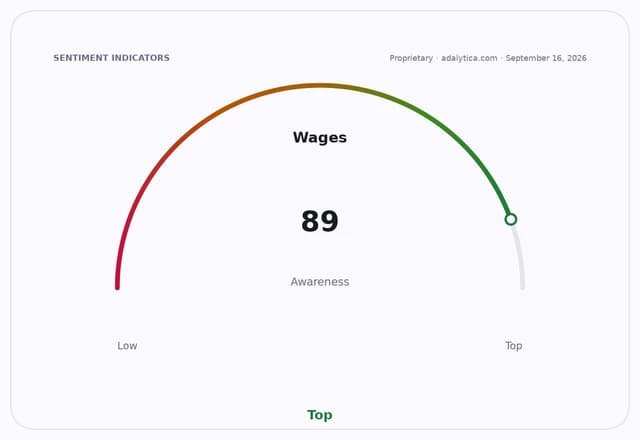
The timing raises the stakes. Finance Minister Joaquim Miranda Sarmento is also due to present information on the 2027 state budget, tying wage policy to tax, incentives and broader labor measures. At the same time, the government is under pressure to transpose the EU’s pay-transparency rules, which would increase disclosure obligations and give jobseekers more information on pay before accepting offers.
That second track matters because it could change labor-market bargaining power as much as the minimum wage debate itself. More transparency tends to narrow information gaps, strengthen worker leverage and expose pay compression inside companies. For investors, it means wage inflation could become more visible and more difficult to manage quietly, especially in sectors with large frontline workforces.
My view is that the market underestimates how quickly this can cascade into earnings. Portugal’s labor policy debate is really a margin debate disguised as social dialogue. If the government and social partners settle near 970 euros, listed employers with heavy domestic exposure get relief. If unions win a larger increase, the pressure shifts to pricing, productivity investment and automation — and that creates an opportunity in the picks-and-shovels of labor efficiency, from software to workflow automation and self-service technologies.
The next catalyst is whether this meeting reopens the 2027 wage pact or merely confirms it. If talks move toward 1,000 euros or beyond, investors should expect a wider repricing of Portuguese consumer and service-sector earnings. If 970 euros holds, employers get breathing room — but the broader move toward wage transparency still points to a more inflation-conscious, worker-favorable labor regime over time.
| Entity | Gains | Losses |
|---|---|---|
| Workers / unions | ▲Higher pay floor | ▼Slower wage gains if deal sticks |
| Employers / retailers / services | ▲Cost certainty at 970 euros | ▼Margin pressure if wage floor rises |
| Government | ▲Social stability, budget control | ▼Political risk if talks fail |
| Automation / HR software providers | ▲More demand for productivity tools | ▼Fewer gains if labor costs stay contained |