Premier League Transfer Spending Hits Record High
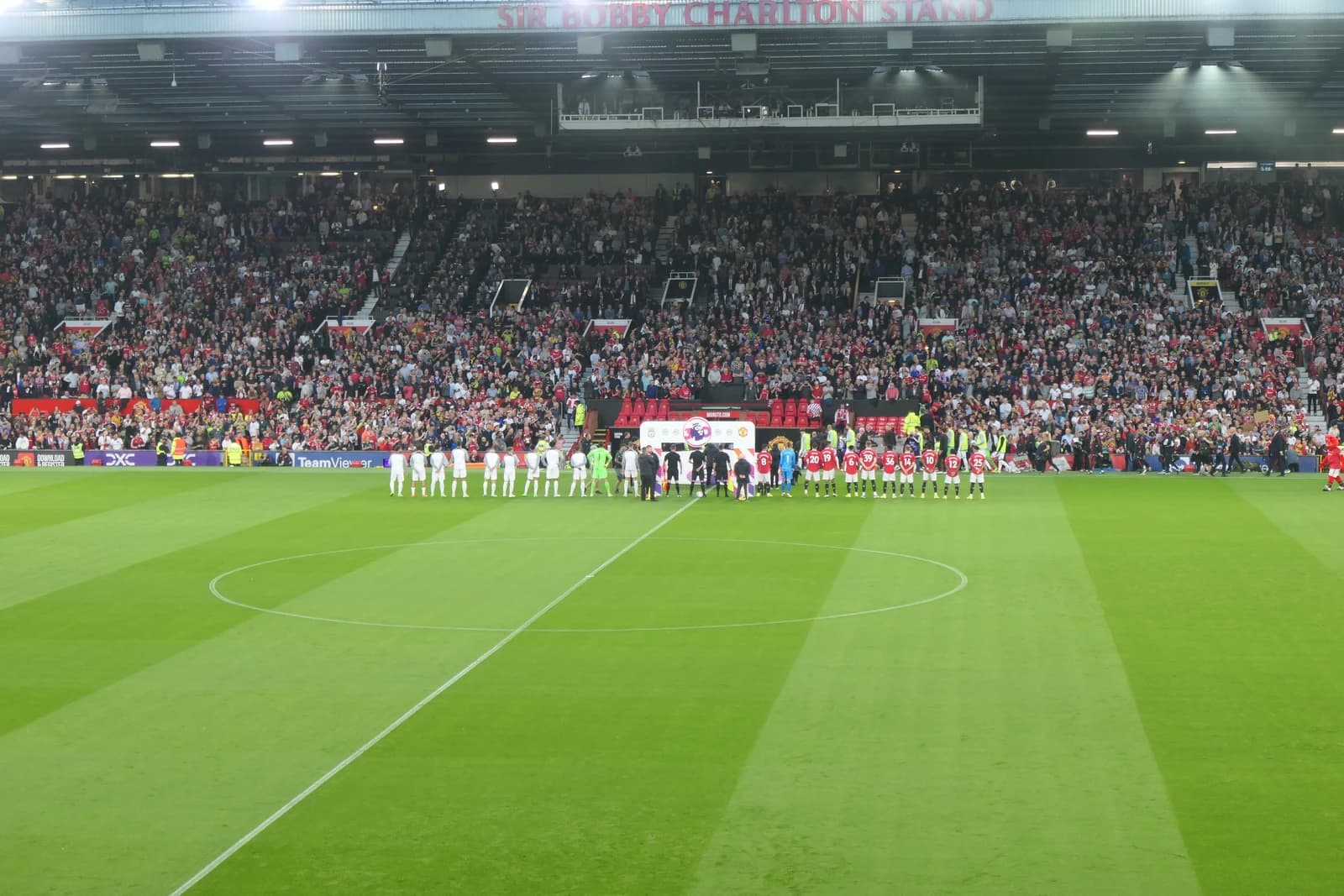
Premier League clubs are set to smash the league’s transfer-spending record, extending a cash-fuelled arms race that is reshaping football finances and drawing scrutiny from investors in clubs, broadcasters and sponsors.
The surge matters because transfer outlays have become a direct barometer of top-flight revenue power, with the richest clubs using TV money, commercial income and owner support to lock in talent while smaller sides struggle to keep pace. That dynamic can widen the gap inside the league, lift wages across Europe and increase pressure on clubs to monetize global fan bases faster.
Manchester United remains one of the most closely watched listed names tied to the market’s football thesis. Its shares have climbed to $21.22 from $15.78 in December, but the stock has slipped below its 50-day moving average and its RSI has cooled to 43.9, suggesting momentum is fading even as investors keep one eye on the club’s spending, stadium plans and debt load.
United’s June debt move, including $550 million of 5.36% senior secured notes, underscores how elite football spending increasingly runs alongside refinancing and infrastructure investment. The Old Trafford regeneration project, which management says could add more than £7 billion a year to the UK economy, is another reminder that club valuations are now tied as much to real estate and brand monetization as to results on the pitch.
The broader market backdrop remains mixed. The S&P 500, as tracked by Adalytica.com, shows neutral sentiment but extreme fear on awareness, a sign investors are still quick to punish expensive discretionary stories when risk appetite weakens. Disney and Amazon, both exposed to sports rights, media spending and live-event demand, are also in focus as football’s escalating economics feed through to broadcasting, streaming and advertising negotiations.
For investors, the key question is whether record transfer spending translates into better on-field performance and stronger commercial returns, or simply higher fixed costs and tighter margins. The next catalysts are the closing days of the transfer window, Manchester United’s execution on its stadium and financing plans, and any fresh pressure on media and sponsorship budgets if football’s spending spree keeps accelerating.
| Entity | Gains | Losses |
|---|---|---|
| Premier League elite clubs | ▲Talent depth, global reach | ▼Cost discipline |
| Smaller Premier League clubs | ▲Higher TV value over time | ▼Competitive balance |
| Manchester United | ▲Brand visibility, squad upside | ▼Cash flow, leverage flexibility |
| Broadcasters/sponsors | ▲Premium inventory, audience demand | ▼Margin pressure if costs rise |