Procter & Gamble says its beauty business helped drive fiscal 2026 sales higher even as the consumer giant marked 70 straight years of dividend increases, underscoring the cash-generation machine behind one of Wall Street’s most durable income stocks.
Procter & Gamble beauty sales rise 7% to $16.0 billion

The update matters because beauty is one of the few parts of the company’s portfolio still capable of delivering meaningful growth while P&G balances slower categories, cost pressures and a still-cautious consumer. For investors, the combination of resilient top-line expansion and a dividend record that now spans seven decades keeps the stock squarely in the lane of defensive large-cap cash flow, even after a volatile run in the shares.
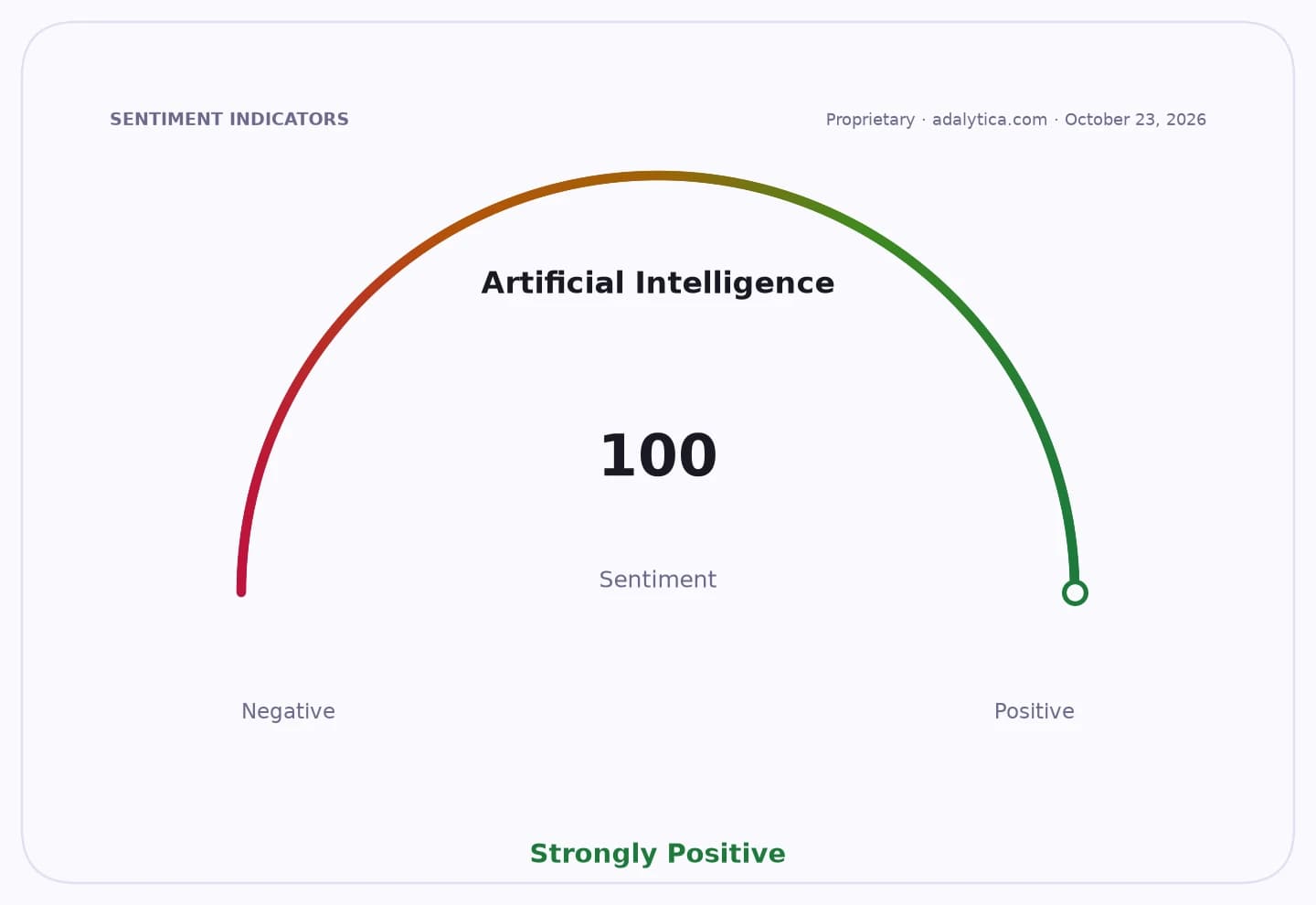
Sentiment IndicatorsⓘProprietary · adalytica.com · August 10, 2026
This is a snapshot — live sentiment, awareness and momentum for 130+ markets update continuously in the dashboard.Open AlphaPulse
In its latest annual filing, P&G said beauty net sales rose 7% to $16.0 billion in fiscal 2026, helped by 4% unit volume growth, 2% favorable foreign exchange and higher pricing. The segment also remained a major profit engine, generating $2.67 billion in net earnings, even as margins narrowed 140 basis points to 16.7%.
That mix helps explain why the stock has held above its 50-day moving average and 200-day moving average in recent sessions, with the shares trading around $145.62 on Aug. 10. The technical backdrop is mixed rather than euphoric: relative strength index readings near 46 suggest momentum has cooled from earlier highs, while the MACD remains below its signal line, pointing to a stock that has steadied rather than broken out.
The dividend milestone is a separate but equally important signal for income-focused holders. P&G said it has paid a dividend for 136 consecutive years and raised it for 70 straight years, a record that reinforces its status as a core defensive holding for pensions, funds and retail investors seeking dependable payouts.
The broader consumer-staples picture is also supportive. Estée Lauder and Unilever have both been leaning on prestige and premium beauty to offset uneven demand elsewhere, while P&G’s scale, pricing power and household-brand mix make it less dependent on a single growth engine. That matters if consumer spending softens again, because beauty can cushion the portfolio without forcing the company to chase volume at the expense of profitability.
For investors, the key question now is whether beauty can keep carrying enough growth to justify P&G’s premium relative to slower peers while the company continues to return cash. The next read-through will come with upcoming quarterly updates, where traders will watch for evidence that beauty momentum is broadening beyond price-led gains and into sustained volume growth.
| Entity | Gains | Losses |
|---|---|---|
| Procter & Gamble | ▲Beauty-led growth, dividend credibility | ▼Less room for margin slippage |
| Income investors | ▲70-year dividend growth streak | ▼Limited upside if growth stalls |
| Competitors | ▲Premium-category demand validation | ▼Share pressure in beauty and staples |
| Consumers | ▲More brand investment and product choice | ▼Higher prices from pricing power |