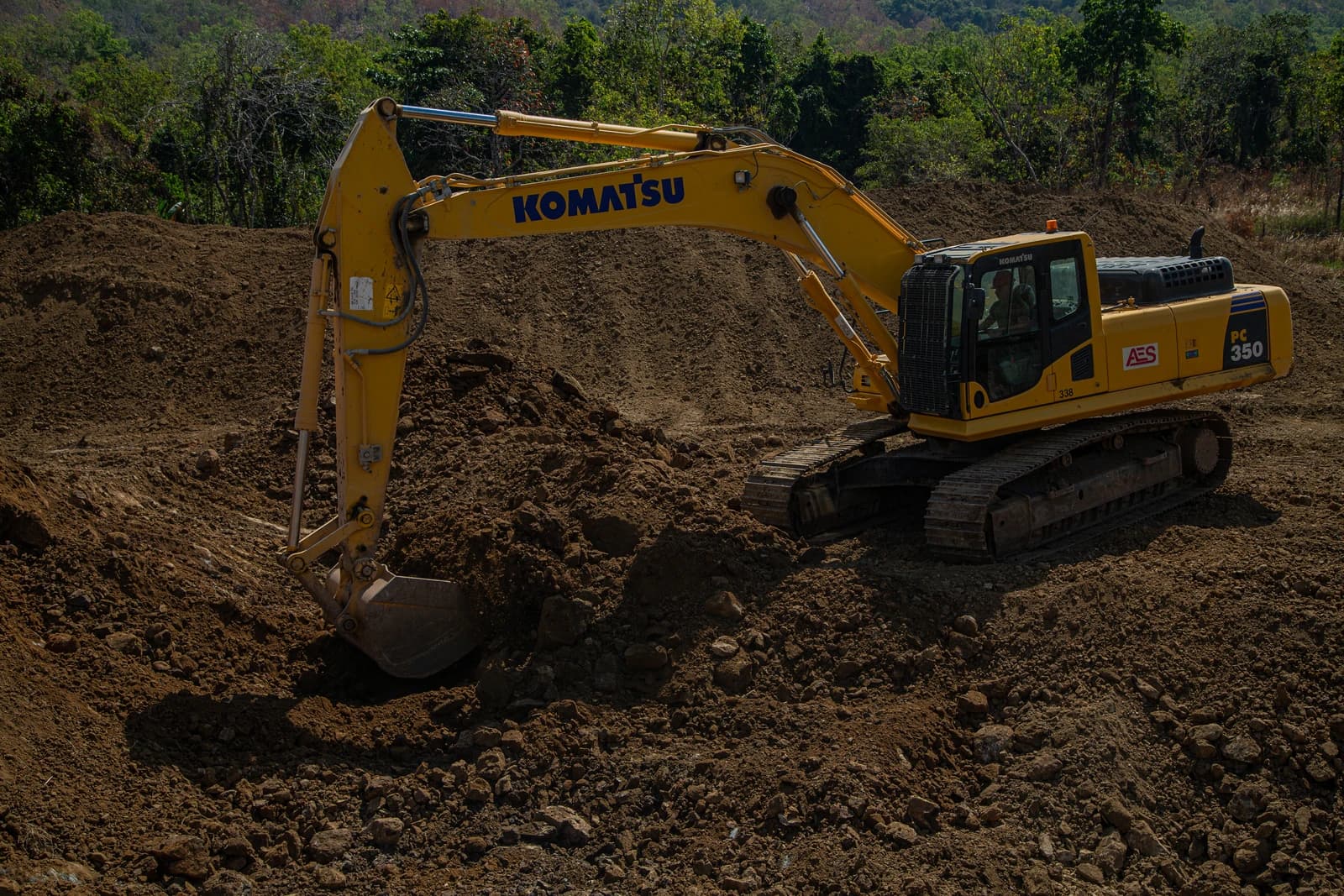
A sweeping anti-corruption search of PT Central Cipta Murdaya’s coal-linked sites in North Kalimantan matters because it raises the legal overhang on a project tied to years of mining activity, government officials and land records in one of Indonesia’s more sensitive resource regions.
PT CCM coal sites searched in Indonesia probe
Indonesia’s Attorney General’s office said investigators searched several locations on Oct. 23, including PT CCM’s office in Jakarta, a former local leader’s home in Nunukan, the district land office and the residence of a former provincial official in Tanjung Selor. Documents and electronic evidence were seized as part of a case that, according to local prosecutors, covers alleged coal-mining corruption stretching from 2013 through 2025.
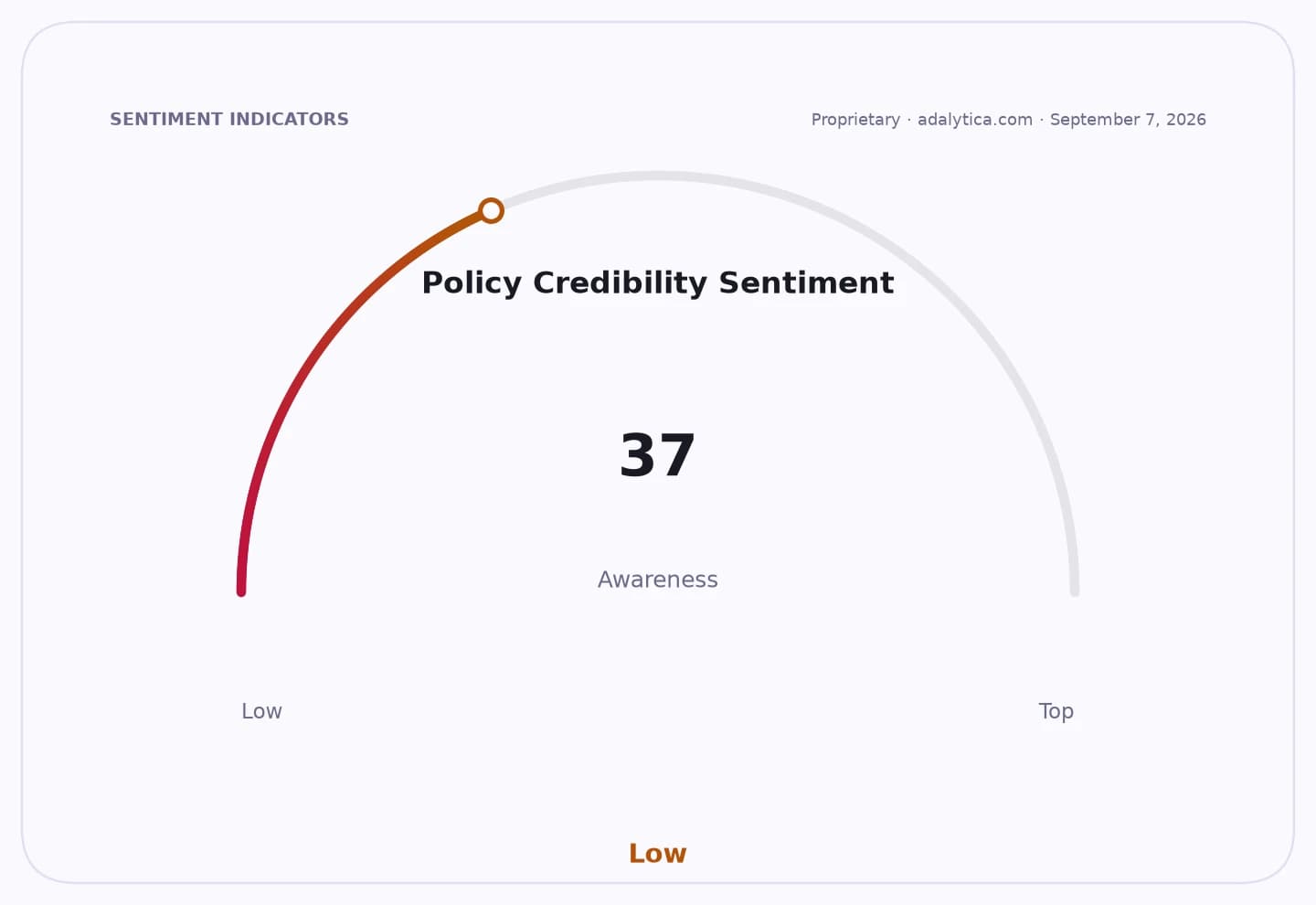
Sentiment IndicatorsⓘProprietary · adalytica.com · September 30, 2026
This is a snapshot — live sentiment, awareness and momentum for 130+ markets update continuously in the dashboard.Open AlphaPulse
For investors, the significance goes beyond a single raid. Coal assets live or die on permits, land access, transport rights and regulatory continuity. When a corruption case starts to pull in company offices, land officials and former political figures, it can complicate any effort to defend licenses, restart operations, sell assets or attract capital. It also increases the risk of wider scrutiny around counterparties, which is exactly the sort of issue that can linger for years and weigh on valuations.
The probe appears to be broadening from an earlier local investigation. Prosecutors had already questioned at least nine witnesses in May, including former Nunukan district heads, energy ministry officials, environment ministry officials and Kumala Murdaya, who is identified in the report as chief executive of PT Sebuku Inti Plantation and director of PT CCM. That mix of witnesses suggests investigators are looking not only at one mine, but at the chain of approvals that allowed activity to continue.
That matters economically because coal remains a cash-generating commodity for producers, but the business is increasingly shaped by politics, permitting and environmental enforcement as much as prices. In emerging markets, a mine can look robust on paper and still become impaired if the legal framework around it turns hostile. A corruption case can slow production, delay investment, trigger fines or force a reallocation of capital toward legal defense rather than growth.
The market backdrop is also not especially forgiving. Coal sentiment is volatile, with Adalytica’s Coal Fear & Greed Index recently flashing neutral at 54, even as its awareness reading sat in extreme fear territory. That combination usually means investors are paying attention to headline risk, but are not yet convinced the story is fully resolved. In plain English: coal can still make money, but governance risk is becoming impossible to ignore.
For HCC and smaller related names such as CHNR, the immediate issue is not a day-trading move, but the durability of earnings. Investors in cyclical resource stocks should always ask the same question: is the cash flow repeatable, or is it hostage to a permit, a court case or a political decision? When the answer shifts toward the latter, the discount rate rises.
The long-term takeaway is straightforward. Coal may still be part of the global energy mix for years, but the companies best positioned to compound capital will be the ones that can prove clean governance, transparent title and durable access to reserves. Until then, PT CCM’s case is a reminder that in resources, legal risk can be just as powerful as commodity risk.
| Entity | Gains | Losses |
|---|---|---|
| Indonesian prosecutors | ▲more evidence | ▼slower case buildup |
| PT CCM and affiliates | ▲none | ▼legal overhang |
| Local officials under scrutiny | ▲no immediate gain | ▼reputational damage |
| Coal investors | ▲possible clarity later | ▼near-term uncertainty |