Putin Denies New Russia Mobilization Rumors
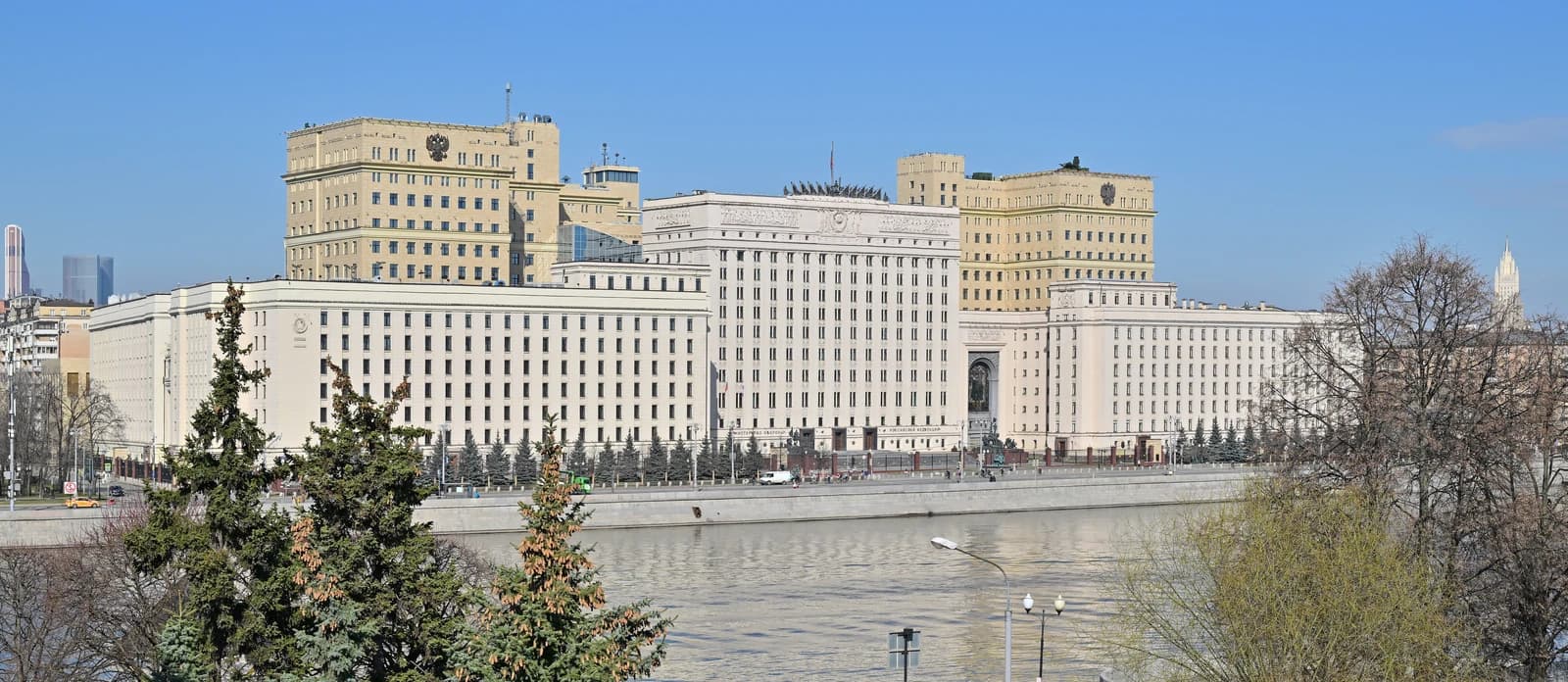
Putin denied rumors that Russia is preparing a new wave of mobilization, easing one of the biggest domestic political fears tied to the war in Ukraine and reducing the near-term risk of another shock to the labor market and consumer sentiment.
The denial matters because any fresh draft would pull more men out of the workforce, tighten already strained labor supply and risk worsening wage pressures in an economy that has spent more than two years absorbing war costs. It would also raise the political price of the conflict at a time when the Kremlin is trying to project control and avoid fresh public anxiety.
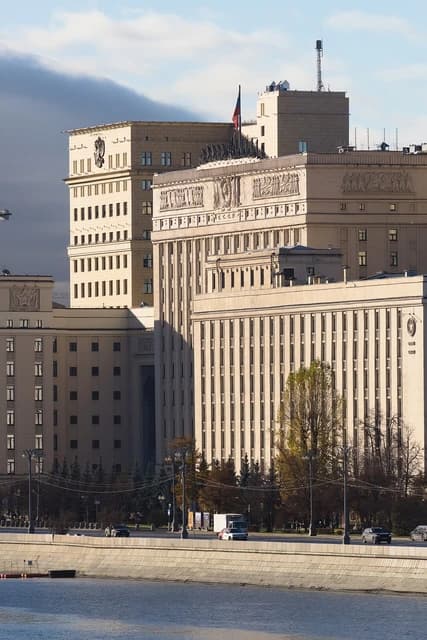
Russia’s unemployment rate has stayed near multi-decade lows, most recently at 4.1% in July, after edging down from 4.3% in May and 4.2% in June, according to the data context provided. That kind of tight labor backdrop means even a limited mobilization could have an outsized effect on employers, especially in industries already short of workers because of military call-ups, emigration and defense production demand.
For investors, the issue is less about an immediate market move in Russian assets — which remain heavily constrained — and more about the spillover into energy, commodities and European risk sentiment. A larger mobilization would signal escalation risk, potentially complicating sanctions enforcement and widening the geopolitical premium embedded in oil, gas and industrial supply chains.
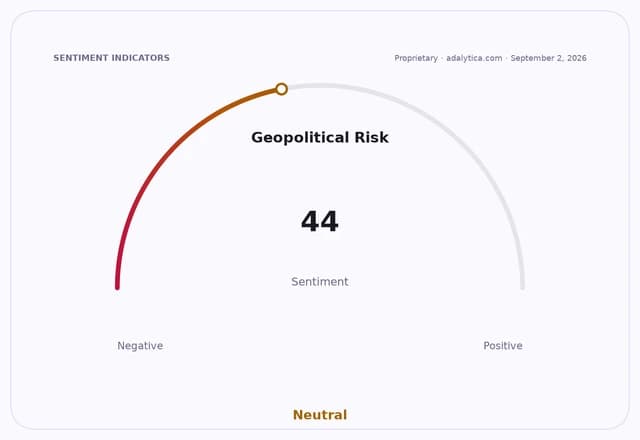
The market backdrop shows the sensitivity of risk appetite to war headlines. The Adalytica Global Stability Sentiment snapshot sits at 44, labeled neutral, after sliding 45 points in a week, while the German stock ETF EWG has been volatile, recently trading at 43.44 after touching 44.58 on Aug. 27, with its 50-day moving average around 42.52. That suggests investors are still quick to reprice European exposure when geopolitical headlines intensify.
The immediate narrative is simple: Putin is trying to shut down speculation that Russia needs another manpower push, because another mobilization would carry economic costs at home and reinforce a more aggressive war trajectory abroad. Traders will keep watching for any shift in Kremlin messaging, battlefield developments and sanctions policy that could force the issue back onto the agenda.
| Entity | Gains | Losses |
|---|---|---|
| Kremlin | ▲Political control narrative | ▼Rumor-driven pressure |
| Russian workers | ▲Labor-market stability | ▼Draft risk and disruption |
| European equities | ▲Less near-term war fear | ▼Higher geopolitical premium |
| Oil and commodities traders | ▲Status quo pricing | ▼Escalation volatility |