QatarEnergy LNG cancellations extend into November
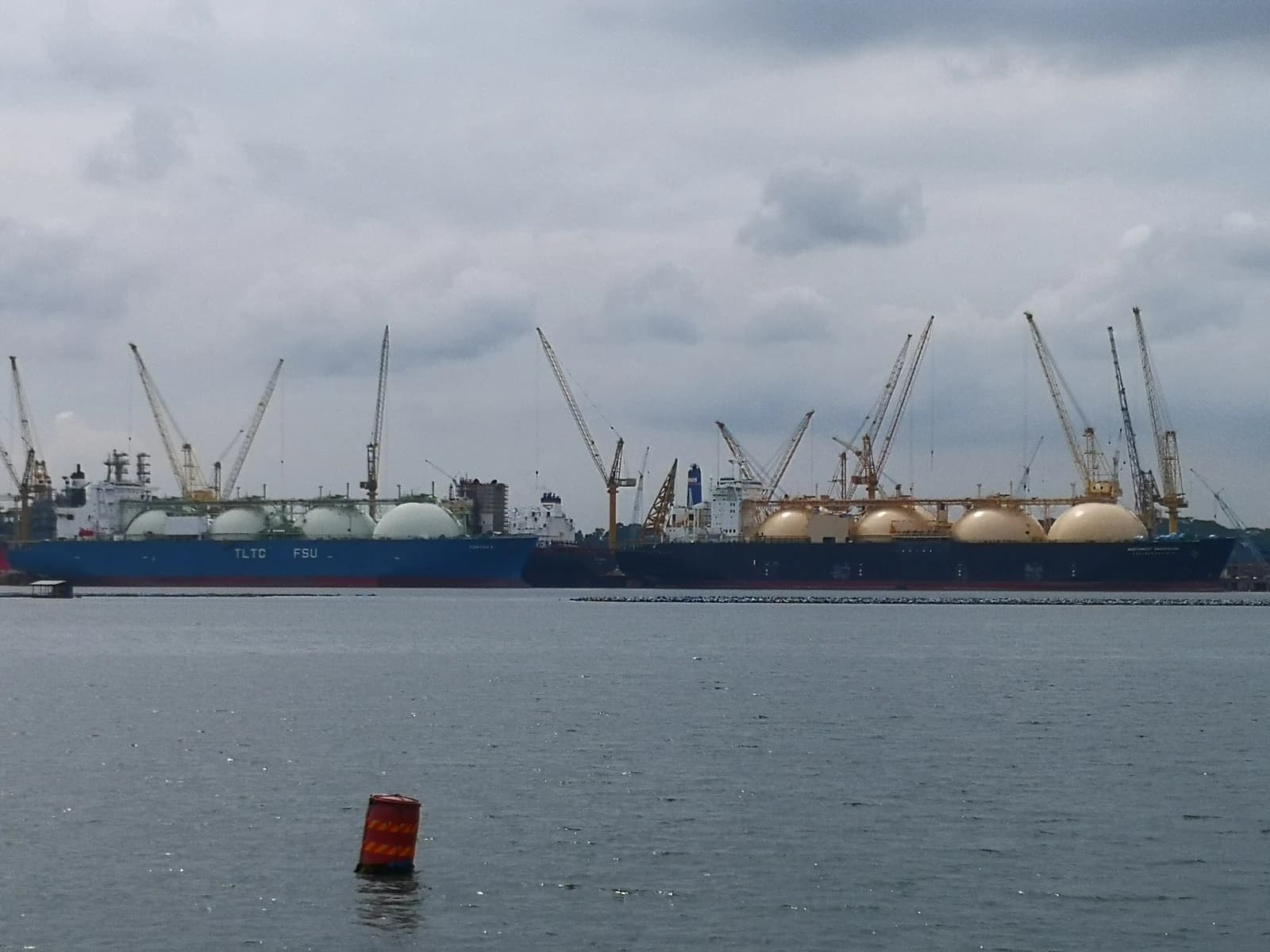
QatarEnergy has pushed LNG delivery cancellations into early November, deepening a supply shock that is keeping a critical slice of the world’s gas trade off the market and forcing buyers from Europe to South Asia to scramble for replacements.
The extension underscores how much leverage the Strait of Hormuz still has over global energy security. Qatar is one of the world’s biggest LNG exporters, and when its shipments are disrupted, the effects ripple quickly through spot markets, storage levels and import bills. For countries that rely on short-term cargoes, the cancellations are not just a contractual nuisance: they raise the risk of higher power costs, fuel switching and tighter winter supply balances.
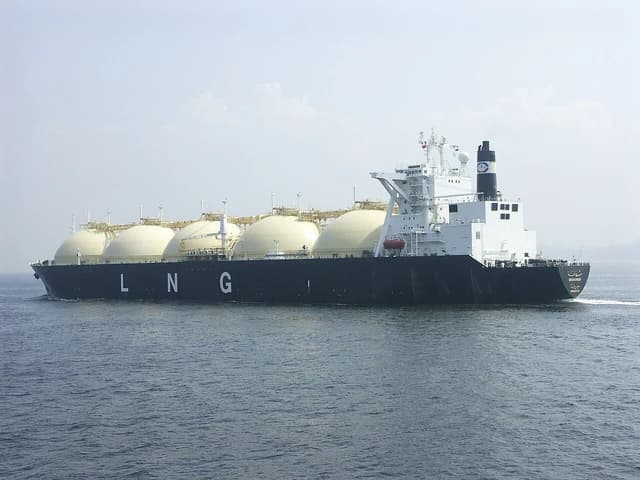
Italian utility Edison said QatarEnergy would miss five more cargoes scheduled between late September and early November, taking the number of affected shipments under their contract to 29 since April, or about 3.8 billion cubic meters of gas. Edison said it had already replaced 21 of those cargoes, or roughly 2 billion cubic meters, suggesting larger European buyers have been able to lean on alternative supplies and storage. But that hedging comes at a cost, and it does not fully offset the loss of premium LNG volumes that would otherwise help balance regional markets.
The broader damage is far larger than one utility’s contract book. ICIS data cited by reporting shows Qatar exported just 18 cargoes in the first six months of the conflict, versus 509 in the same period a year earlier. That implies a dramatic withdrawal of Qatari supply from the seaborne market and an estimated $24 billion in lost gas sales for the emirate. The numbers matter because LNG is increasingly the marginal fuel setting prices for power generation and industrial demand, especially in Asia and Europe.
The strain is most acute in Pakistan, Bangladesh and India, where buyers have been told cancellations will run into October and beyond. Those markets are more exposed because they depend heavily on spot cargoes and have less flexibility to switch suppliers without paying up. Japan, by contrast, is better insulated thanks to a broader portfolio of long-term contracts indexed to oil and U.S. gas prices.
The market response has been a reallocation rather than a cure. More LNG has flowed from the United States and Canada, helped by new capacity coming online over the past year, while production in Nigeria and Malaysia has also risen. But not enough new supply has reached the market to fully replace Qatar’s absent volumes. In Asia, some buyers have cut demand or switched fuels. In Europe, importers have leaned more heavily on storage rather than chase expensive spot cargoes, which has helped preserve supply but left inventories lower than they would otherwise have been.
That imbalance is one reason gas prices remain vulnerable to another jump if the security situation worsens. Adalytica’s natural gas trade signals are showing “Greed,” reflecting heightened market tension, while its global stability gauge remains neutral but sharply weaker over the past week. That combination suggests traders are treating the outage as structurally important even if broader risk sentiment has not fully broken down.
For investors, the story cuts several ways. LNG exporters in the U.S. and elsewhere stand to benefit from tighter international supply and stronger pricing power if the disruption persists. Cheniere Energy and other Gulf Coast exporters are structurally positioned to capture displaced demand, while integrated majors with LNG exposure such as Exxon Mobil and Chevron could see support for upstream and LNG-linked earnings. Their shares have already moved higher alongside the energy complex as oil prices recovered, and the market is clearly pricing in a more durable supply risk premium.
The bear case is that prolonged disruption could eventually destroy demand. High prices are already prompting some buyers to burn less gas or shift to coal and fuel oil, and a longer outage could slow global LNG trade in 2026 even as new projects in the U.S., Canada, Australia and Nigeria add supply. That would not erase the shortage immediately, but it would change the shape of the recovery, favoring exporters and punishing import-dependent economies at the margin.
For QatarEnergy, the key question is not just when the strait reopens, but whether shipping can resume reliably enough to justify a real return to normal. The company has signaled that production from its 12 undamaged LNG units could be restored within about two months once Hormuz is deemed safe, but repairs to two damaged units at Ras Laffan could take three to five years. Until then, the market is likely to remain in a stop-start pattern, with each monthly force majeure extension reinforcing the same message: the world’s LNG system is still one geopolitical chokepoint away from another squeeze.
| Entity | Gains | Losses |
|---|---|---|
| U.S. and Canadian LNG exporters | ▲More displaced demand | ▼Less spare global supply |
| QatarEnergy | ▲None in the near term | ▼Cargo sales and revenue |
| European utilities with storage | ▲Temporary supply buffer | ▼Lower inventories, higher costs |
| Pakistan, Bangladesh, India | ▲Little to no benefit | ▼Fuel shortages and price pressure |