Quantum computing stocks fall as momentum weakens

Quantum computing stocks are under pressure again, but the bigger story for investors is that the selloff may be separating the companies with real technical momentum from the ones heading down a dead end.
That matters because quantum computing is still a long-duration technology bet. The prize is enormous if the industry eventually delivers useful, scalable machines, but shareholders will only be rewarded if the underlying physics, hardware architecture and commercialization path hold up. For now, the market is doing what it often does in emerging technologies: repricing the gap between promise and progress.
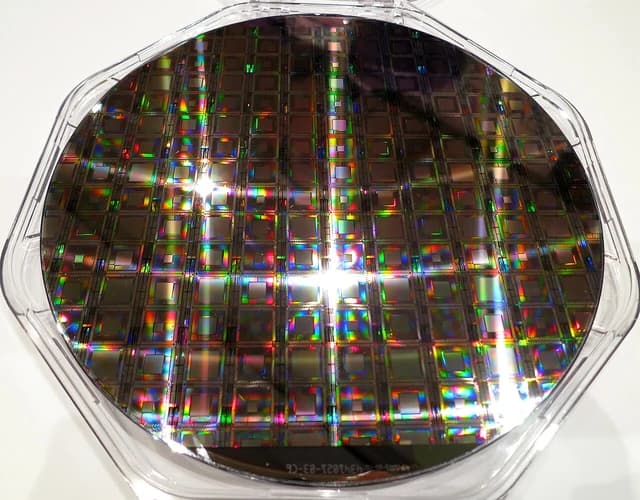
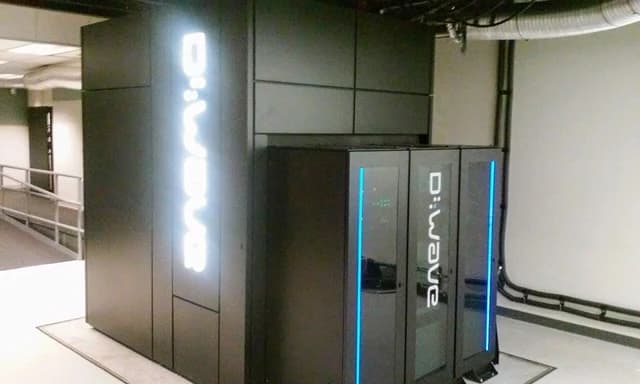
IonQ, Rigetti Computing and D-Wave Quantum have all been volatile, but the recent tape shows how quickly enthusiasm can turn. IonQ closed at $39.52 on Sept. 4, down sharply from its October peaks above $80. Rigetti ended at $15.20, while D-Wave slipped to $16.58. All three remain far below their recent highs, and the conventional technical indicators point to weakness rather than a clean recovery — IonQ and Rigetti are below their 50-day and 200-day moving averages, and D-Wave is still trading beneath both as well.
The near-term message is simple: this is not a straight line. The quantum trade is being driven by expectation as much as execution, and that usually produces violent swings. Investors are clearly asking which company is advancing toward a commercial platform and which one may be burning capital on a platform that never scales.
That is where the long-term narrative becomes more interesting. The quantum industry still has real catalysts. Fresh funding, ongoing hardware development and growing attention from large technology buyers all point to a field that is still in the build-out phase. The latest filings from IonQ and Rigetti also reinforce the point that these are capital-intensive businesses whose future depends on improving performance, scaling production and turning research into revenue. Those are exactly the milestones investors should watch over the next several years.
For buy-and-hold investors, the important question is not whether quantum computing will matter — it probably will — but which business models survive the hard part of getting there. The winners may be few, but if the technology matures, they could be extraordinary. The losers will be the companies that chase the wrong qubit approach or fail to convert scientific progress into a durable moat.
That is why quantum stocks belong on a watchlist, not in a rush. If you want exposure, think in years, diversify broadly and focus on balance sheets, execution and technical credibility rather than day-to-day volatility. In a sector this early, patience is the edge.
| Entity | Gains | Losses |
|---|---|---|
| Quantum computing leaders | ▲Long-term upside | ▼Near-term volatility |
| IonQ, Rigetti, D-Wave | ▲Higher adoption if tech works | ▼If qubit approach stalls |
| Patient investors | ▲Potential multibagger returns | ▼Quick-trade/speculative buyers |
| Dead-end platforms | ▲Nothing | ▼Capital, credibility |