Québec solidaire grocery stores raise grocery scrutiny
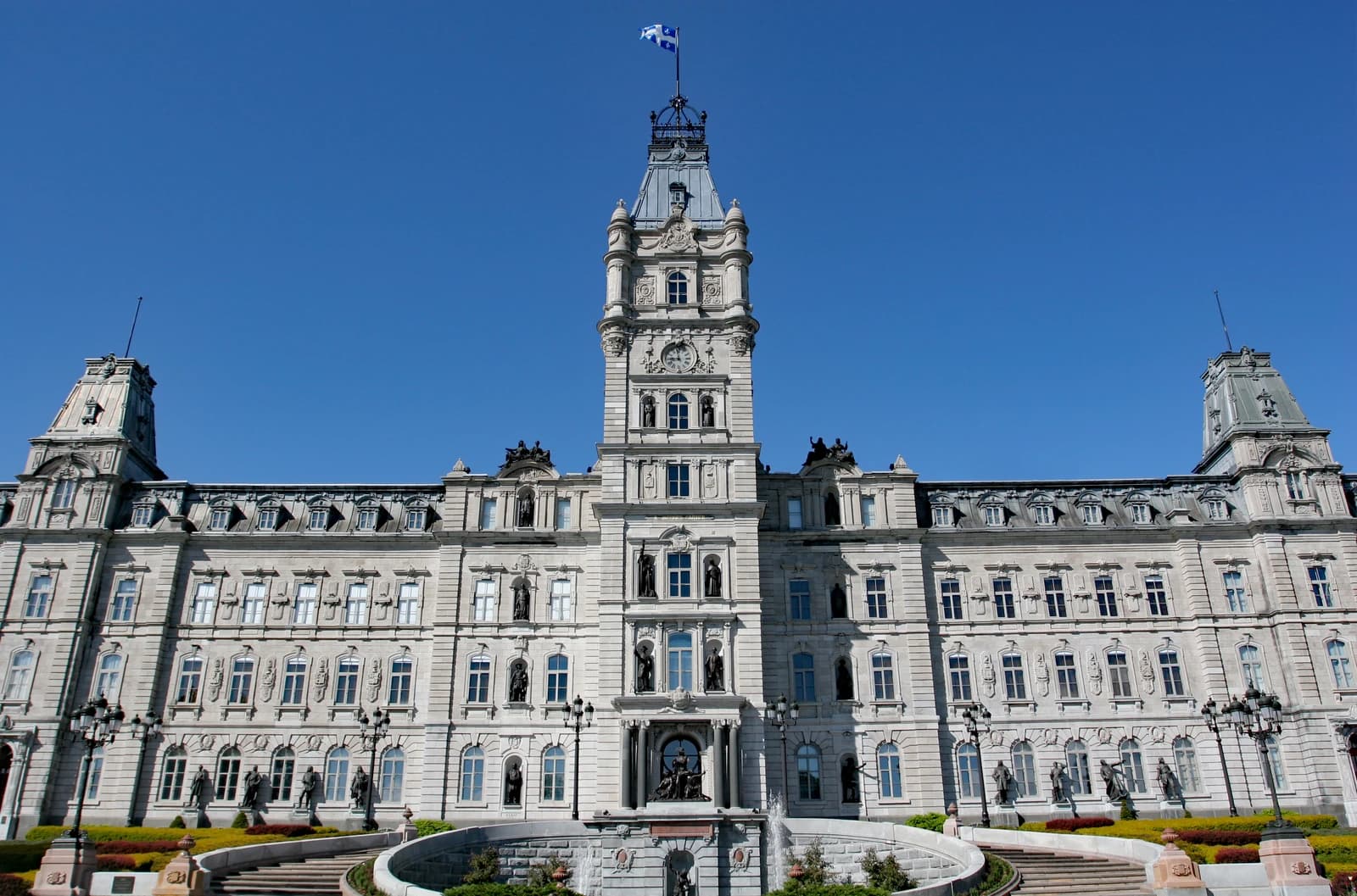
Québec solidaire’s proposal to create public grocery stores turns a pre-campaign pledge into a broader cost-of-living question at a time when food prices remain politically explosive and investors are already sensitive to the grocery sector’s margins.
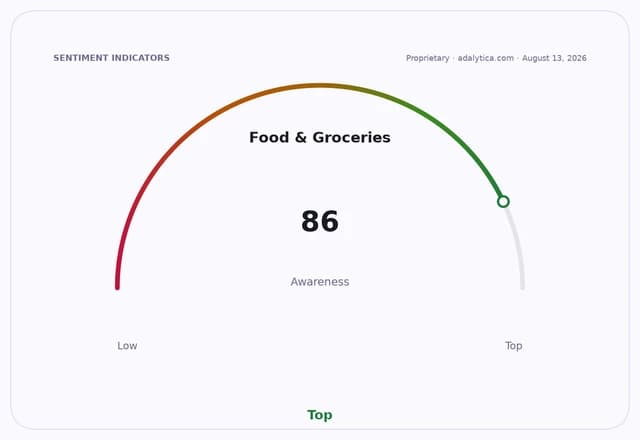
The pitch lands in a market where consumer frustration over groceries is still elevated, even if broader spending sentiment has cooled. Adalytica’s Food and Grocery Spending Sentiment gauge is at 93, in “Extreme Greed,” after jumping 57 points over seven days and 85 points over 30 days, underscoring how fast the issue can move in public debate.
For investors, the story is less about whether Quebec ultimately builds state-run stores than about what it says on the political left about food affordability, retailer pricing power and the risk of tougher policy scrutiny. Grocery chains trade on thin margins, and any move that puts more pressure on pricing, procurement or competition can affect expectations for earnings quality.
That matters for North American grocery names such as Kroger, Albertsons and Costco, which have been under pressure or volatile this year as shoppers stay value-conscious and analysts watch for any sign that inflation, promotion intensity or higher labor costs could squeeze profitability. Kroger was at $56.06 on Aug. 12, below its 50-day moving average of $59.08 and 200-day average of $64.37, while Albertsons closed at $12.01, under both its 50-day average of $13.63 and its 200-day average of $16.00.
The technical picture suggests investors have already been cautious. Kroger’s relative strength index was 51.5 on Aug. 12, after a sharp rebound from July lows, while Albertsons’ RSI stood at 60.9, showing recent stabilization but still leaving the stock well below prior levels. Costco, meanwhile, finished at $949.58 on Aug. 12, essentially in line with its 50-day moving average of $949.36 and below its 200-day average of $955.46, reflecting a more mixed tape for the sector’s defensive leader.
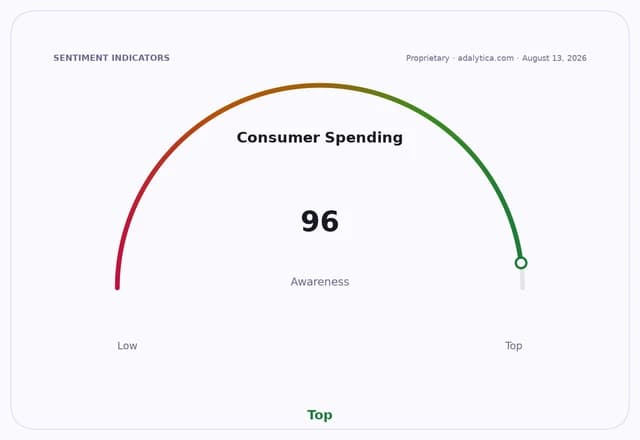
The political appeal of public grocery stores is straightforward: it gives voters a visible answer to food inflation, especially when households are still weighing everyday essentials more heavily than discretionary spending. Adalytica’s broader Consumer Spending Sentiment gauge remains neutral at 36, even as awareness of the theme is elevated, suggesting the issue can stay top-of-mind even without a strong improvement in confidence.
For retailers, the immediate risk is not a direct competitive threat from Quebec, but a deeper narrative that food retailing is becoming a policy target again. That could shape provincial and federal debate around pricing, supply chains and public intervention, keeping grocery operators and suppliers on alert as the pre-campaign season opens.
| Entity | Gains | Losses |
|---|---|---|
| Québec solidaire | ▲Cost-of-living credibility | ▼Policy skepticism |
| Quebec consumers | ▲More price competition | ▼Uncertain rollout |
| Grocers with tight margins | ▲Defensive demand narrative | ▼Margin pressure |
| Existing grocery chains | ▲None materially | ▼Political scrutiny |