Queensland commuters are set to get their full rail timetable back after the state struck a $300 million deal with unions, ending a dispute that had disrupted services and underlined how quickly labour negotiations can spill into the wider economy.
Queensland rail timetable restored after $300 million deal
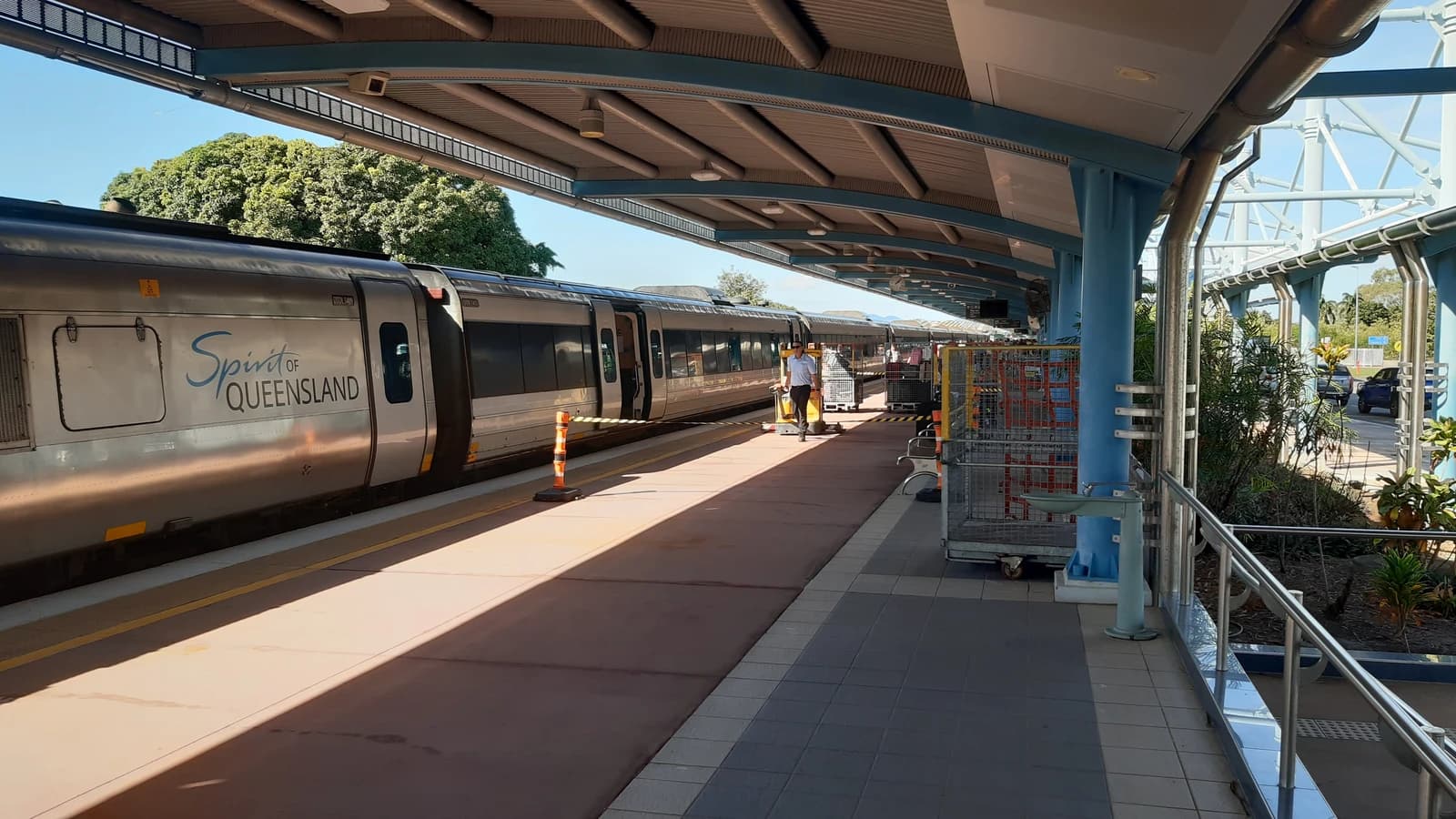
For investors, the immediate significance is simple: rail reliability matters because it keeps cities moving, supports labour productivity and reduces the kind of operational friction that can ripple through tourism, retail and freight. When train services are restored to full schedules, the economic cost of delays, missed connections and uncertainty starts to fade.
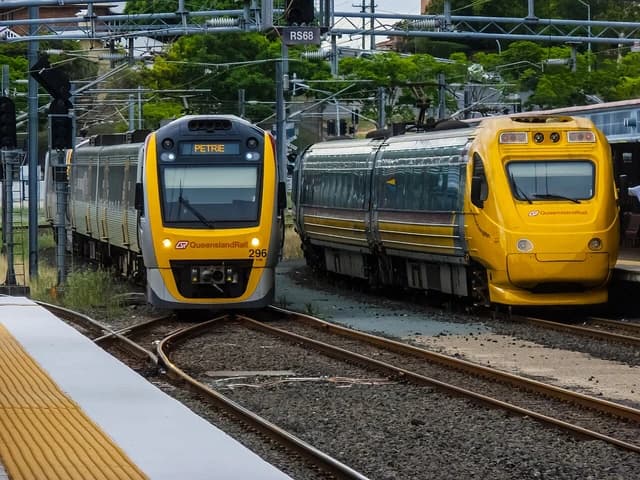
Transport Minister Brent Mickelberg said the timetable would return after the settlement, giving the government a path to normalize services and avoid further escalation. In a transport network, certainty is often worth as much as the headline figure attached to the pay deal. A $300 million agreement is a real fiscal hit for the state, but it also buys labour peace, which can be even more valuable over time if it prevents repeated disruption.
The episode also fits a broader pattern across rail networks, where governments are being forced to balance wage pressures, safety expectations and service reliability. That tension has been visible in Europe as well, where disruption and safety failures have kept public attention fixed on the resilience of rail systems. In Queensland, the stakes are less dramatic but still important: commuters, businesses and freight operators all benefit when the network runs on time.
For long-term investors, the lesson is that infrastructure is not just about track and trains. It is about execution, industrial relations and the ability of governments to keep critical systems functioning smoothly. A restored timetable should help rebuild passenger confidence, but the larger takeaway is that public transport operators remain vulnerable to wage negotiations and operating bottlenecks.
If Queensland can now move from dispute to delivery, that is constructive for the state’s economic momentum and for anyone exposed to travel, logistics and urban mobility. For investors, it is worth watching whether the settlement translates into lasting stability rather than another round of brinkmanship.
| Entity | Gains | Losses |
|---|---|---|
| Queensland commuters | ▲More reliable service | ▼Fewer disruptions |
| Queensland government | ▲Labour peace | ▼$300 million cost |
| Rail operators | ▲Smoother operations | ▼Lower flexibility on wages |
| Local businesses and freight users | ▲Better network reliability | ▼Delays and uncertainty |