Rail Traffic Falls 13.4% Through July
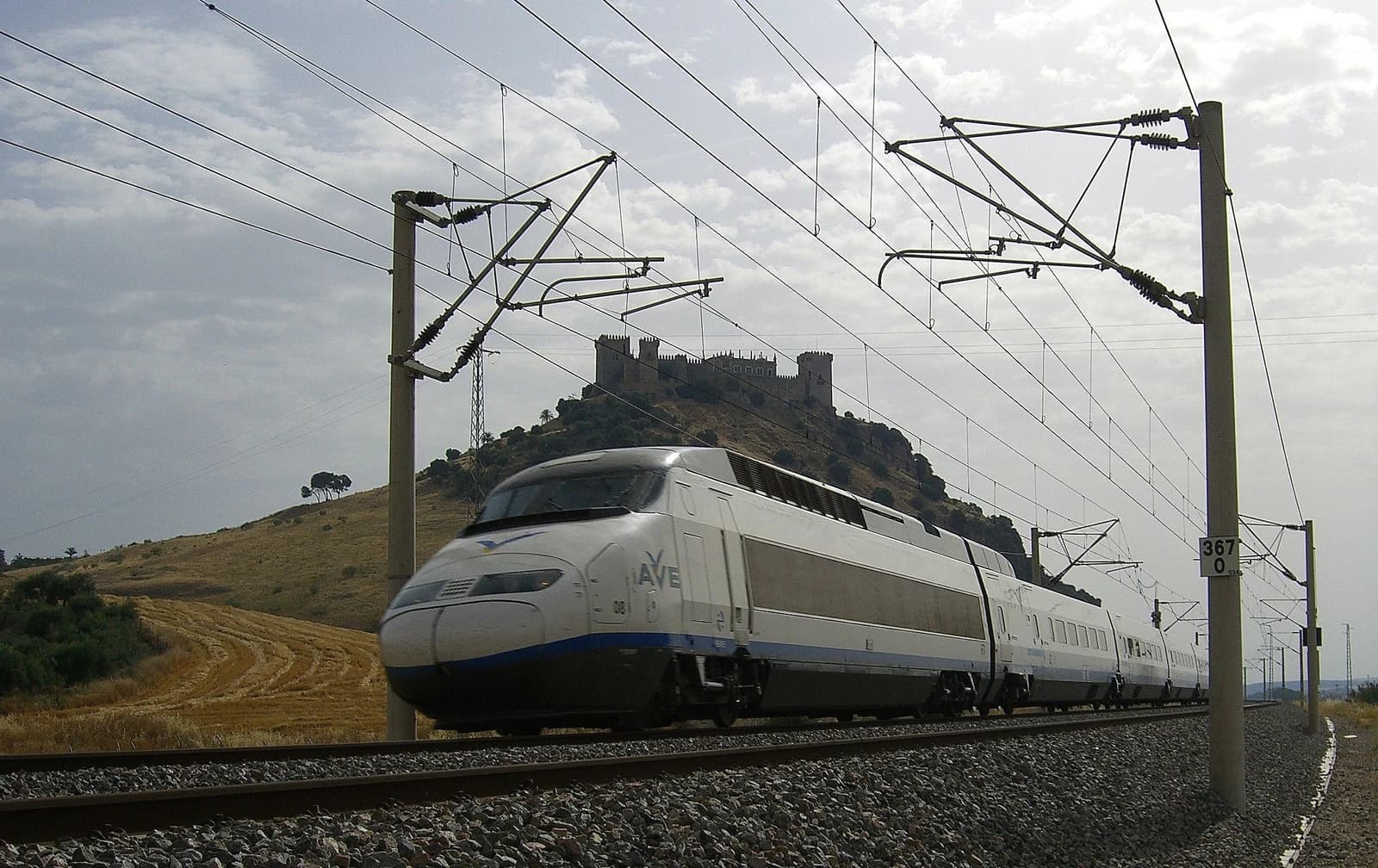
Rail use has dropped 13.4% through July, underscoring how a faster, more efficient transport mix is reshaping freight demand and putting pressure on the economics of major North American railroads.
The slide matters because rail remains a core artery for industrial supply chains, energy shipments and intermodal freight. When volumes weaken, railroads lose pricing leverage, operating ratios can deteriorate and fixed-cost networks become harder to run efficiently. That makes the July decline economically meaningful well beyond the sector itself, feeding through to logistics costs, industrial activity and even broader transport margins.
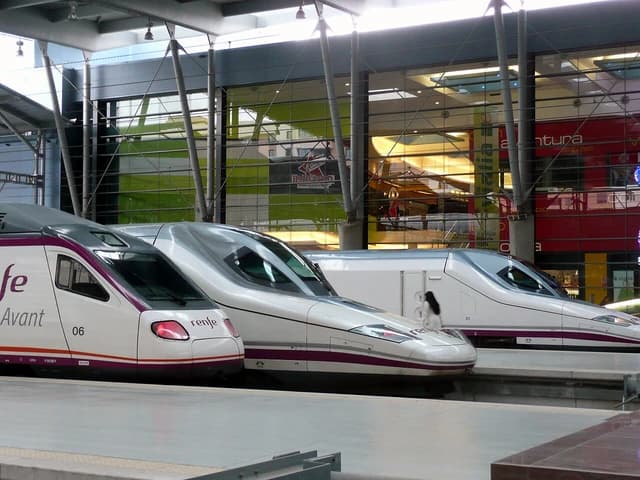
For investors, the key issue is not just lower traffic, but what is driving it. Railroads are capital-intensive businesses that depend on density — the more cars moving through the network, the better they can spread labor, fuel and infrastructure costs. A 13.4% fall in usage points to a weaker revenue backdrop and raises questions about whether higher-speed alternatives, route optimization and shifting cargo flows are eroding rail’s share of freight. That is especially relevant for operators such as Union Pacific, CSX and Norfolk Southern, whose shares tend to track perceptions of pricing power and volume stability.
The company filings in the sector show the tension. Union Pacific reported that freight revenues rose in the second quarter as higher fuel surcharges and better operating speed helped offset some weakness, while freight car velocity improved 5% and average terminal dwell time fell. Norfolk Southern also highlighted improved train speeds and terminal performance. Those gains support margins, but they do not fully eliminate the risk that slower volume growth — or outright declines — can offset the benefits of efficiency.
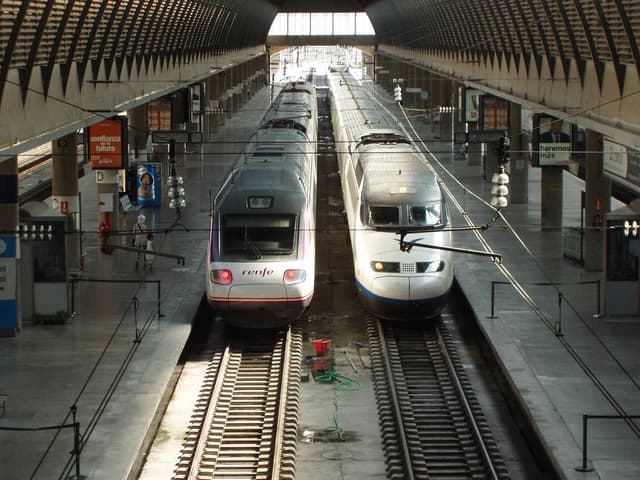
That is the broader narrative behind the July figure: railroads are being forced to run faster just to defend economics in a market where the volume mix is less forgiving. Efficiency can cushion earnings, but it does not replace lost tonnage. If the freight cycle stays soft, investors will be watching whether productivity gains are enough to hold margins, or whether lower utilization starts to weigh on earnings and valuations.
| Entity | Gains | Losses |
|---|---|---|
| Trucking and intermodal rivals | ▲Capture diverted freight | ▼ |
| Rail operators | ▲Better speeds, tighter operations | ▼Lower density, weaker volumes |
| Shippers with time-sensitive cargo | ▲Faster transit options | ▼Potentially higher logistics costs |
| UNP, CSX, NSC shareholders | ▲Margin support from efficiency | ▼Earnings risk from volume decline |