The South African rand is caught between two market-moving forces: a local mining readout that could shift growth expectations at home and a U.S. inflation report that may reset the dollar and Treasury yield backdrop globally.
Rand Faces Inflation and Mining Crosscurrents
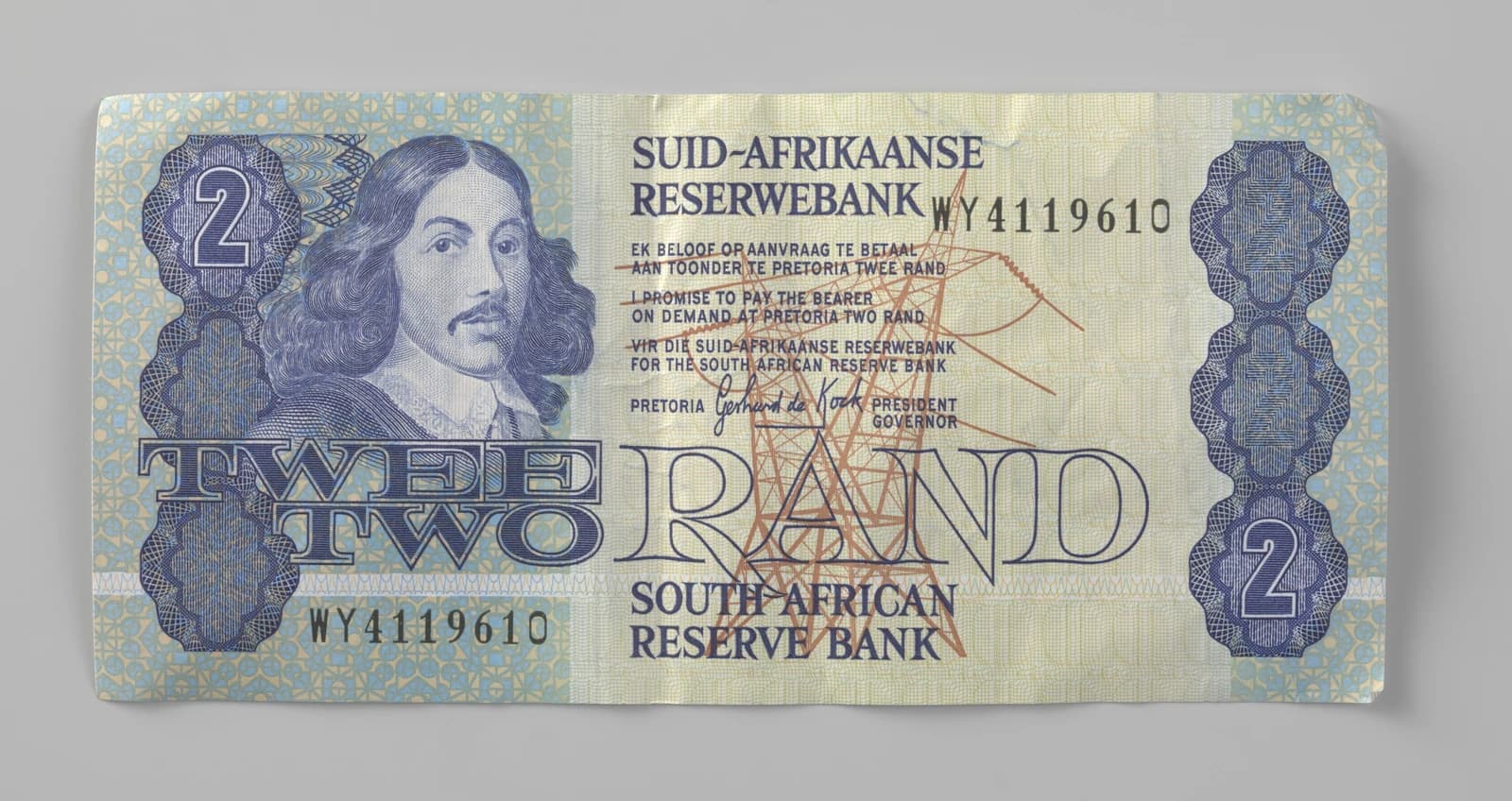
That matters because the rand is one of the most economically sensitive currencies in emerging markets. When global inflation runs hot, U.S. yields tend to climb, the dollar usually firms and capital becomes less forgiving toward riskier assets. When inflation cools, the opposite can happen, giving currencies like the rand room to recover. With the rand trading at 16.47 to the dollar on Tuesday after a recent slide and only a modest bounce from the previous close, investors are being reminded that this currency still lives at the intersection of domestic fragility and external policy shocks.
The timing is especially important for South Africa’s economy. Mining remains a major export engine, a source of foreign earnings and a key contributor to jobs, taxes and confidence in the broader cyclical outlook. A stronger mining print would help argue that the economy can still generate hard currency and support the rand. A weak one would reinforce concerns that South Africa is struggling to convert commodity wealth into durable growth.
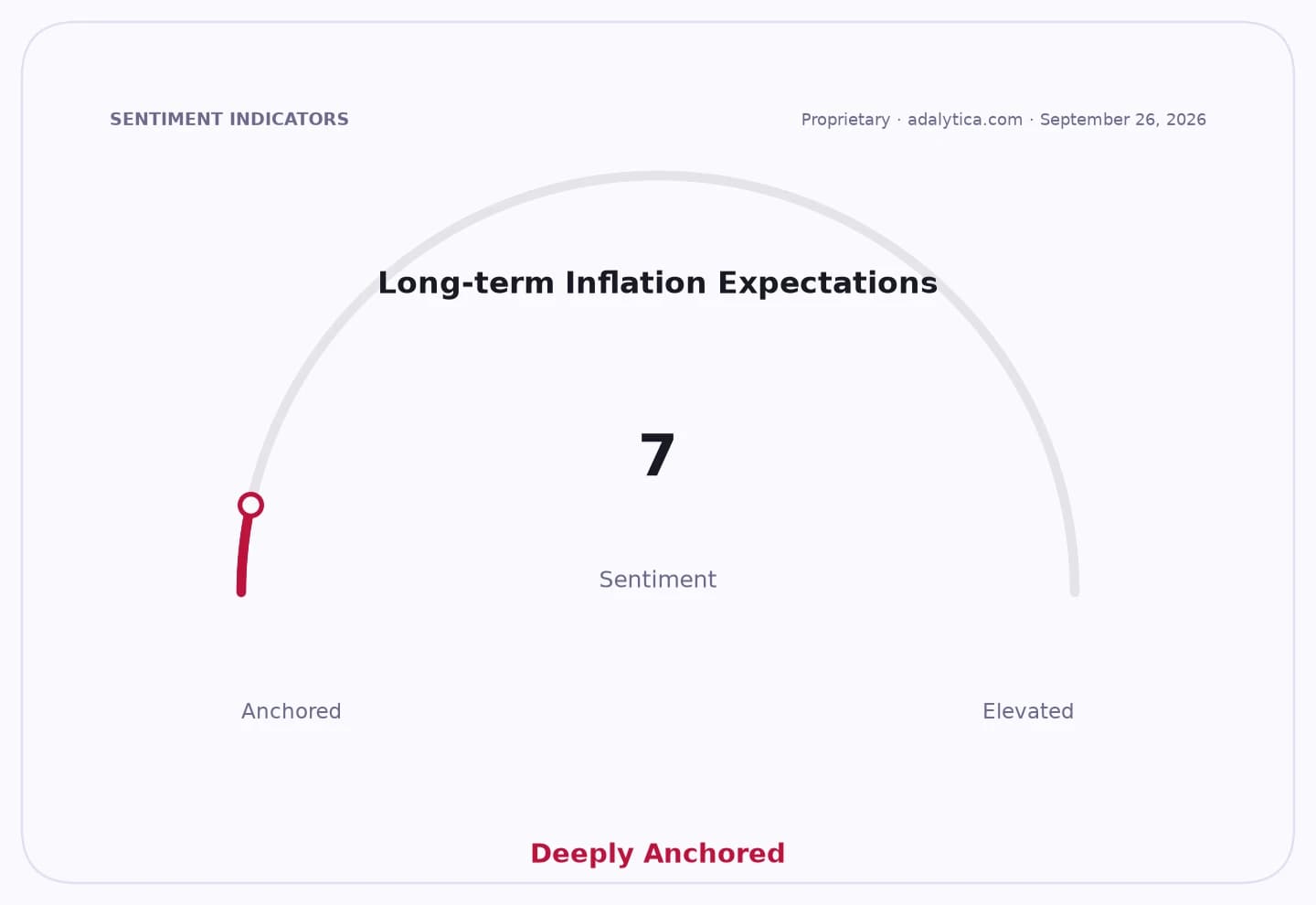
At the same time, the market is watching U.S. inflation closely because it drives expectations for Federal Reserve policy and, by extension, the direction of the dollar. The latest U.S. consumer price index data showed prices rising 0.47% in May, with a forecast for another 0.62% increase in June, while the 10-year Treasury yield has hovered around 4.56%. That is hardly a benign backdrop for emerging-market currencies. Higher U.S. yields generally make dollar assets more attractive, reducing the appeal of the rand and other higher-beta currencies.
There is also a broader market signal in the cross-asset action. Gold has retreated sharply from its earlier highs, with GLD sliding to 367.13 from above 490 in March, a sign that some of the inflation panic trade has faded. But the fund is still well above its 200-day average, and the metal’s volatility tells you investors have not settled into a clear macro regime. Emerging-markets equities, as tracked by EEM, have also pulled back from recent highs, underscoring how quickly risk appetite can evaporate when inflation and rates become the dominant story again.
For rand investors, that means the next move is likely to be dictated less by headlines about South Africa alone and more by whether the U.S. data keep the Fed in a restrictive mood. If inflation proves sticky, the dollar could strengthen further and leave the rand vulnerable even if local mining numbers are solid. If the inflation print cools and Treasury yields ease, South Africa’s currency could get some breathing room — especially if mining data surprise on the upside.
For long-term investors, the lesson is simple: the rand remains a cyclical currency, not a safe haven. That makes diversification essential. Over multiyear periods, currencies can swing hard on macro shocks, but the underlying investment case still comes back to earnings growth, foreign inflows and policy credibility. For now, the rand looks worth watching, but not one to chase. Patience will matter more than trying to guess the next daily turn.
| Entity | Gains | Losses |
|---|---|---|
| Rand bulls | ▲Softer U.S. inflation, stronger mining data | ▼Stronger dollar, higher Treasury yields |
| South African exporters | ▲Firmer global demand, weaker rand | ▼Currency strength, weak commodity sentiment |
| U.S. dollar holders | ▲Hot inflation, sticky Fed policy | ▼Cooler CPI, lower rate expectations |
| South African economy | ▲Better mining receipts, export support | ▼Slower mining growth, weaker capital inflows |