Rare $20 Gold Coins Set Record Auction Prices
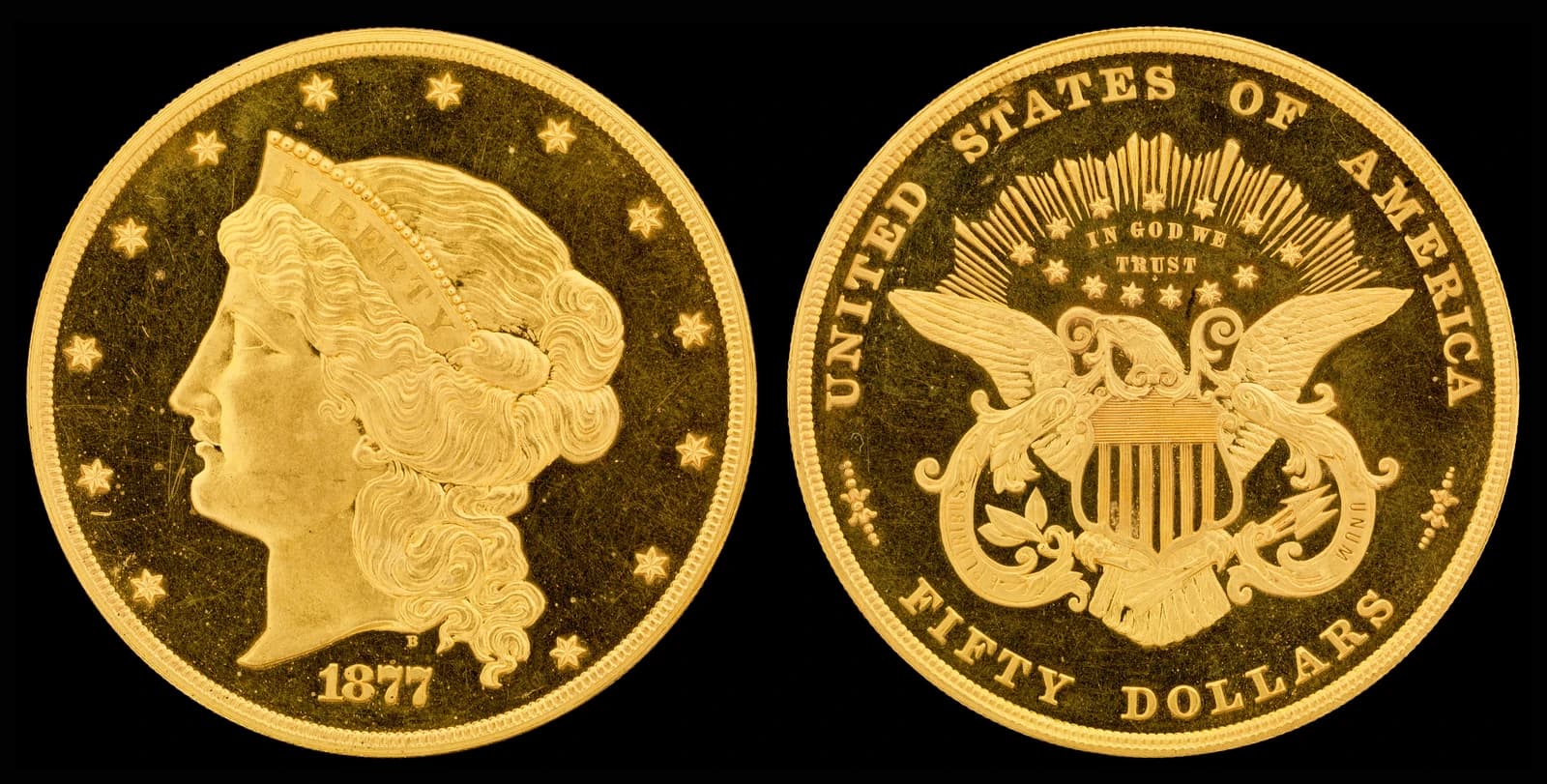
Collectors paid record prices for two $20 gold coins, underscoring how scarcity, historical significance and the search for hard assets continue to push U.S. numismatic markets higher.
The sale matters because the market for rare coins is not just a hobbyist niche: it is a liquid corner of the alternative-assets universe where scarcity, pedigree and provenance can generate outsized returns even when broader risk appetite is mixed. In a period when investors are also bidding up bullion-linked products such as GLD and showing renewed interest in gold, the auction highlights how the value of a coin can exceed the metal content by orders of magnitude when the item carries exceptional historical weight.
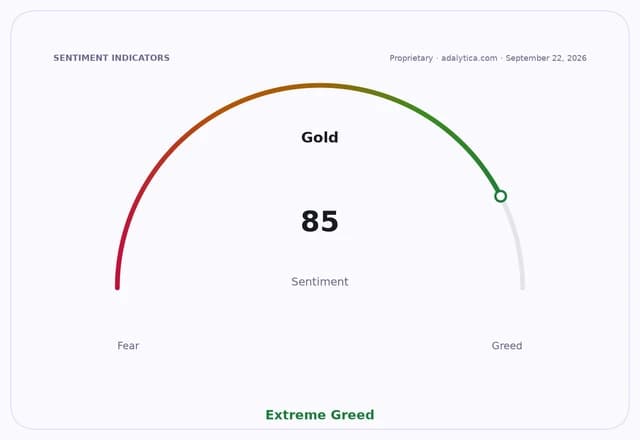
That distinction is central to the economics of the trade. Unlike commodity gold, which is priced largely off macro variables such as real rates, the dollar and central-bank buying, numismatic coins are driven by collector demand, condition and rarity. The top lots in the $20 denomination are often judged not by ounces but by how few examples survive in elite condition. That creates a market where a small number of bidders can determine the price, and where record results can reset expectations for future sales.
The auction also speaks to a broader appetite for tangible assets at a time when investors are weighing inflation, geopolitical risk and currency volatility. Gold remains one of the most watched hedge assets, and that backdrop can spill over into collectible coins as affluent buyers seek stores of value with historical cachet. Yet the two markets are not identical. A rising bullion price can lift interest in gold coins, but the premium for a record-grade piece depends more on collector depth than on the spot price of gold.
For investors, the lesson is that scarcity-based assets can outperform in different ways from mainstream markets. Gold miners such as Agnico Eagle and Newmont tend to trade with operating leverage to bullion prices, while GLD reflects the metal itself. Rare coins, by contrast, are effectively a luxury collectible market with its own cycle, often less correlated to equities and more dependent on a thin pool of high-net-worth buyers. That can make them attractive in a diversified portfolio, but it also means pricing can be illiquid and highly idiosyncratic.
The latest sale suggests that demand for prestige collectibles remains resilient even as financial markets oscillate. If bullion prices stay firm and affluent buyers continue to favor portable hard assets, the record-setting $20 coins may not be an outlier so much as another sign that the upper end of the collectibles market is still finding eager bidders.
| Entity | Gains | Losses |
|---|---|---|
| Rare-coin collectors | ▲Prestige assets | ▼Cash outlay |
| Auction houses | ▲Higher commissions | ▼Concentration risk |
| Gold-bullion holders | ▲Portfolio tailwind | ▼None directly |
| Sellers of elite coins | ▲Record prices | ▼Limited future supply |