Rare Earth Rally Meets Brutal Volatility
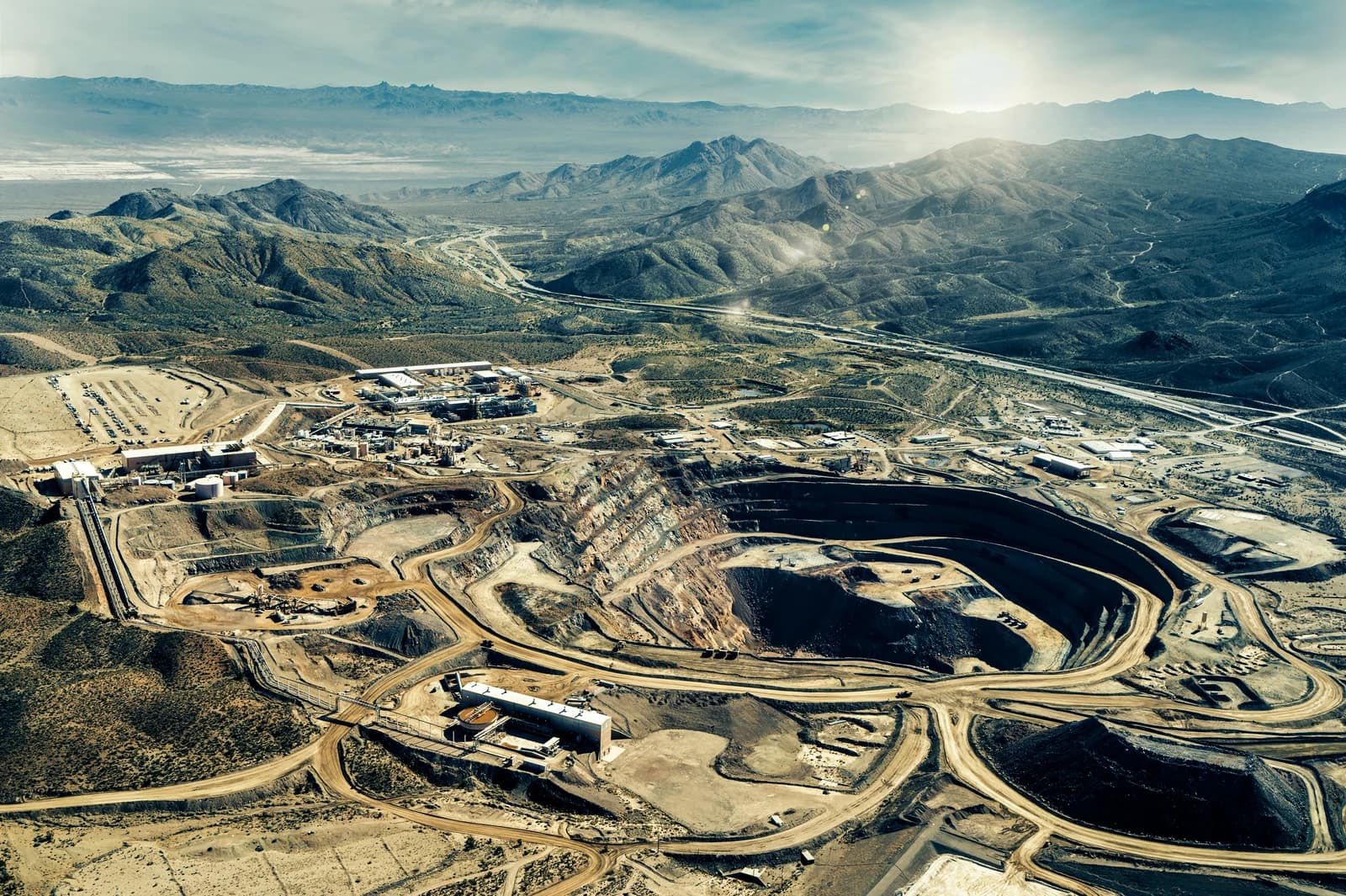
The U.S. is accelerating its break from China’s rare earth supply chain, and the shift is already reverberating through miners, magnet makers and commodity markets as Washington treats critical minerals as a national-security asset rather than a niche industrial input.
That matters economically because rare earths sit inside the hardware economy: electric vehicles, wind turbines, semiconductors, defense systems and advanced manufacturing all need them, and China still dominates processing and refining. Any real diversification effort raises capital spending, reshapes trade flows and creates a new class of strategic suppliers outside Beijing’s orbit.

The policy backdrop is a trade deal reached in November 2025, under which China agreed to suspend expanded export controls along with retaliatory tariffs and non-tariff measures imposed since March 2025. But the market is clearly not pricing a return to normal: investors are still rewarding U.S.-linked critical minerals names while punishing those exposed to execution risk, showing the scramble to build non-China supply remains intact.
MP Materials, which owns and operates a rare earth metal, alloy and magnet manufacturing facility in Fort Worth, Texas, has become the clearest public-market beneficiary and casualty of that repositioning. Its shares surged above $98 in October 2025 before collapsing to around $41.28 on July 28, with the stock now well below both its 50-day moving average of $55.67 and 200-day moving average of $59.83. The RSI reading of 22.2 signals the stock is technically washed out after a volatile run, underscoring how quickly enthusiasm for domestic rare earth champions can reverse when the market questions margins, timing or policy support.
USA Rare Earth has seen a similar boom-bust pattern. The stock traded as high as $31.59 in late 2025, then sank to $14.06 on July 28 after a sharp slide from June highs, leaving it under its 50-day and 200-day moving averages and deep in technically oversold territory. Lithium Americas has also been caught in the broader critical-minerals rotation, but its own chart now shows the limits of speculative optimism: the shares dropped to $2.77 on July 28 from $5.75 in early June, with an RSI reading of 20.0 and a price far below its longer-term averages.
The macro backdrop adds another layer. U.S. industrial production is projected to rise to 102.9436 in July from 102.6395 in June, suggesting manufacturing activity is still expanding even as strategic supply chains are being rewired. Oil near $84.38 a barrel and a 10-year Treasury yield around 4.65% point to a market that is still balancing inflation risk and higher financing costs, both of which matter for capital-intensive mine development and domestic processing plants.
For investors, the key question is no longer whether rare earths are strategic — that is already settled. The real trade is which companies can convert geopolitical urgency into durable cash flow, and which are simply riding a policy wave that may not fully pay off until new plants, permits and downstream customers are locked in.
The broader narrative is a race to build a parallel supply chain that reduces U.S. dependence on China, but it is a race with high costs, long timelines and brutal stock volatility. Washington may be redrawing the map of influence, yet the market is still deciding which miners, refiners and magnet makers will own the next version of that map.
| Entity | Gains | Losses |
|---|---|---|
| U.S. critical-minerals policy | ▲Supply diversification | ▼Higher buildout costs |
| MP Materials | ▲Domestic magnet role | ▼Volatility, weak technicals |
| USA Rare Earth | ▲Strategic relevance | ▼Sharp drawdown |
| China | ▲Slower supply leverage | ▼Losing pricing power |