RBA keeps rate hike door open as inflation stays sticky
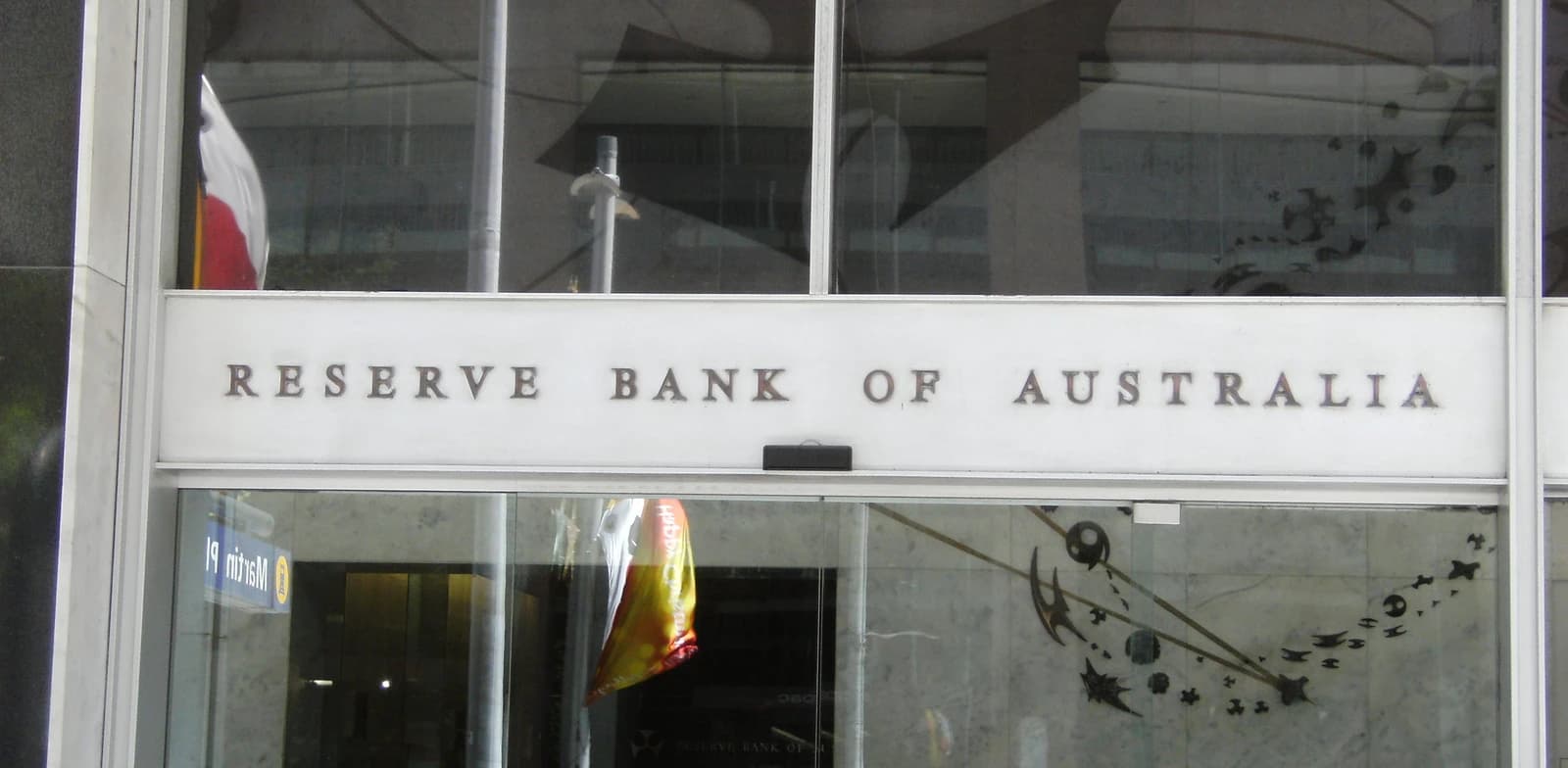
Australia’s central bank is still keeping the door open to another rate hike because inflation remains too sticky to ignore, and that matters more for investors than the latest wobble in the jobs market.
The Reserve Bank of Australia’s willingness to consider tightening in August is a clear reminder that inflation, not unemployment, is still doing the heavy lifting in the policy debate. Even after the unemployment rate unexpectedly rose to 4.5% in July, the RBA is signaling that stubborn price pressures and higher fuel costs could force it to act later this year if inflation risks intensify.
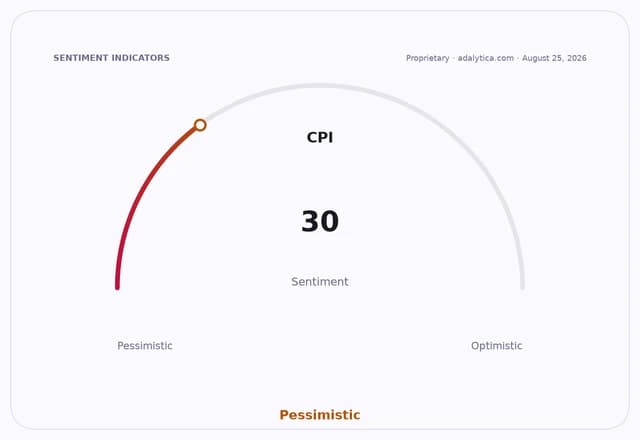
That is the kind of policy tension markets care about. Central banks usually ease when growth weakens and labor data softens, but the RBA appears reluctant to declare victory over inflation too early. With the CPI forecast for August still pointing to a 0.35% monthly rise, price pressures are not disappearing fast enough to give policymakers comfort. The message is simple: if inflation stays elevated, rate cuts move further away and a hike stays on the table.
For investors, that is important because Australian rates feed directly into the cost of capital, mortgage payments and the valuation of domestic equities. Higher-for-longer borrowing costs tend to pinch consumer spending, pressure interest-rate-sensitive sectors and keep a lid on multiple expansion. They also support the Australian dollar, which has remained resilient even as the labor market softens, because markets often price in tighter policy before the data fully turns.
The clearest beneficiaries of that backdrop are cash-rich companies and exporters that can live with tighter domestic conditions. The losers are households carrying variable-rate debt, retailers dependent on discretionary spending and rate-sensitive assets that have already had a long run. Australia’s biggest listed companies can generally absorb more policy noise than smaller domestic names, but the broader equity market still has to live with the possibility of one more squeeze.
That is why this RBA story matters beyond one meeting. It says Australia may not be done with inflation pain yet, even as growth cools. For long-term investors, the right response is not to guess the next move in rates, but to stay diversified, focus on businesses with pricing power and durable cash flow, and be prepared for volatility to linger a little longer than bulls would like.
| Entity | Gains | Losses |
|---|---|---|
| Australian dollar | ▲Support from tighter policy | ▼Less if inflation eases quickly |
| Banks and lenders | ▲Higher net interest income potential | ▼Credit stress if borrowers strain |
| Consumers with debt | ▲— | ▼Higher mortgage and living costs |
| Exporters and cash-rich firms | ▲Relative resilience | ▼— |