Iran’s reported effort to tighten its grip on the other side of the Red Sea is more than a regional headline for shipping investors: it is another reminder that the Middle East’s maritime choke points are becoming a lasting source of pricing power for oil tanker owners.
Red Sea Risk Supports Tanker Owners

For years, investors treated the Red Sea and the Strait of Hormuz as geopolitical risks that could flare and fade. That assumption looks increasingly outdated. The latest warnings point to a tougher, more persistent reality in which Iran’s reach across the region can disrupt vessel routes, lift insurance costs and keep charter rates elevated for longer than many expected. In shipping, those are the ingredients for stronger cash flow.
Sentiment IndicatorsⓘProprietary · adalytica.com · July 15, 2026
This is a snapshot — live sentiment, awareness and momentum for 130+ markets update continuously in the dashboard.Open AlphaPulse
That matters economically because tanker supply is relatively fixed in the short term. When rerouting, security concerns and naval escorts slow the system down, the world needs more ships to move the same barrels. That boosts tonne-miles — the distance oil has to travel — and tends to tighten the market for available vessels. It is one reason operators with exposure to crude and product transport can see earnings jump even when oil itself is not rallying sharply.
The market is already signaling that investors are paying attention. International Seaways, one of the large publicly traded tanker owners, has been trading well above its long-term trend and still sits far above its 200-day moving average, reflecting how strongly the market has priced in prolonged disruption. Diamond S-style volatility has also been replaced by a more constructive setup for owners with modern fleets, especially those able to capture spot market spikes when routes are rerouted around danger zones.
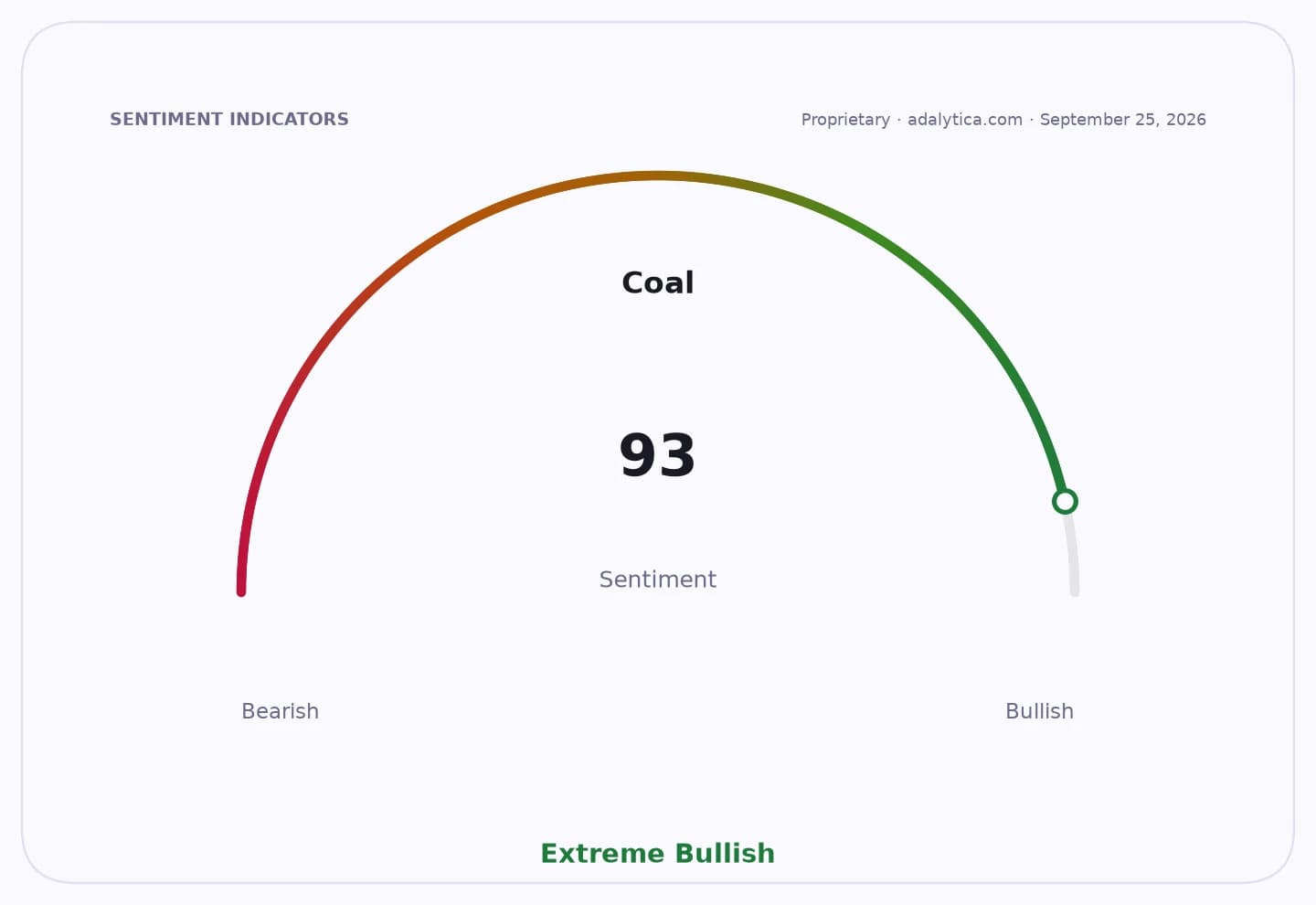
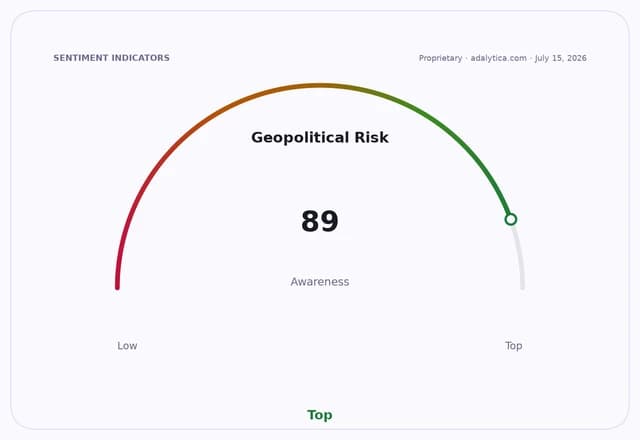
The broader oil complex is not showing panic, but it is showing caution. Adalytica’s oil trade signals point to fear rather than exuberance, which tells you traders still see geopolitical risk as an active overhang rather than a resolved problem. At the same time, global stability sentiment has collapsed into extreme fear, a sign that the market is assigning a real probability to wider disruption even if physical supply has not yet been meaningfully cut off.
For long-term investors, the key point is simple: geopolitical stress in the Red Sea and around Hormuz is no longer just a headline risk; it is part of the operating environment for shipping companies and energy markets. That makes select tanker operators attractive on a multi-year view, but not because conflict is good news — because scarcity, route inefficiency and higher insurance costs can support returns on capital for firms with the right assets.
The main risk is obvious. If diplomacy suddenly improves, freight rates can cool fast, and shipping stocks can give back gains just as quickly as they made them. But if tensions remain elevated, owners with exposure to crude transport, including International Seaways and peers like Euronav, could continue to benefit from a market that needs more ships, not fewer, to do the same work.
For investors, this is a reminder that some of the best long-term opportunities come from businesses that profit when the world gets less efficient. Tanker stocks are worth watching, and for patient investors, they may deserve a place on the watchlist when geopolitical risk stays high.
| Entity | Gains | Losses |
|---|---|---|
| Tanker owners | ▲Higher charter rates | ▼ |
| Oil buyers | ▲ | ▼Higher transport costs |
| Shipping insurers | ▲Higher premiums | ▼Loss exposure |
| Iran-backed disruption | ▲Leverage over routes | ▼Fewer reliable corridors |