Reform UK funding probe expands over donations
British police are investigating whether Reform UK breached political funding rules just as the party’s ties to pro-Israel networks and an increasingly international hard-right ecosystem come under sharper scrutiny.
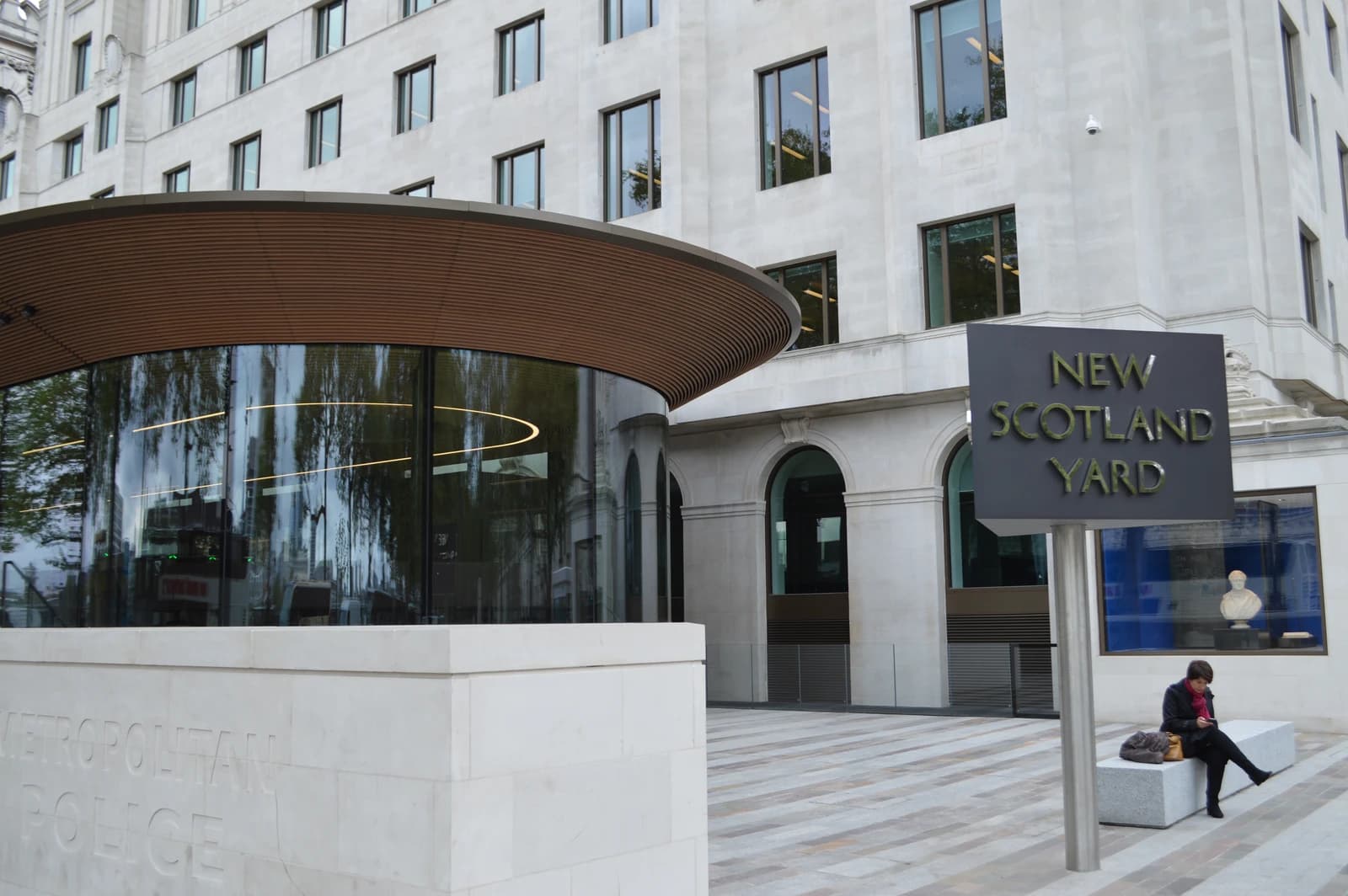
The Metropolitan Police said the new inquiry has been folded into an existing file on donations and money flows around Nigel Farage’s party, after an undercover operation surfaced discussions about channeling roughly £500,000 from a purported American backer through a British intermediary. The alleged donor turned out to be fictitious, but a separate U.S. company did pay more than £30,000 for polling that Reform benefited from, giving investigators a concrete payment trail to examine.
The case matters because Britain’s election-finance rules are designed to prevent foreign money from shaping domestic politics through cut-outs, consultancies or third-party services. If police conclude that rules were bypassed, the fallout would not only damage Reform’s claim to be the insurgent anti-establishment party in British politics; it would also intensify pressure on the wider right-wing donor ecosystem that has helped sustain nationalist parties across Europe.
That ecosystem is not limited to cash. Reform Friends of Israel has already paid for trips and accommodation for senior party figures in Israel, underscoring how political support, access and travel can carry as much strategic value as formal donations. The broader pattern extends well beyond Britain: the Dutch PVV has taken money from U.S. conservative groups including the David Horowitz Freedom Center; Elon Musk and other MAGA figures have boosted Germany’s AfD; Marine Le Pen’s National Rally, Spain’s Vox, Portugal’s Chega, Italy’s Lega and Georgia Meloni’s Fratelli d’Italia have all cultivated varying degrees of pro-Israel positioning and transatlantic backing.
For investors, the issue is less about immediate market pricing than about political risk and policy direction. Parties in this network are typically united by tougher migration policy, stronger border controls and a more nationalist approach to trade, regulation and foreign policy. In the UK, that can matter for sterling, gilts and sectors exposed to labor supply, public spending and immigration rules if Reform’s influence grows. It also raises questions for companies and asset managers trying to gauge whether Europe’s rightward shift will harden into more fragmented coalition politics or translate into policy change.
There is a second market angle: the controversy arrives while global stability sentiment, as tracked by Adalytica’s GEORISK gauge, has slipped into “Fear,” reflecting a broader rise in political and geopolitical uncertainty. That does not by itself move currencies or equities, but it reinforces the view that investors are entering a period when domestic financing scandals, cross-border ideological networks and election campaigns can quickly spill into asset prices.
The immediate test will be whether the police inquiry uncovers any prohibited foreign influence or whether it stops at the edges of aggressive but technically lawful support. Either way, the episode adds to a growing picture of a European far right that is no longer operating solely within national borders, but is increasingly financed, amplified and legitimized through American conservative money and pro-Israel political alliances.
| Entity | Gains | Losses |
|---|---|---|
| Reform UK allies | ▲fundraising reach | ▼scrutiny from police |
| Pro-Israel right-wing network | ▲political influence | ▼reputational risk |
| Nigel Farage’s party | ▲donor access | ▼credibility on foreign money |
| UK voters and rivals | ▲transparency push | ▼political noise |