Fast Coin Lending’s penalty for unfair debt collection practices and excessive rates is another warning that regulators are tightening the screws on consumer credit businesses that depend on high-cost borrowing and aggressive collections.
Regulatory Pressure Weighs on Consumer Credit
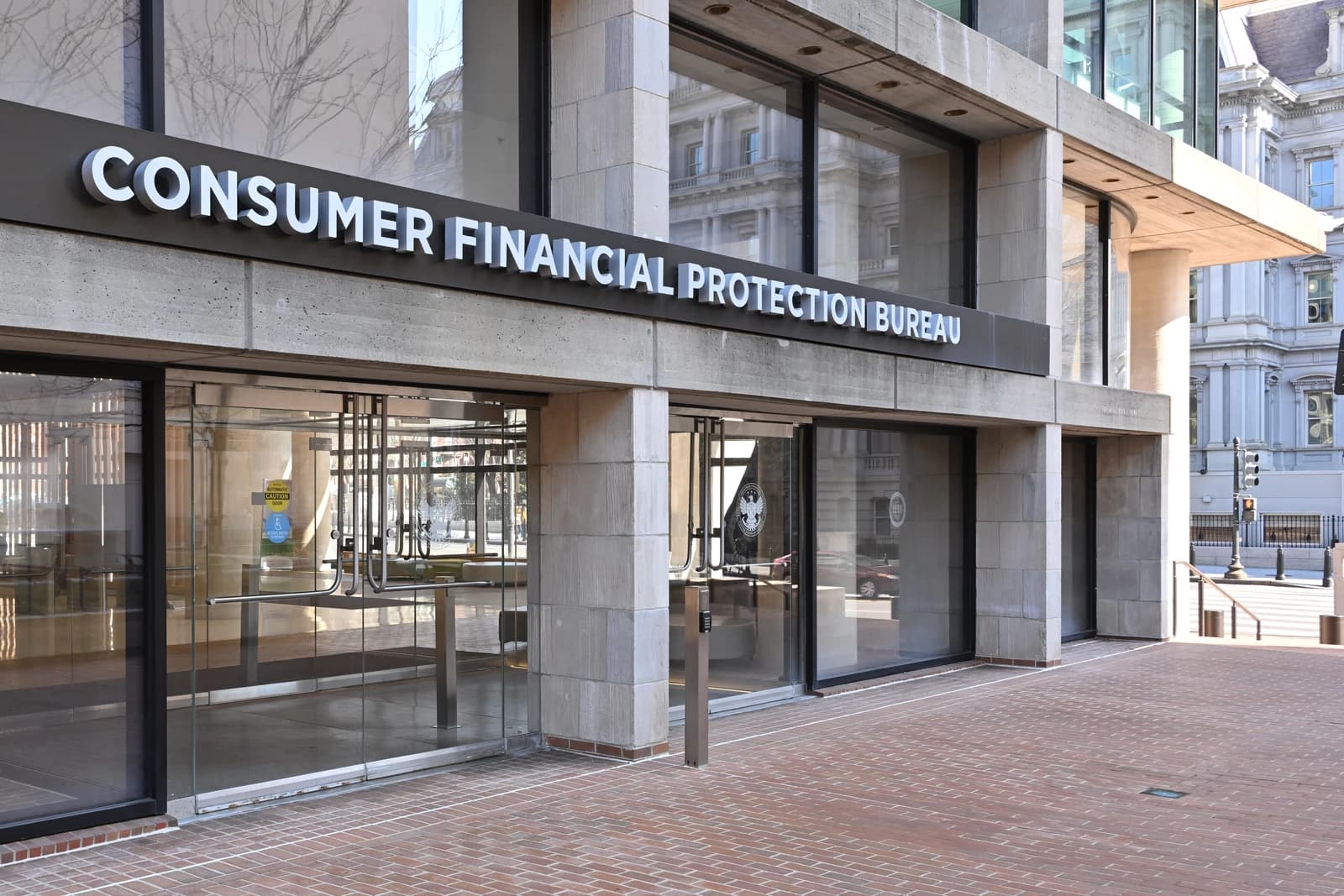
The case matters economically because it goes to the core of the small-dollar lending model: pricing risk at a level that can preserve margins without crossing the line into abusive practices. When regulators challenge collection tactics or deem rates excessive, they can hit revenue, raise compliance costs and force changes to underwriting and servicing that weaken returns. For a sector already sensitive to funding costs and borrower stress, the enforcement action risks squeezing profitability just as credit quality across household lending remains under pressure.
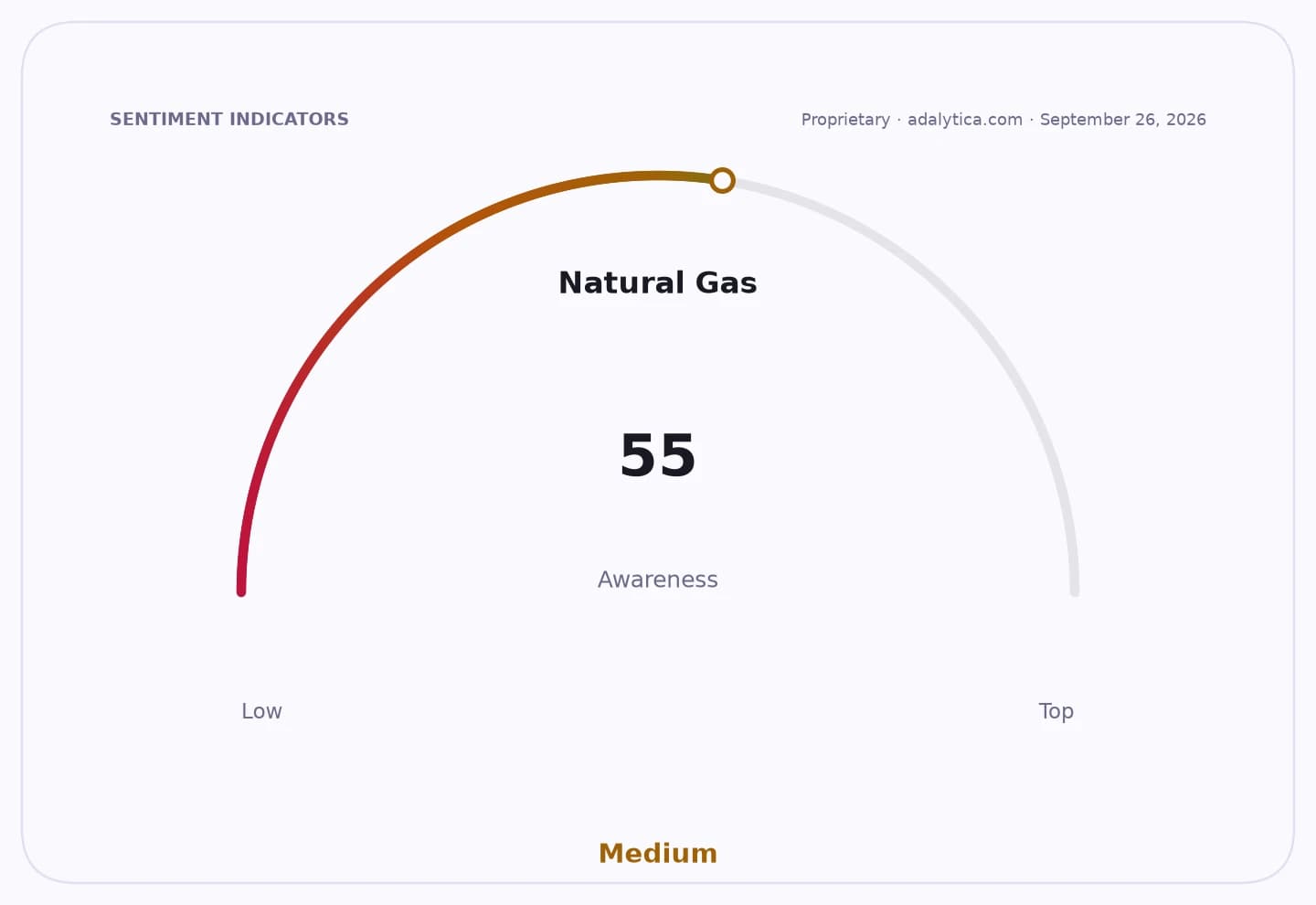
Sentiment IndicatorsⓘProprietary · adalytica.com · July 16, 2026
This is a snapshot — live sentiment, awareness and momentum for 130+ markets update continuously in the dashboard.Open AlphaPulse
That dynamic is not isolated. Household-debt stress remains elevated, according to Adalytica’s household debt stress sentiment gauge, while credit-card usage sentiment is in fear territory, suggesting consumers are still under strain even as broader equity sentiment has improved. In that environment, lenders that rely on fee income, penalty charges or short-duration loans face a narrower margin for error. Regulators are likely to keep scrutinizing whether collections and pricing are aligned with consumer-protection rules rather than simply with lender economics.
The market implication is straightforward: the penalty reinforces a valuation discount for lenders exposed to regulatory, litigation and reputational risk. Publicly traded consumer-finance names such as SoFi, Upstart and Ally have already shown how sensitive shares can be to changes in funding conditions, credit performance and policy scrutiny. Upstart and SoFi both flag interest-rate risk in their filings, underscoring how rising borrowing costs can weaken demand or pressure securitization economics even before any enforcement action lands.
Technically, shares of SoFi and Upstart have also been volatile, reflecting that investors are still trying to price the balance between growth and credit risk. SoFi’s stock, for example, has traded below its 200-day moving average in recent sessions, while Upstart has seen its own rebound lose momentum, with the 50-day moving average and RSI readings pointing to a market that is no longer in a clean uptrend. That does not make the sector uninvestable, but it does mean regulatory headlines can have an outsized effect on multiples.
The bull case is that enforcement against one lender can clear out weaker practices and ultimately improve industry discipline, benefiting firms with stronger compliance systems and lower-cost funding. The bear case is that regulators broaden the campaign, forcing lenders to cut yields, tighten credit and absorb higher servicing costs, which would pressure growth and returns.
For investors, the key question is not whether one lender was fined, but whether the action marks another step toward a more hostile operating environment for high-cost consumer credit. If it does, the winners will be lenders with diversified funding, cleaner compliance records and less dependence on penalty-driven economics; the losers will be firms that still rely on aggressive collections to protect margins.
| Entity | Gains | Losses |
|---|---|---|
| Regulated lenders with stronger compliance | ▲Lower reputational risk | ▼Less room to charge punitive fees |
| Fast Coin Lending | ▲None | ▼Fine and tighter oversight |
| Borrowers facing collections | ▲Better consumer protection | ▼Fewer credit options |
| Consumer finance peers | ▲Competitive advantage if compliant | ▼Higher compliance and legal costs |